
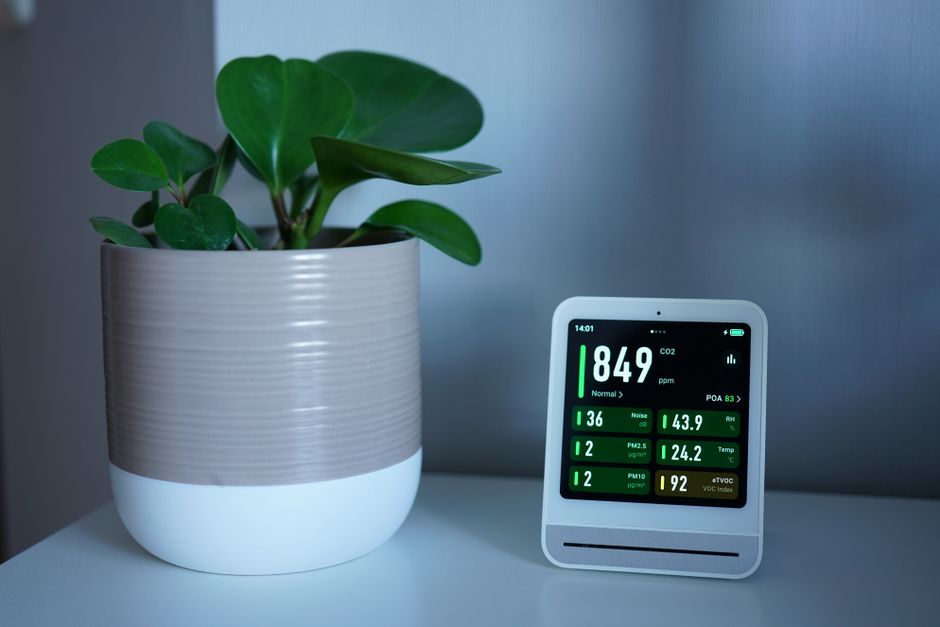
Smoke in the sky, a scratchy throat, and a number on the news that keeps climbing. The Air Quality Index, or AQI, is the tool that turns invisible pollution into a single number you can act on. Generally, AQI values above 100 are considered unhealthy for sensitive groups, values above 150 are unhealthy for everyone, and values above 300 are hazardous. The higher the number, the greater the health risk.
What Is Dangerous Air Quality AQI Levels Explained
The AQI is a scale that runs from 0 to 500. It was designed by the U.S. Environmental Protection Agency to translate levels of major air pollutants into one easy-to-read number. The higher the number, the more polluted the air and the greater the health concern.
The index tracks five main pollutants regulated under the Clean Air Act: ground-level ozone, particle pollution (also called particulate matter), carbon monoxide, sulfur dioxide, and nitrogen dioxide. For each pollutant, the EPA sets a breakpoint. The AQI reports whichever pollutant is highest at that moment. That is why the number can jump when wildfire smoke moves in — particle pollution spikes even if everything else stays steady.
The colors matter as much as the numbers. Green means good air. Yellow means moderate. Orange means unhealthy for sensitive groups. Red means unhealthy for everyone. Purple is very unhealthy. Maroon is hazardous.
What Do the AQI Numbers and Colors Actually Mean?
Each color band corresponds to a specific range and a specific level of concern. The table below reflects the EPA’s official categories.
| AQI Range | Color | Level of Concern |
|---|---|---|
| 0–50 | Green | Good |
| 51–100 | Yellow | Moderate |
| 101–150 | Orange | Unhealthy for Sensitive Groups |
| 151–200 | Red | Unhealthy |
| 201–300 | Purple | Very Unhealthy |
| 301–500 | Maroon | Hazardous |
At the green level, air quality poses little or no risk. Yellow is acceptable for most people, though a small number of unusually sensitive individuals may notice mild symptoms. Orange is where the advice changes: people with heart or lung conditions, older adults, children, and pregnant women should limit long or intense outdoor exertion. Red extends that advice to everyone. Purple and maroon are health alerts — everyone should avoid outdoor exertion, and sensitive groups should remain indoors.
Who Is Most at Risk From Poor Air Quality?
Some people react to polluted air far sooner than others. The EPA identifies several groups as sensitive, meaning they may experience health effects at lower AQI levels than the general public.
- People with asthma, COPD, or other chronic lung diseases
- People with heart disease or high blood pressure
- Older adults, whose lungs and hearts are more vulnerable
- Children and teenagers, whose lungs are still developing and who breathe more air per pound of body weight
- Pregnant women
- People who work or exercise outdoors regularly
For these groups, the orange category (101–150) is not just a caution — it is a signal to reduce outdoor activity. A person with asthma might feel chest tightness or shortness of breath at an AQI of 120, while a healthy adult may notice nothing at all.
One detail that surprises many people: particle pollution is linked to heart problems, not just lung problems. Fine particles can travel deep into the lungs and even into the bloodstream, triggering inflammation that affects the cardiovascular system. That is why people with heart disease are considered sensitive to air pollution, not only those with breathing conditions.
How Does Air Pollution Affect Your Body?
When you breathe polluted air, tiny particles and gases enter your airways. The smallest particles — those under 2.5 micrometers in diameter, known as PM2.5 — are the most concerning. They are small enough to bypass the body’s natural defenses in the nose and throat and reach the deepest parts of the lungs.
Once there, they trigger inflammation. Short-term exposure can cause irritation of the eyes, nose, and throat, coughing, wheezing, and shortness of breath. It can also aggravate asthma and increase the risk of heart attacks and strokes in vulnerable people.
Long-term exposure to elevated particle pollution is associated with more serious outcomes. Research has linked chronic exposure to reduced lung function, worsening of chronic lung disease, and increased risk of cardiovascular disease. The evidence for these long-term associations is strong and comes from decades of population studies.
Ozone, another key pollutant, irritates the airways differently. It forms when sunlight reacts with pollutants from cars, factories, and other sources, which is why ozone levels tend to be highest on hot, sunny afternoons. Ozone can cause chest pain, coughing, and throat irritation, and it can make asthma symptoms worse.
When Should You Stay Indoors or Limit Outdoor Activity?
The short answer: pay attention to the AQI category and your own sensitivity. For healthy adults, an AQI up to 100 generally means it is fine to be active outside. At 101–150, sensitive groups should reduce prolonged or heavy outdoor exertion. At 151–200, everyone should reduce it, and sensitive groups should move activities indoors or reschedule.
At 201 and above, the guidance is to avoid outdoor exertion entirely. Sensitive groups should stay indoors and keep activity levels low. At the hazardous level (301–500), everyone should remain indoors and keep windows closed.
These are the EPA’s activity guidelines, and they are widely used by schools, sports leagues, and public health departments. They are not a diagnosis or a treatment plan — they are a framework for reducing exposure.
Practical steps that public health agencies recommend during poor air quality episodes include:
- Check the current AQI for your area before planning outdoor activities
- Keep windows and doors closed when outdoor air is unhealthy
- Use a high-efficiency particulate air (HEPA) filter indoors if available
- Avoid burning candles, using gas stoves without ventilation, or vacuuming without a HEPA filter, which can add particles to indoor air
- If you must go outside, a well-fitted N95 or KN95 respirator can reduce your exposure to particles — but it does not filter out gases like ozone
It is worth noting that cloth masks and surgical masks are not designed to filter fine particles and provide limited protection against PM2.5.
Does the AQI Tell You Everything About Air Quality?
No. The AQI is a useful summary, but it has limits. It reports the single worst pollutant at a given time, which means it can miss the combined effects of multiple pollutants. It also does not account for individual sensitivity — two people in the same city at the same AQI can have very different reactions.
The AQI also does not measure every possible air contaminant. It focuses on the five pollutants regulated under the Clean Air Act. Other substances, such as certain volatile organic compounds or allergens, are not part of the index.
Another limitation: AQI monitors are placed at specific locations. The number you see may come from a monitor miles away, and local conditions can vary. Wildfire smoke, for example, can create sharp differences between neighborhoods. If you smell smoke or see haze, trust your senses alongside the number.
Some research suggests that even at AQI levels considered “moderate” (51–100), certain sensitive individuals may experience effects. The evidence here is not uniform, but it reinforces the idea that the AQI is a guide, not a guarantee.
How Can You Check the AQI in Your Area?
The most direct source is AirNow, the EPA’s public air quality reporting system. It provides current AQI values by zip code or city, along with forecasts and health recommendations. Many weather apps and local news outlets also report AQI data, often pulling from the same monitoring network.
If you live in an area prone to wildfires, dust storms, or heavy industry, it helps to check the AQI as part of your daily routine — especially before exercising outdoors or sending children to play outside.
For people with asthma or heart conditions, some clinicians recommend keeping a symptom diary alongside AQI readings. This can help identify personal thresholds — the AQI level at which you start to notice symptoms. No clinical guidelines set a universal “safe” threshold for every individual, because sensitivity varies.
Frequently Asked Questions
What AQI level is considered dangerous?
An AQI above 150 is considered unhealthy for everyone, and above 300 is hazardous. Sensitive groups may be affected at levels above 100.
Is AQI 100 safe for exercise?
For most healthy adults, an AQI up to 100 is generally considered acceptable for outdoor exercise. People with heart or lung conditions may want to be more cautious even at moderate levels.
How long does it take for poor air quality to affect you?
Some people notice symptoms like throat irritation or coughing within hours of exposure. The timeline varies widely depending on the pollutant, the concentration, and individual sensitivity.
Can an N95 mask protect you from wildfire smoke?
A well-fitted N95 or KN95 respirator can reduce exposure to fine particles in smoke. It does not filter out gases such as ozone or carbon monoxide.
