
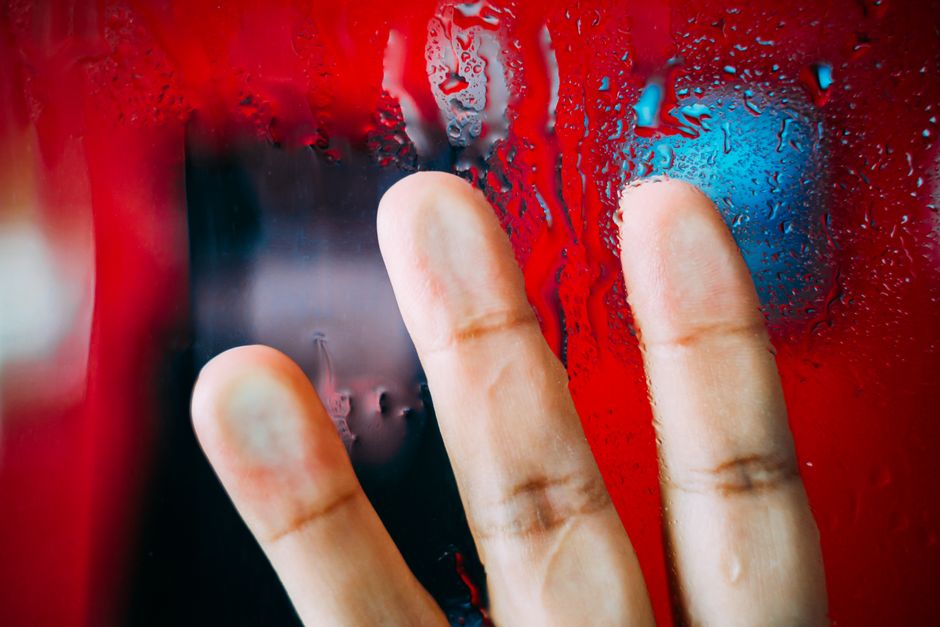
Damp skin is skin that feels slightly moist to the touch but is not dripping or soaked. It sits between dry skin, which feels rough or tight, and wet skin, which is visibly coated with liquid. The difference matters because skin that stays damp for long periods behaves very differently from skin that is dry or briefly wet — and that difference has real consequences for comfort, infection risk, and healing.
Most people use “damp,” “wet,” and “dry” casually. In skin care and wound care, these words describe specific conditions with measurable effects. Understanding what each one means — and where the boundaries sit — helps you make sense of everything from diaper rash to wound dressings to why your fingers wrinkle in the bath.
What Is Damp Skin and How Is It Different From Wet or Dry Skin?
Damp skin has a small amount of moisture on its surface. The skin is not shiny or glistening, and pressing a finger to it leaves little or no visible wetness. Wet skin, by contrast, has free liquid sitting on the surface — water, sweat, urine, or wound fluid. Dry skin lacks sufficient moisture in the outer layer and often feels tight, rough, or flaky.
The outer layer of skin, called the stratum corneum, is built to hold a precise amount of water. When it is working normally, it contains water while a mix of oils and proteins keeps that water from escaping. This is sometimes described as the skin barrier. Damp skin in this normal state is simply well-hydrated skin.
The problem is not dampness itself. The problem is maceration — prolonged exposure to moisture that softens and breaks down the outer skin layer. When skin stays wet or damp for hours, the cells in the stratum corneum absorb excess water and swell. The barrier weakens. Friction increases. Microbes find it easier to get in.
This is why the distinction between a brief splash of water and hours of trapped moisture is not just semantic. One is harmless. The other damages skin.
What Happens to Skin When It Stays Wet or Damp Too Long?
Prolonged moisture turns skin white, soft, and fragile. This is maceration, and it is easy to recognize. The skin looks pale or grayish-white, feels spongy, and may tear with minimal rubbing. Once maceration sets in, the barrier that normally keeps irritants out and water in stops working properly.
Several things happen at once:
- The outer skin layer absorbs water and swells, weakening its structure.
- Friction between skin surfaces rises, so rubbing causes more damage than usual.
- The skin’s naturally acidic surface becomes less acidic, which can allow certain bacteria and fungi to grow more easily.
- Irritants — including urine, feces, sweat, and soap — penetrate more deeply than they would through intact skin.
This combination explains why conditions like diaper rash, intertrigo (rash in skin folds), and moisture-associated skin damage are so common in people who cannot easily keep skin dry. It is not one factor acting alone. It is moisture plus friction plus irritation plus microbes working together.
A non-obvious point: the wrinkling you see on fingers and toes after a long bath is not simply water swelling the skin. Research indicates it is an active nervous system response — blood vessels constrict beneath the skin, pulling the surface down into ridges. People with certain nerve injuries do not develop this wrinkling. That is a different process from the damaging maceration that happens when skin stays wet for hours in a diaper or a wound dressing.
How Do You Tell Damp, Wet, and Dry Skin Apart?
Touch is the simplest test, though the three states sit on a spectrum rather than in neat boxes. The table below describes what each state typically looks and feels like.
| State | How it looks | How it feels | Main concern |
|---|---|---|---|
| Dry | Flaky, dull, may show fine lines or cracks | Tight, rough, sometimes itchy | Barrier damage from lack of water and oils |
| Damp | Normal to slightly dewy, no visible liquid | Smooth, supple, slightly cool | None, if brief — damage if prolonged |
| Wet | Shiny, glistening, liquid visible on the surface | Slippery, drips or smears when touched | Maceration if it lasts |
Healthy skin is usually damp in the sense of being hydrated, not wet. The goal in most skin care is not to eliminate moisture but to keep the right amount in the right place.





Why Does Damp Skin Cause Problems in Some Situations but Not Others?
Duration and location decide whether dampness helps or harms. A light mist of moisture on your face in humid air is fine. The same moisture trapped under a diaper, a cast, a breast fold, or a wound dressing for hours is not.
Three factors raise the risk:
- Occlusion. Anything that traps moisture against the skin — plastic, tight clothing, bandages, medical devices — prevents evaporation.
- Friction. Skin rubbing against skin or fabric while damp damages the softened surface faster.
- Irritants and microbes. Urine, stool, sweat, and wound fluid all become more harmful when they sit on macerated skin.
This is why clinicians who manage wounds talk about a “moist wound environment” as helpful in one context and “moisture damage” as harmful in another. A wound bed that is kept appropriately moist heals better than one left to dry out. But the skin around that wound should be kept dry, because macerated skin at the edges breaks down and delays healing. Same word — moisture — opposite effects depending on where it sits.
How Do You Keep Skin From Staying Damp for Too Long?
Keeping skin clean and dry is the core strategy, but “dry” here means free of trapped moisture, not stripped of all hydration. The approach depends on the situation.
For everyday skin:
- Pat skin dry after washing rather than rubbing, especially in skin folds.
- Let skin air-dry briefly before dressing if it feels damp.
- Choose breathable fabrics and loose clothing in areas prone to sweating.
- Use a mild moisturizer after bathing to support the barrier without leaving skin wet.
For skin folds, incontinence, or wound care, the general clinical approach is to clean gently, dry thoroughly, and use a barrier product — such as a zinc oxide ointment or a skin sealant — to protect skin from moisture and irritants. Some clinicians recommend specific barrier products for specific situations, and guidance varies. If skin is already broken down, red, or painful, that is a medical issue, not a self-care one.
One caution: over-drying is also a problem. Harsh soaps, frequent hot showers, and alcohol-based products strip the oils that hold water in the skin. The result is dry, cracked skin that is just as vulnerable to irritation and infection as macerated skin. The goal is balance, not maximum dryness.
When Should Damp or Wet Skin Be a Medical Concern?
Skin that stays wet or damp long enough to soften, whiten, or break down needs medical attention. Watch for these signs:
- Skin that looks white, gray, or spongy and does not return to normal after drying.
- Redness, warmth, swelling, or pain in skin folds.
- Rash that spreads, blisters, or develops a sharp border.
- Foul odor, pus, or weeping from an area that was previously just damp.
- Skin breakdown around a wound, cast, or medical device.
These signs can point to infection, and some skin infections can become serious quickly. A clinician can tell the difference between simple irritation and something that needs treatment. This is not a situation to manage with home remedies alone.
People with diabetes, poor circulation, limited mobility, or weakened immune systems face higher risk from skin breakdown and should treat any persistent moisture-related skin change as a reason to seek care.
Frequently Asked Questions
What does damp skin mean?
Damp skin means skin that feels slightly moist but has no visible liquid on its surface. It is the normal, healthy state of hydrated skin when it does not last too long.
Is damp skin the same as wet skin?
No. Wet skin has free liquid sitting on the surface, while damp skin does not. The difference matters because wet skin left in contact with moisture for long periods can break down, a process called maceration.
Can damp skin cause a rash?
Yes, when moisture stays trapped against the skin for hours. Prolonged dampness weakens the skin barrier and, combined with friction and irritants, can lead to rashes in skin folds and other moisture-related skin damage.
How do I keep skin folds from staying damp?
Clean gently, pat dry rather than rub, and let the area air-dry before dressing. Barrier ointments or skin sealants are commonly used to protect folds from moisture and irritants.
