
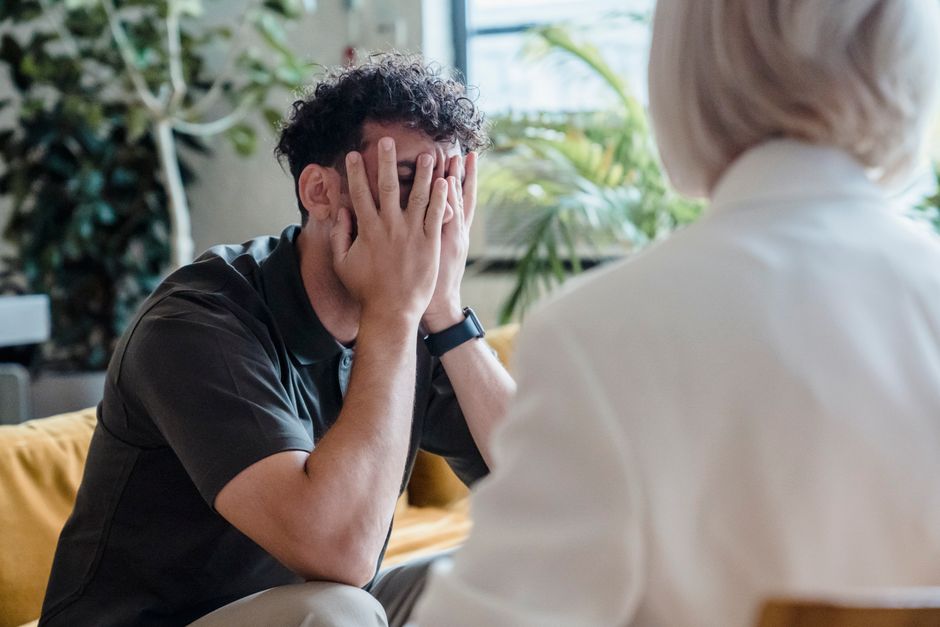
Crippling anxiety is anxiety that stops you from living your normal life. It is not just feeling nervous before a big event. It is a level of fear and worry so intense that it interferes with work, school, relationships, and daily tasks like leaving the house. Most people don’t know that crippling anxiety is rarely one single condition; it is usually a severe form of an underlying anxiety disorder that has crossed a line from distressing to disabling.
How Does Crippling Anxiety Differ from Normal Anxiety?
Anxiety is a normal human response to stress. It sharpens your focus before a presentation or keeps you alert in a dangerous situation. That kind of anxiety passes when the situation ends. Crippling anxiety does not pass. It lingers for hours, days, or weeks and often has no clear trigger.
The key difference is function. Normal anxiety makes you prepare. Crippling anxiety makes you avoid. You might cancel plans, call in sick, or stop answering the phone. The fear becomes so loud that it overrides logic and reason. You know the fear is excessive, but you cannot stop it. This loss of control is what separates everyday worry from crippling anxiety.
Another difference is physical intensity. Normal anxiety might cause a racing heart or sweaty palms. Crippling anxiety can cause chest pain, shortness of breath, dizziness, nausea, and a feeling of impending doom. These physical symptoms can be so severe that people mistake them for heart attacks or other medical emergencies.
What Does Crippling Anxiety Feel Like?
People often describe crippling anxiety as a constant state of being on edge. It feels like waiting for bad news that never comes. The mind races with worst-case scenarios, and the body stays in a state of high alert. Sleep is often broken or impossible. Concentration becomes difficult because the brain is busy scanning for threats.
Panic attacks are common with crippling anxiety. A panic attack is a sudden surge of intense fear that peaks within minutes. Symptoms include a pounding heart, sweating, trembling, shortness of breath, chest pain, and a fear of dying or losing control. Panic attacks can happen out of nowhere, which makes people afraid of having another one. That fear of fear itself can become the main problem.
Crippling anxiety also affects how you see yourself and the world. You may feel detached from reality or from your own body. You may avoid places where you had a panic attack before. Over time, your world shrinks. Things you used to enjoy now feel impossible. This shrinking of life is what makes the anxiety crippling, not the anxiety itself.
What Causes Crippling Anxiety to Develop?
Crippling anxiety usually develops from a mix of biology, psychology, and life experience. Genetics play a role. If a close family member has an anxiety disorder, your risk is higher. Brain chemistry matters too. The amygdala, the part of the brain that processes fear, can be overactive in people with anxiety disorders. This means your brain sounds the alarm more easily and more often than it should.
Life experiences are often the trigger. Trauma, chronic stress, major life changes, and prolonged uncertainty can push an already sensitive system over the edge. Some people develop crippling anxiety after a single traumatic event. Others develop it gradually after months or years of stress without relief. Health problems, financial strain, and relationship conflict are common contributors.
Personality also plays a part. People who are naturally perfectionistic, highly self-critical, or prone to negative thinking are more vulnerable. So are people who were raised in unpredictable or overprotective environments. None of this is your fault. These are risk factors, not character flaws. Understanding the causes helps because it shifts the question from “What is wrong with me?” to “What is driving this response?”





When Does Anxiety Become a Medical Condition?
Anxiety becomes a medical condition when it meets specific criteria. The most common diagnosis is generalized anxiety disorder. The key features are excessive worry most days for at least six months, difficulty controlling the worry, and at least three physical or mental symptoms like restlessness, fatigue, trouble concentrating, irritability, muscle tension, or sleep problems. The anxiety must also cause significant distress or impair daily functioning.
Panic disorder is another diagnosis. It involves repeated, unexpected panic attacks and persistent worry about having more attacks. Agoraphobia is a related condition where people avoid situations where escape might be difficult or help might not be available. Social anxiety disorder involves intense fear of being judged or embarrassed in social situations.
These are real medical conditions, not personal weaknesses. They are among the most common mental health conditions in the United States. Millions of adults experience an anxiety disorder in any given year. Many never seek help because they believe they should just “get over it.” That belief is wrong, and it keeps people suffering longer than necessary.
What Actually Helps Treat Crippling Anxiety?
Crippling anxiety is treatable. The most effective approach combines therapy and, in many cases, medication. Cognitive behavioral therapy, or CBT, is the most researched form of talk therapy for anxiety. It helps you identify the thoughts that drive your fear and test whether those thoughts are accurate. Over time, you learn to respond to anxiety differently rather than avoiding what scares you.
Exposure therapy is a specific type of CBT. It involves gradually and safely facing the situations you fear. This is not about being thrown into your worst nightmare. It is a structured process that starts small and builds up. The goal is to teach your brain that the feared outcome does not happen. This can be deeply uncomfortable in the short term, but it is one of the most effective treatments for anxiety disorders.
Medication can also help. Selective serotonin reuptake inhibitors, or SSRIs, are commonly prescribed. They are not fast-acting. They usually take several weeks to work. They do not eliminate anxiety completely, but they can lower the volume enough for therapy to be effective. Benzodiazepines are sometimes used for short-term relief, but they carry a risk of dependence and are not recommended as a long-term solution. Any medication decision should be made with a doctor or psychiatrist who knows your full history.
Can Lifestyle Changes Help Crippling Anxiety?
Lifestyle changes alone rarely cure crippling anxiety, but they can support treatment. Regular exercise has real evidence behind it. Physical activity burns off stress hormones and releases endorphins, which improve mood. Even a daily walk can make a difference. Sleep matters even more. Poor sleep worsens anxiety, and anxiety worsens sleep. Protecting your sleep schedule is one of the most practical things you can do.
Caffeine and alcohol deserve attention. Caffeine stimulates the nervous system and can trigger or worsen anxiety symptoms. If you notice your anxiety spikes after coffee, cutting back is worth trying. Alcohol may seem to relax you at first, but it disrupts sleep and can cause rebound anxiety the next day. Reducing or eliminating both can have a noticeable effect.
Mindfulness and breathing exercises are not magic cures, but they are useful tools. Slow, deep breathing activates the parasympathetic nervous system, which helps calm the body. Practicing this when you are calm makes it easier to use when you are not. These techniques are best viewed as coping skills, not treatments. They help you manage symptoms in the moment while therapy and medication address the underlying pattern.
When Should You Seek Professional Help?
If anxiety is interfering with your daily life, it is time to seek help. That includes trouble sleeping, missing work, avoiding social situations, or feeling like you are barely holding things together. You do not need to hit rock bottom to deserve care. The earlier you get help, the easier treatment tends to be.
Start with your primary care doctor. They can rule out medical conditions that mimic anxiety, like thyroid problems or heart rhythm issues. They can also refer you to a psychiatrist or therapist. If you are having thoughts of harming yourself, seek help immediately. Contact a crisis line, go to an emergency room, or call 988 in the United States. That is the Suicide and Crisis Lifeline, and it is available 24/7.
Crippling anxiety can make you feel isolated and hopeless. It can convince you that nothing will help. That is the anxiety talking, not the truth. Millions of people recover from severe anxiety and return to full lives. Recovery is rarely instant, but it is real. The first step is reaching out, and that is a step you can take today.
Frequently Asked Questions
Can crippling anxiety go away on its own?
It can improve on its own, but it rarely disappears completely without treatment. Professional help gives you the tools to manage it more effectively and reduces the risk of it returning.
How long does it take to recover from crippling anxiety?
Recovery timelines vary widely depending on the person and the treatment. Many people notice significant improvement within a few months of consistent therapy or medication, but full recovery often takes longer.
What is the fastest way to calm crippling anxiety?
Slow breathing, such as inhaling for four counts and exhaling for six counts, can help calm the body in the moment. It is a coping tool, not a cure, and should be followed by professional treatment for lasting relief.
Is crippling anxiety a disability?
Severe anxiety can qualify as a disability under the Americans with Disabilities Act if it substantially limits major life activities. This can provide legal protections and accommodations at work, but eligibility depends on your specific situation.
