
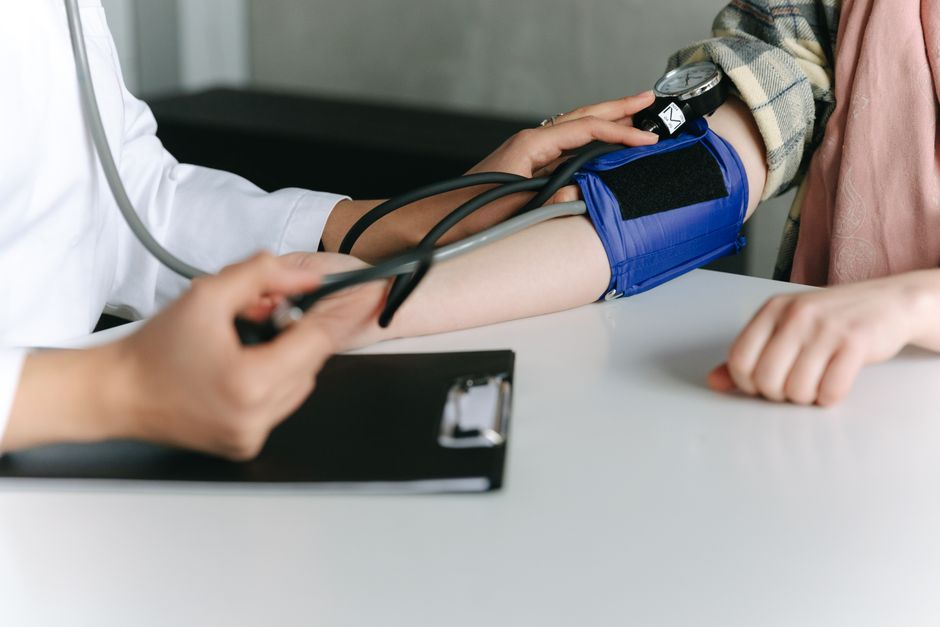
Blood pressure is considered low when the reading is below 90/60 mmHg. For many people, that number is normal and causes no problems at all. For others, it signals that the brain and organs may not be getting enough blood flow — and that is when symptoms appear.
Doctors call low blood pressure hypotension. The tricky part is that “low” is not one fixed number for everyone. A reading of 85/55 might be perfectly fine for a healthy 30-year-old athlete and a warning sign for an older adult on multiple medications. What matters is whether the number causes symptoms or reflects an underlying problem.
What Is Considered Low Blood Pressure?
The standard medical threshold for low blood pressure is below 90/60 mmHg. That means a systolic reading (the top number) under 90, or a diastolic reading (the bottom number) under 60.
Blood pressure is measured in millimeters of mercury, written as mmHg. A normal reading is generally below 120/80 mmHg. The range between 90/60 and 120/80 is considered healthy for most adults.
But the number alone does not tell the whole story. Some people naturally run low. Their bodies have adapted to it. They feel fine, function normally, and need no treatment. This is sometimes called constitutional hypotension.
The clinical definition of hypotension also includes a drop of at least 20 mmHg in systolic pressure or 10 mmHg in diastolic pressure when a person stands up from sitting or lying down. This is called orthostatic hypotension, and it matters because it can cause falls and fainting.
There is no single “dangerously low” number that applies to everyone. A blood pressure of 70/40 might be tolerated well by one person and cause organ damage in another. Symptoms and context guide the assessment more than the number alone.
What Are the Most Common Signs of Low Blood Pressure?
The most recognizable signs are dizziness and lightheadedness, especially when standing up quickly. These happen because blood pools in the legs and the brain briefly gets less blood flow than it needs.
Other common signs include:
- Fainting (syncope)
- Blurred or fading vision
- Fatigue and weakness
- Difficulty concentrating
- Nausea
- Cold, clammy, pale skin
- Rapid or shallow breathing
- Confusion, particularly in older adults
Not everyone with low blood pressure has symptoms. When symptoms do appear, they tend to be worse after standing for long periods, after meals, or in hot environments. Some people notice symptoms mainly in the morning.
Severe hypotension can cause shock. Signs include a weak, rapid pulse, extremely low urine output, and loss of consciousness. This is a medical emergency and requires immediate care.
What Causes Low Blood Pressure?
Causes fall into several broad categories. Some are temporary and harmless. Others reflect a serious medical condition.
Dehydration and blood loss
When the body loses more fluid than it takes in, blood volume drops. That lowers pressure. Vomiting, diarrhea, heavy sweating, fever, and not drinking enough water can all contribute. Significant blood loss from injury or internal bleeding has the same effect, but far more rapidly.
Medications
This is one of the most common causes in adults over 50. Drugs that lower blood pressure are prescribed for a reason, but sometimes they lower it too much. Categories include:
- Diuretics (water pills)
- Alpha blockers and beta blockers
- Calcium channel blockers
- ACE inhibitors and angiotensin receptor blockers
- Some antidepressants, including tricyclics and MAO inhibitors
- Parkinson’s disease medications
- Erectile dysfunction drugs, especially when combined with nitrates
Any medication change that brings on dizziness or fainting should be discussed with a doctor. Do not stop a prescribed medication on your own.
Heart problems
The heart must pump hard enough and fast enough to maintain pressure. Conditions that interfere include very slow heart rate (bradycardia), heart valve disease, heart attack, and heart failure. In these cases, low blood pressure reflects the heart’s reduced ability to circulate blood.
Endocrine disorders
Hormones help regulate blood pressure. Problems with the thyroid (underactive thyroid), adrenal glands (Addison’s disease), or low blood sugar can all lower it. Diabetes can damage the nerves that help blood vessels adjust when you stand, leading to orthostatic hypotension.
Nervous system conditions
Disorders that affect the autonomic nervous system — the part that controls automatic functions like heart rate and blood vessel tone — can cause chronic low blood pressure. Parkinson’s disease, multiple system atrophy, and diabetic neuropathy are examples.
Severe infection and allergic reaction
Septic shock and anaphylaxis both cause blood pressure to plummet. These are emergencies. In septic shock, infection triggers widespread inflammation that makes blood vessels dilate dangerously. In anaphylaxis, a severe allergic reaction does the same thing within minutes.
Nutritional deficiencies
Severe deficiencies in vitamin B12 and folate can cause anemia, which reduces the blood’s oxygen-carrying capacity and can contribute to low blood pressure. This is uncommon in people eating a varied diet but more likely in older adults with absorption problems or restricted diets.
Pregnancy
Blood pressure often drops during pregnancy because blood vessels dilate to support increased blood flow to the uterus. This is usually normal and resolves after delivery. However, very low pressure with symptoms should be evaluated, because it can affect blood flow to the placenta.

When Should You Worry About Low Blood Pressure?
Low blood pressure is only a concern when it causes symptoms or when a sudden drop signals a serious problem. A reading of 85/55 in someone who feels fine is usually not a medical issue.
Seek medical attention if low blood pressure comes with:
- Fainting or near-fainting
- Chest pain
- Shortness of breath
- Severe headache
- Vision changes that do not resolve
- Confusion or difficulty staying alert
- Weak, rapid pulse
- Cold, sweaty, pale skin
A sudden drop in blood pressure after starting a new medication, after surgery, or during an illness needs prompt evaluation. So does low blood pressure in someone who has heart disease, diabetes, or is over 65.
Falls are a major concern for older adults with orthostatic hypotension. Even a brief episode of dizziness can lead to a fracture or head injury. Research consistently shows that orthostatic hypotension is associated with an increased risk of falls in this population.
How Is Low Blood Pressure Diagnosed?
Diagnosis starts with repeated blood pressure measurements. A single low reading is rarely meaningful on its own. Doctors typically measure pressure while the person is lying down, sitting, and standing, with readings taken at each position.
Orthostatic hypotension is confirmed when systolic pressure drops at least 20 mmHg or diastolic drops at least 10 mmHg within three minutes of standing. Some clinicians also use a tilt-table test, which measures blood pressure and heart rate as the table slowly tilts the person upright.
Additional tests depend on what the doctor suspects. These may include:
- Blood tests to check for anemia, blood sugar problems, and hormone imbalances
- Electrocardiogram (ECG) to evaluate heart rhythm
- Echocardiogram to assess heart structure and function
- Holter monitor for continuous heart rhythm monitoring over 24 hours or longer
- Stress testing if heart disease is suspected
- Tilt-table testing for unexplained fainting
A medication review is one of the most important steps. Many cases of low blood pressure in adults are caused or worsened by prescription drugs, and adjusting the regimen can resolve the problem.
What Helps With Low Blood Pressure?
Treatment depends on the cause. If a medication is responsible, the doctor may adjust the dose or switch to a different drug. If dehydration is the cause, drinking more fluids and electrolytes may be enough.
For chronic low blood pressure without a reversible cause, some clinicians recommend:
- Drinking more water throughout the day
- Increasing salt intake, but only if a doctor approves — this is not safe for everyone, especially people with heart or kidney disease
- Wearing compression stockings to help blood return from the legs
- Standing up slowly and in stages
- Eating smaller, more frequent meals to reduce post-meal drops
- Avoiding prolonged standing and very hot environments
Some people benefit from elevating the head of the bed slightly, which can reduce nighttime blood pressure drops. Prescription medications exist for certain types of chronic hypotension, but they are used selectively and usually managed by a specialist.
What works for one person may not work for another. The evidence for lifestyle measures varies by cause. Compression stockings, for example, have reasonable evidence for orthostatic hypotension. The evidence for increased salt intake is less consistent and depends heavily on the individual’s health status.
How Does Low Blood Pressure Differ From High Blood Pressure?
High blood pressure (hypertension) is a reading of 130/80 mmHg or higher, according to current guidelines from major medical organizations. It usually has no symptoms and damages blood vessels over years.
Low blood pressure is below 90/60 mmHg. It often causes noticeable symptoms, but only when it is low enough to reduce blood flow to the brain and organs.
The two conditions are managed very differently. High blood pressure is treated with lifestyle changes and medication to bring numbers down. Low blood pressure is treated by finding and addressing the underlying cause.
One non-obvious point: some people have blood pressure that swings between high and low. This is common in older adults with autonomic dysfunction. It requires careful management because treatments for one problem can worsen the other.
Frequently Asked Questions
Is 90/60 a dangerous blood pressure?
No, 90/60 mmHg is not automatically dangerous. It is the threshold for low blood pressure, but many healthy people live at this level without any symptoms or problems.
What is the most common cause of low blood pressure?
Medications and dehydration are the most common causes in adults. Both can usually be addressed once identified.
Can low blood pressure cause a stroke?
Low blood pressure itself does not typically cause stroke, but a sudden severe drop can reduce blood flow to the brain and cause fainting or organ damage. This is different from the clot-based or bleeding strokes caused by high blood pressure and other factors.
When should I go to the emergency room for low blood pressure?
Go to the emergency room if low blood pressure comes with fainting, chest pain, shortness of breath, confusion, or a weak and rapid pulse. These signs suggest shock or another serious problem that needs immediate treatment.
