
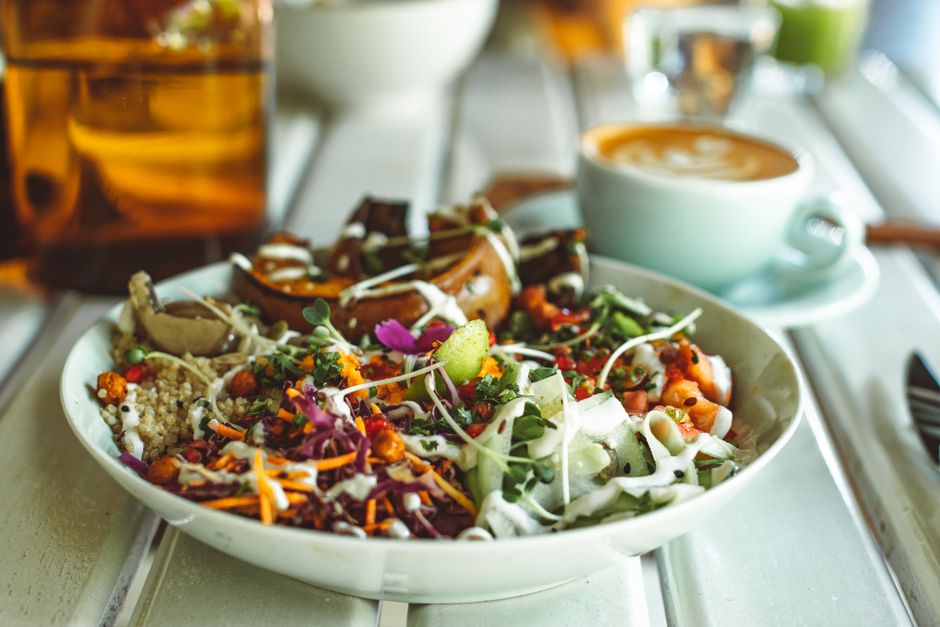
“Light food” is not a formal nutrition category. It is a practical term people use to describe meals that are easy to digest, modest in portion size, and low in heavy fats, strong spices, or large amounts of fiber. It matters most when your digestive system needs a break — during recovery from illness, before a medical procedure, or when rich meals have left you feeling sluggish.
The phrase gets used in three different ways. Sometimes it means low-calorie. Sometimes it means easy on the stomach. And sometimes it means small and simple. These are not the same thing, and mixing them up leads to confusion. A salad is low-calorie but can be hard on a sensitive gut. White rice is easy to digest but not a weight-loss food. Knowing which meaning applies to your situation is the first step.
What Is Considered Light Food And When It Matters?
Light food generally means food that is gentle on digestion and does not sit heavily in the stomach. That usually means low fat, mild flavor, small portions, and limited fiber or acid at any one meal. It matters when digestion is compromised or when the body is recovering.
There is no official definition from the FDA, USDA, or any major medical body. The term is descriptive, not regulatory. That is why you will see it used loosely on menus and in diet advice.
A useful way to think about it: light food is defined by what it leaves out more than what it includes. It tends to exclude fried foods, heavy creams, large cuts of fatty meat, very spicy dishes, and big raw vegetable portions. What remains is usually simple, cooked, and mild.
The concept matters in real situations. After a stomach bug, a bland diet gives the gut time to recover. Before surgery, light meals may be part of preparation. During a flare of acid reflux, lighter food can reduce symptoms. For people with certain digestive conditions, the difference between a light meal and a heavy one can be the difference between comfort and pain.
What Foods Are Usually Considered Light?
Most foods people call light share a few traits: they are low in fat, low in added spice, and easy to chew and break down. Cooking methods matter as much as the food itself. Boiled, steamed, poached, and baked foods are gentler than fried or heavily sauced versions.
Common examples include:
- Plain crackers, toast, and white rice
- Bananas and applesauce
- Clear broths and simple soups
- Boiled or baked chicken and fish
- Cooked eggs
- Steamed soft vegetables like carrots or squash
- Plain yogurt and low-fat dairy in modest amounts
This list overlaps with what clinicians sometimes call a bland diet. The items are not magic. They are simply low in fat, low in fiber, and mild in flavor, which means less work for the stomach and less stimulation of acid production.
One clarification that often gets missed: fat slows stomach emptying. A meal high in fat stays in the stomach longer, which is exactly why it can feel “heavy.” That is physiology, not opinion. Reducing fat is one of the most reliable ways to make a meal feel lighter.
Is Light Food the Same as Low-Calorie Food?
No. Light food and low-calorie food are different ideas, and treating them as the same thing causes real confusion. Light food is about digestion. Low-calorie food is about energy content. A food can be one, both, or neither.
Consider a few examples. A large salad with raw vegetables and beans is low in calories but high in fiber — not light on a sensitive stomach. A small portion of white rice with a little butter is light on digestion but not especially low in calories. A plain grilled chicken breast is both light and low-calorie. A handful of nuts is nutrient-dense and calorie-dense but not light on digestion because of fat and fiber.
This distinction matters because people often choose “light” foods when they actually want to lose weight, or choose low-calorie foods when their gut needs rest. Those are different goals with different food choices.
If your goal is weight management, calorie density and portion size matter most. If your goal is digestive comfort, fat content, fiber, spice, and cooking method matter most. The two goals sometimes point to the same foods and sometimes do not.
When Does Eating Light Actually Matter?
Light eating matters most when the digestive system is under stress or when medical guidance calls for it. In those situations, the choice of food can affect comfort, symptoms, and sometimes safety.
Recovering from stomach illness. After vomiting or diarrhea, the gut lining can be irritated. Bland, low-fat foods are often easier to tolerate while fluids are being replaced. This is common clinical practice, though formal trials comparing specific bland diets are limited.
Acid reflux and heartburn. Large, fatty, or spicy meals can worsen symptoms for many people. Smaller, lower-fat meals are frequently recommended by clinicians. The evidence supports avoiding trigger foods and large meals more strongly than any specific “light food” list.
Before surgery or procedures. Some procedures require an empty stomach, and instructions come from your care team. Follow those instructions exactly. Do not substitute general “light food” advice for medical preparation guidance.
During a flare of a digestive condition. People with conditions such as inflammatory bowel disease or irritable bowel syndrome may find that lighter, lower-fiber meals reduce symptoms during flares. This varies a great deal from person to person, and guidance should come from a clinician who knows your history.
After a long illness or during fatigue. When appetite is low, small light meals can help maintain intake without overwhelming the body. The goal is adequate nutrition, not restriction.
What Are the Risks of Eating Only Light Food?
Light food is meant to be temporary, not a permanent diet. Living on crackers, broth, and white rice for weeks can leave you short on protein, fiber, vitamins, and minerals. That is a real risk, especially for older adults and anyone recovering from illness.
Fiber is one example. A bland diet is deliberately low in fiber because fiber can be hard on an irritated gut. But fiber is important for long-term digestive health, blood sugar control, and heart health. Staying low-fiber indefinitely works against those goals.
Protein is another. Light meals are often low in protein, and protein needs can actually rise during recovery from illness or surgery. A diet of toast and broth may not supply enough.
The practical approach is to use light food as a short bridge, then return to a varied diet as tolerance improves. If symptoms persist or you find yourself unable to eat normally for more than a short period, that is a reason to see a clinician rather than to keep restricting.
How Do You Build a Light Meal That Still Nourishes?
A light meal can still be balanced. The key is to keep it gentle on digestion while including protein, some energy, and fluids. You do not have to choose between comfort and nutrition.
Start with a gentle base: rice, toast, noodles, or a soft cooked potato. Add a lean protein that is cooked simply — poached chicken, baked fish, or eggs. Include a small portion of soft cooked vegetables rather than large amounts of raw ones. Keep added fat modest and seasoning mild. Drink fluids alongside.
A few practical points help:
- Eat smaller amounts more often rather than one large meal
- Choose cooking methods that avoid heavy fat — steam, boil, poach, bake
- Introduce foods one at a time when recovering, so you can tell what works
- Keep portions modest; even light food can feel heavy in large amounts
When you feel better, widen your diet gradually. Add fiber and variety back over days, not all at once. The goal of light eating is to support recovery, not to become a permanent restriction.
Does “Light” on a Food Label Mean the Same Thing?
No. When “light” or “lite” appears on a food package in the US, it has a specific regulatory meaning that has nothing to do with digestion. The term is defined by the FDA for labeling purposes and generally means the product has been altered to reduce calories, fat, or sodium compared with a standard version.
A “light” packaged food may still contain ingredients that are hard on a sensitive stomach. It may be highly processed, contain added sugars or artificial sweeteners, or include spices and acids that irritate reflux. The label tells you about a nutrient reduction, not about digestive gentleness.
This is one of the most common points of confusion. A “light” frozen dinner and a “light meal” for a recovering stomach are unrelated concepts. Read the ingredient list, not just the front of the package, if digestive comfort is your goal.
Frequently Asked Questions
What foods are considered light food?
Foods that are low in fat, mild in flavor, and easy to digest, such as plain rice, toast, bananas, clear broth, boiled chicken, and cooked eggs. There is no official list, so the term is used loosely.
Is light food the same as low-calorie food?
No. Light food refers to being easy on digestion, while low-calorie food refers to energy content. A food can be one, both, or neither.
How long should you eat a light diet?
Usually only for a short period while recovering from illness or a digestive flare, then you should return to a varied diet. If you cannot eat normally for more than a short time, see a clinician.
Does “light” on a food label mean it is easy to digest?
No. On US food labels, “light” has a regulatory meaning about reduced calories, fat, or sodium, and says nothing about digestive gentleness. Check the ingredients if digestion is your concern.
