
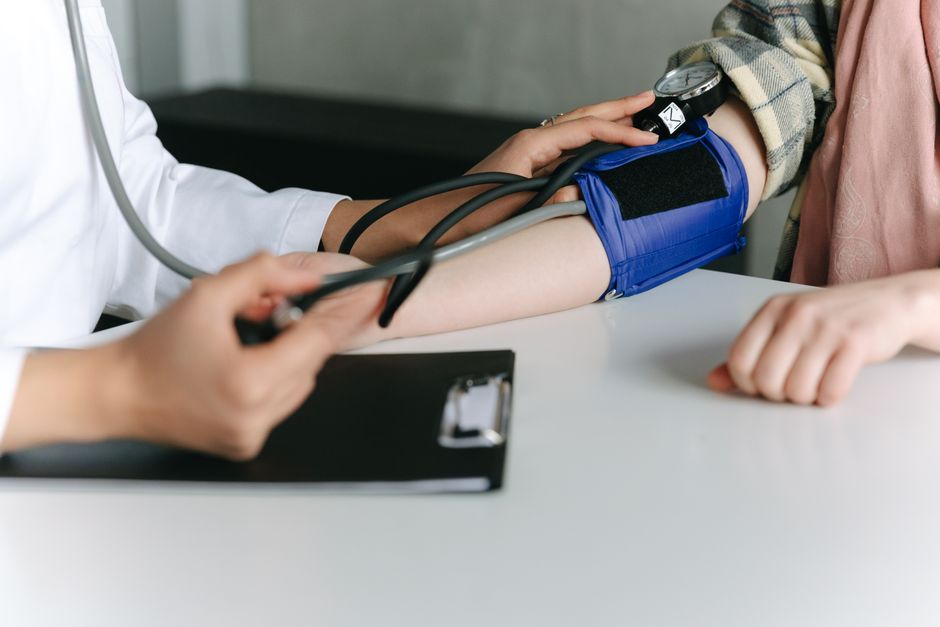
A blood pressure reading is considered good when the top number (systolic) is below 120 mmHg and the bottom number (diastolic) is below 80 mmHg. Readings between 120–129 systolic with diastolic still under 80 are elevated. Stage 1 high blood pressure begins at 130/80, and Stage 2 begins at 140/90. These categories come from the American College of Cardiology and American Heart Association, which updated their guidelines in 2017.
That means a reading of 118/76 is good. So is 112/72. A reading of 128/78 is not high blood pressure yet, but it is a warning sign worth paying attention to. The difference between “normal” and “elevated” is small on paper. In terms of what it means for your heart over decades, it is not small at all.
What Do the Numbers in a Blood Pressure Reading Actually Mean?
The top number measures the pressure inside your arteries when your heart contracts and pushes blood out. The bottom number measures the pressure when your heart relaxes between beats.
Systolic pressure tends to rise with age as arteries stiffen. Diastolic pressure often rises earlier in life and can actually fall in older adults as arteries lose elasticity. This is one reason why systolic readings matter more for older adults, and why a high systolic with a normal diastolic is not something to dismiss.
Both numbers matter. A reading of 160/75 is not “fine because the bottom number is good.” It is Stage 2 high blood pressure by systolic criteria alone.
What Is the Normal Blood Pressure Range by Age?
Normal blood pressure is the same for adults of all ages: below 120/80 mmHg. The categories do not change based on how old you are.
What changes with age is how common high blood pressure becomes and how likely systolic pressure is to rise. Arteries stiffen over time. That is a normal part of aging, but it does not mean higher readings are acceptable.
For children and teenagers, normal ranges are different and depend on age, sex, and height percentile. There is no single universal number for everyone under 18. Pediatric blood pressure is assessed using percentile charts, not the adult categories above.
What Is the Difference Between Elevated Blood Pressure and Hypertension?
Elevated blood pressure means systolic between 120 and 129 with diastolic below 80. It is not hypertension. It is a signal that things are heading in the wrong direction.
Hypertension (high blood pressure) starts at 130/80. Stage 1 is 130–139 systolic or 80–89 diastolic. Stage 2 is 140 or higher systolic or 90 or higher diastolic.
A hypertensive crisis is a reading above 180/120. That requires immediate medical attention. If you get a reading that high, wait five minutes and test again. If it is still that high, call your doctor or go to an emergency room — especially if you have chest pain, shortness of breath, numbness, or vision changes.
One reading does not diagnose anything. Blood pressure fluctuates throughout the day. Diagnosis is based on multiple readings taken on separate occasions, ideally at home or in a clinical setting where you are relaxed.

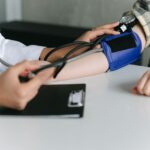
Blood Pressure Categories at a Glance
| Category | Systolic (mmHg) | Diastolic (mmHg) | |
|---|---|---|---|
| Normal | Below 120 | and | Below 80 |
| Elevated | 120–129 | and | Below 80 |
| Stage 1 Hypertension | 130–139 | or | 80–89 |
| Stage 2 Hypertension | 140 or higher | or | 90 or higher |
| Hypertensive Crisis | Above 180 | and/or | Above 120 |
Notice the “or” in the hypertension rows. If either number falls into a higher category, that category applies. You do not need both numbers to be high.
Why Does White Coat Hypertension Happen?
Some people read high at the doctor’s office and normal at home. This is called white coat hypertension, and it is common. The stress of a clinical setting can temporarily raise blood pressure.
The opposite also happens. Some people read normal at the doctor’s office but high at home or at work. This is called masked hypertension. It is less well known but carries similar cardiovascular risk.
Both situations are why home monitoring matters. A single office reading is a snapshot. Multiple readings over days and weeks tell a more accurate story.
How Should You Measure Blood Pressure at Home?
Home readings are often more reliable than office readings because they reflect your typical state rather than a single stressful moment. But technique matters. Poor technique can skew a reading by 10 to 20 mmHg or more.
Here is what established clinical guidance recommends:
- Sit quietly for five minutes before measuring.
- Keep your back supported and feet flat on the floor.
- Rest your arm on a flat surface at heart level.
- Use the correct cuff size — too small a cuff reads high.
- Do not talk or scroll your phone during the reading.
- Avoid caffeine, exercise, and smoking for 30 minutes beforehand.
- Take two or three readings one minute apart and average them.
Measure at the same times each day, usually morning and evening. Keep a log. Bring it to your doctor. A week of home readings is far more useful than one number from a single appointment.
What If Your Blood Pressure Is Only Slightly High?
A reading of 128/78 does not require medication in most cases. It does warrant attention.
Lifestyle changes can lower blood pressure meaningfully. Reducing sodium intake, losing excess weight, exercising regularly, limiting alcohol, and getting enough sleep all have evidence behind them. The effect size varies by person and by how many changes are made.
For someone with elevated blood pressure, these changes may be enough to bring readings back into the normal range. For someone with Stage 1 or Stage 2 hypertension, lifestyle changes are still important but may need to be combined with medication.
Whether medication is needed depends on your overall cardiovascular risk, not just the number. A doctor considers age, other conditions like diabetes or kidney disease, family history, and whether other risk factors are present. Two people with the same reading can get different recommendations.
Does a Good Blood Pressure Reading Mean You Can Stop Worrying?
No. A good reading today is a snapshot. Blood pressure tends to rise with age, especially systolic pressure. Staying in the normal range over decades requires ongoing attention, not a one-time check.
High blood pressure is called the “silent killer” for a reason. It usually has no symptoms until damage is already done — to the heart, kidneys, brain, and blood vessels. That is why regular monitoring matters even when you feel fine.
If your readings are consistently normal, checking a few times a year is reasonable for most adults. If you have risk factors like family history, diabetes, or obesity, more frequent monitoring is wise. Your doctor can tell you what schedule makes sense for your situation.
Frequently Asked Questions
Is 120/80 a good blood pressure reading?
Yes. 120/80 is at the upper edge of normal. Anything below 120/80 is considered normal, and 120–129 systolic with diastolic under 80 is classified as elevated.
Is 130/80 considered high blood pressure?
Yes. Since 2017, 130/80 is classified as Stage 1 hypertension by the American College of Cardiology and American Heart Association. It is the lower end of high blood pressure, but it is still high blood pressure.
Can blood pressure be too low?
Yes. Readings below 90/60 are generally considered low, though some healthy people naturally run low without symptoms. Low blood pressure only becomes a concern when it causes dizziness, fainting, or falls.
How often should I check my blood pressure?
If your readings are normal, a few times a year is reasonable for most adults. If you have elevated readings or risk factors, your doctor may recommend checking daily or weekly at home.
