
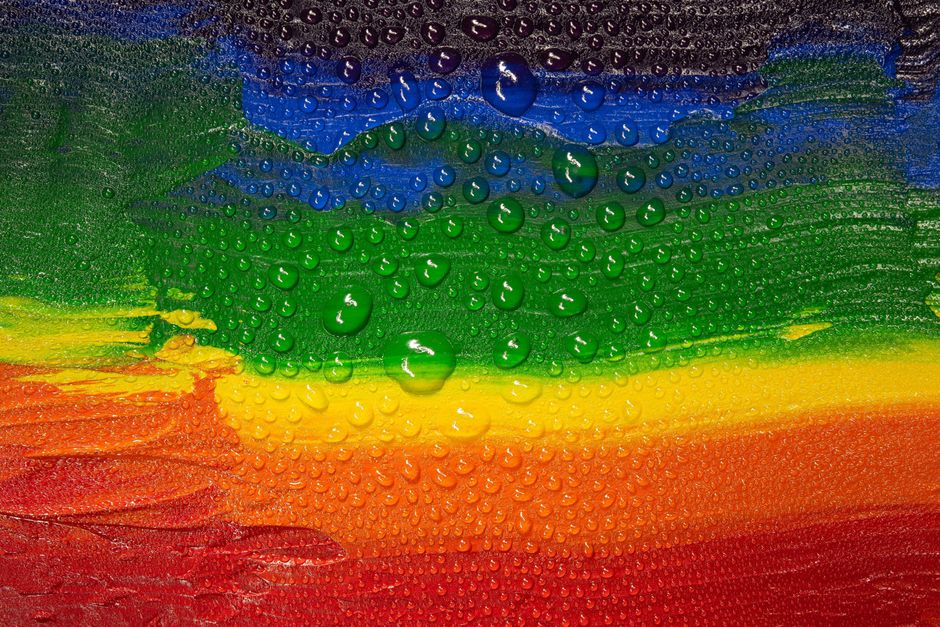
Color psychology is the study of how colors affect human behavior and emotions. The science behind it is real, but it is often oversimplified and exaggerated in popular culture. While some research shows that colors can influence mood and perception, many bold claims—like “red makes you hungry” or “blue makes you calm”—are not as solid as they sound.
What Is Color Psychology?
Color psychology is a field that looks at how different colors affect how we feel, think, and act. It draws from psychology, neuroscience, and marketing research. People have been interested in the emotional power of color for centuries, but modern scientific study began in the early 20th century.
Common associations are well known: red with excitement or danger, blue with calm or trust, yellow with happiness or warning. These links often come from cultural learning and personal experience, not hardwired biology. Much of what is sold as “color psychology” today comes from marketing firms and design blogs, not peer-reviewed research.
Some of the most widely repeated claims—like that pink calms prisoners or that green boosts creativity—have little solid science behind them when you look closely at the evidence.
What Does The Science Say About Color And Emotion?
Research does show that color can affect people, but the effects are usually small and depend heavily on context. For example, a study might find that people in a blue room report feeling calmer than those in a red room—but the difference is often slight and may not hold for everyone.
Colors can also trigger physical responses. Bright red light can raise heart rate and alertness in some people. Blue light can suppress the sleep hormone melatonin. These are real biological effects, but they come from light intensity and wavelength, not just “color” as a symbol.
Importantly, culture plays a huge role. In many Western countries, white stands for purity and weddings. In parts of Asia, white is the color of mourning. So any general claim about what a color “means” to all people is likely overstated.
Some studies indicate that color preferences are partly genetic and partly learned. One well-known study from the 1970s found that babies look longer at blue and red than at yellow or green, suggesting a basic visual preference. But that does not mean blue makes babies calm.
Why Are Many Color Psychology Claims Overstated?
The biggest reason is that much of the public information comes from marketing, not science. Many companies sell “color personality tests” or “mood-enhancing paint colors” with little to back them up.
Some studies that show strong effects turn out to have small sample sizes or unusual conditions. For example, a famous study that found pink paint reduces aggression in prison cells has been criticized because the effect may have come from other changes, like better lighting or staff attention.
Another problem is that people take a single study and treat it as universal fact. The claim that “yellow makes babies cry” comes from one old study that has not been reliably repeated. Yellow is also commonly associated with happiness and sunshine—it cannot be both.
Individual differences also matter. Your personal history with a color—like a red dress you wore on a great day—can override any general effect. Your mood, the time of day, and what you are doing all affect how color influences you. The science is just not strong enough to make clear rules for every person.




Can Color Really Influence Your Buying Decisions?
This is one area where there is some real research, especially in advertising and store design. Studies have found that color can affect how we perceive a product. For example, people may rate a less salty snack as tasting saltier when served from a red package. That is a real perceptual effect, but it is subtle and does not apply to every product.
Color can also affect attention. Bright, contrasting colors catch the eye. That is why sale signs are often red or yellow. But once you look at the sign, the color stops mattering much—the actual price and product decide your action.
Some research suggests that warm colors (red, orange) increase arousal and speed up decision-making, while cool colors (blue, green) make people more thoughtful. But again, these effects are small and can be easily overshadowed by price, brand, or your own needs at the moment.
If you work in marketing, color matters but should not be your main tool. For most people, color is just one small factor in a complex decision.
How To Use Color Psychology Sensibly At Home Or Work
You can still use color thoughtfully, as long as you do not expect magic results. If you want a room to feel calm, choose colors that you personally find relaxing. For many people, that means soft blues, greens, or neutrals. If you want a workspace to feel energetic, brighter colors like yellow or orange might help—but only if you like them.
Lighting is just as important as the color itself. The same blue wall can look different in natural light versus warm artificial light. The amount of light also changes how you feel in a space.
Do not rely on color alone to fix mood problems, reduce stress, or improve sleep. Those changes require real habits—good sleep routines, exercise, and social connection. Color can support a calming atmosphere, but it is not a treatment.
If you are renovating or decorating, pick colors you enjoy living with. That will do more for your happiness than following any “color rule” from a blog.
The Bottom Line On Color Psychology
Color psychology is a real area of study, with some solid science behind basic effects of light and wavelength on the brain. But most of the popular claims you see online or in marketing are not backed by strong evidence. Cultural differences, personal history, and context all weaken simple rules.
Be skeptical of any claim that tells you a specific color will definitely change your mood, behavior, or health. The honest answer is that color can play a small role, but it is not the powerful tool it is often made out to be.
If you are curious about color, try paying attention to how certain colors make you feel in real situations. That personal experiment may be more useful than any general rule.
Frequently Asked Questions
Is color psychology scientifically proven?
Parts of it are, but many popular claims are not. There is evidence that color can affect attention and arousal, but most specific associations (like “green means envy”) come from culture and anecdote, not rigorous science.
Can color therapy treat depression?
No clinical evidence confirms that color alone can treat depression. Some people find certain colors calming as part of a supportive environment, but color is not a replacement for professional mental health care.
Do colors mean the same thing across different cultures?
No, they do not. White symbolizes purity in Western cultures but mourning in many Eastern cultures. Meanings can shift even within one country by region or generation.
Should I paint my bedroom a certain color to sleep better?
Darker, muted colors may help create a relaxing setting, but the most important factors for sleep are light levels, noise, temperature, and your bedtime routine. Color alone will not fix poor sleep.
