

Blood is red. That sounds simple until you look closer and notice that blood is not one red. It is bright scarlet in an artery and dark maroon in a vein. A small sample in a tube can look almost purple. Blood drawn for a lab test can even look nearly black. So what is the real color of blood?
The color of blood comes down to one molecule: hemoglobin, the iron-containing protein inside red blood cells that carries oxygen. Hemoglobin changes color depending on whether it is holding oxygen. Oxygen-rich blood is bright red. Oxygen-poor blood is a darker, duller red. No human blood is blue, green, or clear under normal conditions.
What Is Color Of Blood?
Blood is red because of hemoglobin, and the exact shade depends on how much oxygen that hemoglobin is carrying.
When hemoglobin binds oxygen in the lungs, it forms oxyhemoglobin, which is bright red. When it releases oxygen to tissues, it becomes deoxyhemoglobin, which is a darker red. This is the same basic chemistry that makes rust red and makes the iron in your blood red. Iron and oxygen together produce color.
This is why arterial blood — the blood leaving your heart and lungs — looks bright red, while venous blood returning to your heart looks darker. The difference is not the presence or absence of oxygen entirely. It is a shift in how the hemoglobin molecule is shaped and how it interacts with light once oxygen is bound or released.
Skin tone affects how blood appears through the skin, but it does not change the blood itself. The blood is red in everyone.
Why Do Veins Look Blue If Blood Is Red?
Veins can look blue or green through the skin, but the blood inside them is still red. The blue appearance is an optical effect, not a color change in the blood.
When light hits your skin, it passes through tissue before it reaches the vein and bounces back to your eye. Different wavelengths of light penetrate skin differently. Red light tends to be absorbed by the tissue along the way, while blue light scatters and reflects back more. Your brain interprets that returning signal as a blue or green line, even though the blood underneath is dark red.
This effect is stronger in people with lighter skin, because there is less pigment to mask the scattered light. In people with darker skin, veins are often less visible for the same reason.
It is a common myth that veins carry blue blood that turns red when it hits oxygen in the air. That is not how it works. Blood does not change color on contact with air. Deoxygenated blood is already red — just a darker red.
Why Does Blood Change Color Outside The Body?
Blood looks different once it leaves the body, and the change happens fast.
When blood is exposed to air, the hemoglobin picks up oxygen. Blood that was dark red in a vein can brighten to a more vivid red as it sits in a tube or on a surface. This is why a nosebleed or a cut can look brighter than you might expect.
As blood clots and dries, it darkens further. The iron in hemoglobin oxidizes over time, similar to how a cut apple browns. Dried blood turns brown, then almost black. This is normal and does not indicate anything wrong with the blood itself.
Menstrual blood is often described as brown or dark red, especially toward the end of a period. That color comes from blood that has been in the uterus longer and has had more time to oxidize. It is not a sign of a health problem on its own.
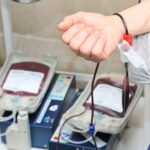
Blood in a lab tube is usually collected with an additive that prevents clotting, so it stays liquid and looks like dark red fluid. If a tube sits for a while, the red cells settle and the yellowish plasma rises to the top. That yellow layer is normal plasma, not a sign of disease.



What Does The Color Of Your Blood Tell You About Your Health?
For most people, the color of blood is not a diagnostic clue. The shade varies naturally with oxygen levels, lighting, and how long the blood has been outside the body.
There are a few exceptions where color does carry information, and these are situations a doctor would assess.
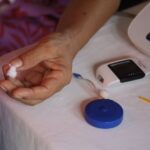
- Very dark blood from a fingerstick or draw can sometimes reflect low oxygen levels in the body, but it is not a reliable sign on its own. Oxygen saturation is measured with a pulse oximeter, not by looking at blood color.
- Brownish or chocolate-colored blood can occur with a rare condition called methemoglobinemia, where hemoglobin is altered and cannot carry oxygen properly. This is uncommon and usually tied to certain medications, chemicals, or inherited conditions. It is a medical concern, not a normal variation.
- Pale or watery-looking blood is not a real color change. What looks pale is often anemia, which is about low red blood cell count or low hemoglobin, not a change in the color of the hemoglobin itself.
If you notice a sudden change in the color of your blood that seems unusual — especially with symptoms like shortness of breath, dizziness, or fatigue — that is worth a medical evaluation. But color alone is not a reliable way to judge your health.
Does Blood Ever Look Green Or Black?
Human blood does not turn green. The idea that it does is a myth.
Some animals do have green blood, such as certain marine worms and skinks, because they use a different oxygen-carrying molecule. Humans use hemoglobin, which is red. There is no normal human condition that turns blood green.
Blood can look black in certain situations. Very dark deoxygenated blood in a vein can appear almost black through the skin, especially in people with darker skin tones. Dried blood is also nearly black. Neither of these means the blood is actually black.
One real medical situation involves a greenish tint, but it is not the blood itself. A rare condition called sulfhemoglobinemia can cause a greenish discoloration of the blood, but it is extremely uncommon and usually related to specific drugs or chemicals. It is not something to worry about under normal circumstances.
Why Does Blood Color Vary Between People?
Blood color is remarkably consistent across humans. The main variables are oxygen level, lighting, and how the blood is viewed.
Two people can have blood that looks different in a tube simply because one sample has more oxygen exposure or has sat longer. A person with darker skin may have veins that are harder to see, but the blood is the same red.
Some rare genetic conditions affect hemoglobin structure. Sickle cell trait and sickle cell disease involve abnormal hemoglobin, but they do not change the color of blood in a way you would notice. The red color remains.
What about the idea that some people have “thicker” or “darker” blood? Blood thickness is about viscosity, which relates to red blood cell count and hydration, not color. Darker-looking blood is usually just deoxygenated or older blood.
Frequently Asked Questions
Is blood ever actually blue?
No. Human blood is always red, whether it is carrying oxygen or not. Veins can look blue through the skin because of how light scatters, but the blood inside is red.
Why is blood bright red in arteries and dark red in veins?
Arterial blood is bright red because it is rich in oxygen bound to hemoglobin. Venous blood is darker red because it has released oxygen to your tissues.
Can the color of my blood tell me if I have a health problem?
Usually no. Color varies naturally with oxygen and exposure to air. A sudden unusual color change, especially with symptoms, should be checked by a doctor.
Why does blood turn brown or black when it dries?
The iron in hemoglobin oxidizes over time, similar to how metal rusts. This turns dried blood brown and eventually nearly black, which is normal.
