
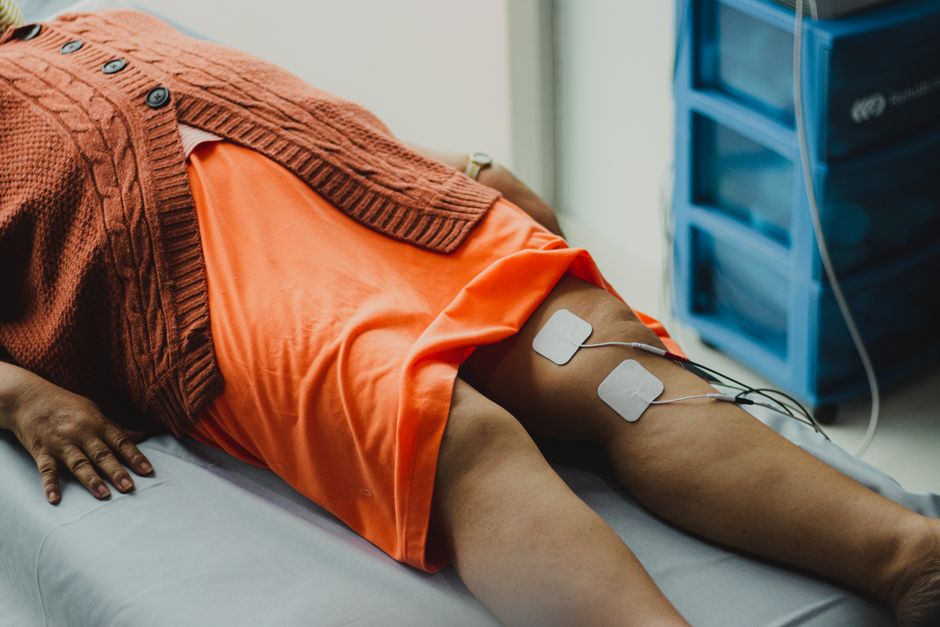
Collagen stimulation is any process that prompts your skin’s fibroblast cells to produce more collagen than they normally would. Collagen is the structural protein that gives skin its firmness and bounce, and natural production declines with age. Stimulation methods range from proven clinical treatments like microneedling and fractional laser to topical creams that largely lack evidence.
What Is Collagen Stimulation And How Does It Work?
Collagen stimulation works by creating controlled injury or sending specific signals to the dermis, the deeper layer of skin where collagen lives. When fibroblasts detect damage or mechanical stress, they respond by building new collagen. That response is part of normal wound healing.
The key word is “controlled.” A paper cut also triggers collagen repair, but it does not make your skin firmer. Clinical collagen stimulation uses precise, measured injury that triggers the repair cascade without causing scar tissue. The depth, pattern, and intensity of the injury determine whether you get remodeling or a scar.
This distinction matters because it separates treatments with real evidence from marketing claims. A cream cannot create controlled injury in the dermis. It sits mostly on the surface. That is why topical collagen products and clinical collagen induction therapies are not equivalent, even when they use the same word on the label.
Why Does Collagen Decline With Age?
Collagen production drops steadily after your mid-twenties. By your forties, you have lost a meaningful share of the collagen density you had in your youth. This is a normal part of aging, not a disease.
Several things drive the decline:
- Fibroblasts become less active and less responsive over time
- Collagen fibers that remain become fragmented and disorganized
- Sun exposure accelerates breakdown through UV damage
- Estrogen drops after menopause, and estrogen supports collagen synthesis
- Smoking and high blood sugar both damage collagen structure
UV exposure is the single largest controllable factor. Research consistently shows that sun-damaged skin has measurably less collagen than protected skin in the same person at the same age. This is why dermatologists describe most visible facial aging as photoaging rather than simple chronological aging.
One clarification worth making: eating collagen or applying it to your skin does not automatically become collagen in your dermis. Your body breaks dietary protein into amino acids and rebuilds what it needs. Topical collagen molecules are generally too large to penetrate the dermis intact.
Which Collagen Stimulation Methods Have Real Evidence?
Microneedling and fractional laser have the strongest evidence base. Both create controlled micro-injury in the dermis, and both have been studied with skin biopsies showing increased collagen density after treatment.
Microneedling uses fine needles to create thousands of tiny wounds at a set depth. Studies using skin sampling have found new collagen formation in the weeks after treatment. Results build gradually and typically require multiple sessions.
Fractional laser uses columns of heat to injure the dermis while leaving surrounding skin intact. This speeds healing compared to fully ablative resurfacing. Collagen remodeling is well documented after fractional laser, though the evidence is stronger for some laser types than others.
Radiofrequency delivers heat energy to deeper skin layers. Some studies show collagen changes, but results vary by device and treatment protocol. The evidence here is more mixed than for microneedling or fractional laser.
Ultrasound-based devices focus energy at specific depths. Some clinicians report good outcomes, but the published evidence is limited and inconsistent across devices.
Chemical peels at medium to deep depths can stimulate collagen remodeling as part of the wound healing response. Superficial peels mostly affect the surface and are unlikely to change dermal collagen much.
What these methods share is that a trained provider controls the injury. Depth, energy, and technique all affect whether you get collagen remodeling or a complication. This is not a category where at-home versions match clinical results.
Do Collagen Creams And Supplements Actually Work?
Topical collagen creams do not stimulate collagen in the dermis. The collagen molecule is too large to cross the skin barrier. Any firming you notice right after applying a collagen cream is usually from moisturization and temporary hydration, not new collagen.
Some ingredients in creams do have evidence for supporting collagen, though the effect is modest compared to clinical procedures:
- Retinoids are among the best-studied topical ingredients for increasing collagen and improving fine lines
- Vitamin C is required for collagen synthesis, and topical forms have some supporting evidence
- Peptides show mixed results, with some small studies suggesting benefit and others finding little
Oral collagen supplements are a different question. Some clinical trials have found improvements in skin elasticity and hydration with collagen peptide supplementation. Other trials have found no meaningful difference. The evidence is genuinely mixed, and most studies are small and often funded by supplement makers.
Even when supplements show a measured effect, it is usually modest and measured in skin hydration or elasticity scores, not visible structural change. No clinical evidence currently confirms that collagen supplements rebuild dermal collagen the way microneedling or laser does.
What Results Can You Realistically Expect?
Collagen remodeling is slow. New collagen takes weeks to months to build, and results appear gradually rather than overnight. Anyone promising immediate structural change is describing swelling or hydration, not new collagen.
For clinical procedures, most people need multiple sessions spaced weeks apart. Improvement typically continues for several months after the last session as collagen matures. Results are usually described as improvement, not reversal. Treated skin does not return to its twenty-year-old state.
Individual results vary widely based on age, skin type, sun damage, smoking, and how well you follow aftercare. A person in their thirties with minimal sun damage will generally see more from the same treatment than a person in their fifties with extensive photoaging.
Maintenance matters. Collagen continues to decline with age, so results from any single round of treatment gradually fade. Many providers recommend periodic maintenance sessions, though the ideal schedule is not firmly established and varies by treatment.
What Are The Risks And Limitations?
Collagen stimulation treatments are not risk-free. Microneedling can cause temporary redness, swelling, and in some cases post-inflammatory hyperpigmentation, especially in darker skin tones. Fractional laser carries risks including infection, scarring, and prolonged redness. These are real risks, not rare theoretical ones.
Who should be cautious:
- People with active skin infections or open wounds in the treatment area
- People prone to keloid scarring
- People with certain autoimmune conditions affecting the skin
- Anyone taking medications that increase photosensitivity or impair healing
- Pregnant women, for whom many of these treatments have not been studied
No clinical guidelines currently establish collagen stimulation treatment protocols for pregnant or breastfeeding women. This is a case where you should talk to a clinician rather than assume a treatment is safe because it is common.
There is also a limitation that rarely gets mentioned: no collagen stimulation method has been shown to fully reverse skin aging. The goal is improvement, and the evidence supports that for several clinical methods. Anything beyond that is marketing.
How Do You Choose Between Methods?
Choose based on evidence strength, your skin, and what a qualified provider recommends after examining you. The table below summarizes the general evidence picture, though individual devices and protocols vary.
| Method | Evidence for Collagen Stimulation | Typical Downtime |
|---|---|---|
| Microneedling | Good, supported by biopsy studies | 1-3 days of redness |
| Fractional laser | Good, well documented | Several days to a week |
| Radiofrequency | Mixed, varies by device | Minimal to a few days |
| Ultrasound devices | Limited and inconsistent | Minimal |
| Medium/deep peels | Moderate | Several days |
| Topical collagen creams | No evidence for dermal stimulation | None |
| Oral collagen supplements | Mixed, mostly small trials | None |
Downtime estimates vary by provider, device settings, and individual healing. Treat them as general ranges, not guarantees.
The most important variable is not the device name. It is the skill of the person operating it. The same laser at the same settings can produce good remodeling in experienced hands and scarring in inexperienced ones. Ask about the provider’s training and experience with the specific treatment, not just the brand of device.
Frequently Asked Questions
How long does collagen stimulation take to show results?
Most people see gradual improvement over two to three months, because new collagen takes weeks to build and mature. Full results from a course of treatment often continue developing for several months after the final session.
Does microneedling really build collagen?
Yes, studies using skin biopsies have found increased collagen density after microneedling. The effect depends on treatment depth and technique, and typically requires multiple sessions.
Can collagen creams replace clinical treatments?
No. Collagen molecules are too large to penetrate into the dermis, so topical collagen creams do not stimulate new collagen there. Some ingredients like retinoids and vitamin C have evidence for supporting collagen, but the effect is modest compared to clinical procedures.
Is collagen stimulation safe for everyone?
No. People with active skin infections, a history of keloid scarring, or certain autoimmune conditions may not be good candidates. Pregnant and breastfeeding women should consult a clinician, since no clinical guidelines currently establish protocols for these groups.
