
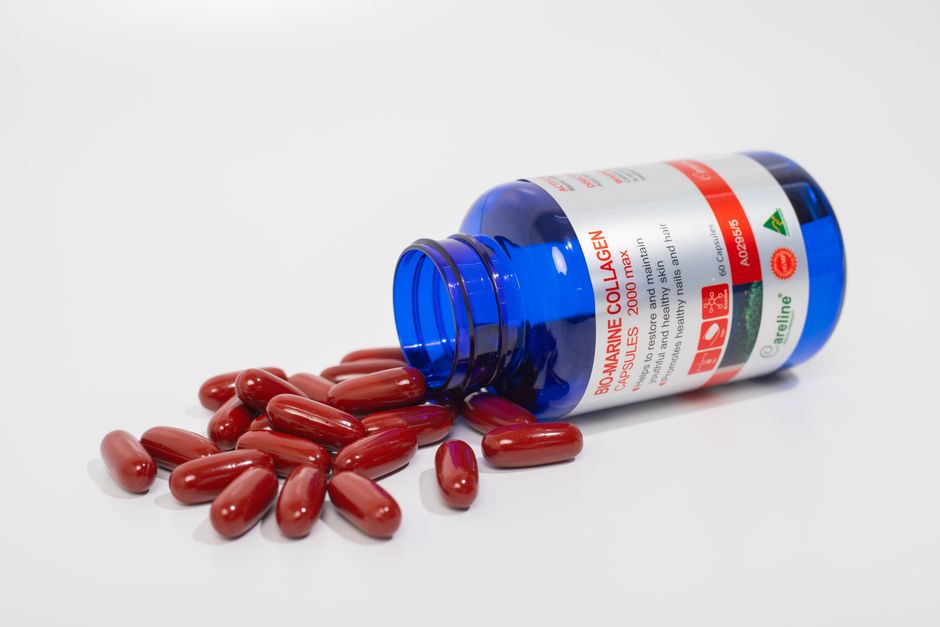
Collagen is the most abundant protein in the human body. It forms the structural framework for your skin, bones, tendons, ligaments, and cartilage. Think of it as the scaffolding that holds your body together and gives tissues their strength and shape.
The name comes from the Greek word “kolla,” meaning glue. That is essentially what collagen does. It binds cells and tissues together so they can withstand stretching and pressure. Without it, your body would not hold its form.
Collagen makes up roughly 30% of all protein in the body. It is found in nearly every tissue, though it is most concentrated in skin, bones, and connective tissue. Different types of collagen serve different purposes, and the body produces them on its own throughout life.
What Is Collagen Collagen? Key Information
Collagen is a family of proteins, not a single substance. At least 28 different types have been identified in humans, though a small number do most of the structural work.
Type I collagen is the most common. It accounts for about 90% of the collagen in the body and is found in skin, bone, tendons, and ligaments. Type II is the main collagen in cartilage. Type III is found in skin, blood vessels, and internal organs. Types I, II, and III are the ones most people mean when they talk about collagen.
The protein is built from amino acids, primarily glycine, proline, and hydroxyproline. These amino acids link together in long chains that twist into a triple helix shape. That triple helix is what gives collagen its tensile strength. Gram for gram, collagen fibers are comparable in strength to steel.
Your body makes collagen naturally. Specialized cells called fibroblasts in skin and connective tissue, osteoblasts in bone, and chondrocytes in cartilage all produce it. Production is influenced by diet, hormones, physical activity, and age.
How Does the Body Make Collagen?
Collagen synthesis is a multi-step process that depends on several nutrients. The body cannot make collagen without vitamin C, which is required for the enzymes that stabilize the collagen molecule. This is why severe vitamin C deficiency causes scurvy, a disease characterized by poor wound healing, bleeding gums, and weakened connective tissue.
Vitamin C is not the only nutrient involved. Copper, zinc, and iron also play roles in collagen formation. Protein intake matters because the body needs amino acids to build the collagen chains in the first place.
The process works like this:
- Cells assemble amino acids into procollagen chains inside the cell.
- Enzymes add hydroxyl groups to proline and lysine, a step that requires vitamin C.
- Three chains twist together into a triple helix.
- The helix is secreted outside the cell and assembled into larger fibrils.
- Cross-linking between fibrils gives the tissue its strength.
This is a well-established biochemical pathway. It has been understood for decades and is not a matter of debate.
What Happens to Collagen as You Age?
Collagen production declines with age. This is one of the most consistent findings in connective tissue research. After roughly age 20, the body produces slightly less collagen each year. By the time a person reaches their 40s, measurable changes in skin elasticity and joint cartilage are common.
The decline is gradual and varies between individuals. Genetics, sun exposure, smoking, and overall health all influence how quickly it happens. Collagen fibers also become more fragmented and less organized over time, which affects how well tissues can repair themselves.
In skin, this shows up as wrinkles, sagging, and thinning. In joints, it contributes to cartilage wear. In bones, it plays a role in reduced bone density. None of these changes happen overnight, and none are caused by collagen loss alone.
It is worth noting that collagen decline is not a disease. It is a normal part of aging. The question is whether anything can meaningfully slow it or reverse it, and the evidence there is more limited than most marketing suggests.





Does Eating Collagen Actually Help?
When you eat collagen, whether from bone broth, gelatin, or a supplement, your digestive system breaks it down into individual amino acids and small peptides. Those amino acids then enter the bloodstream and are used wherever the body needs them. They are not automatically routed to your skin or joints.
This is where the marketing gets ahead of the science. The idea that eating collagen directly rebuilds collagen in your skin or cartilage is a simplification. The body does not distinguish between amino acids from collagen and amino acids from other protein sources.
That said, some research suggests that specific collagen peptides may have effects beyond basic nutrition. Some studies indicate that hydrolyzed collagen peptides can stimulate fibroblasts to produce more collagen, possibly through signaling molecules released during digestion. The evidence is not conclusive, and results vary across studies.
What the research generally shows:
- Some small trials have reported improvements in skin elasticity and hydration with collagen supplementation.
- Some studies suggest modest joint pain relief in certain populations.
- Many of these studies are short, small, or funded by industry.
- No large, independent, long-term trials have confirmed these effects.
The honest position: collagen supplements are not harmful for most people, but the evidence for their benefits is mixed and not strong enough to call them proven. Anyone expecting dramatic changes should adjust expectations.
What Foods Contain Collagen?
Collagen is found in animal foods. The highest concentrations are in bones, skin, and connective tissue. This is why bone broth and gelatin are often promoted as collagen sources.
Common dietary sources include:
- Bone broth made from animal bones
- Gelatin, which is derived from collagen
- Chicken skin and pork skin
- Fish with skin and bones
- Eggs, which contain collagen-forming amino acids but not collagen itself
Plant foods do not contain collagen. However, they can provide the amino acids and cofactors the body needs to make its own collagen. Vitamin C from citrus, berries, and peppers is especially important. Copper from nuts and seeds, and zinc from legumes and whole grains, also support the process.
Some foods are marketed as “collagen boosters” because they contain these nutrients. That label is a stretch. They support collagen production, but they do not contain collagen and do not directly increase it.
Is Collagen Supplementation Safe?
For most healthy adults, collagen supplements appear to be well tolerated. Reported side effects are generally mild and include digestive discomfort or a feeling of fullness. Allergic reactions are possible in people with allergies to the source material, such as fish or eggs.
What is not well established is the long-term safety of high-dose collagen supplementation. Most studies have followed participants for weeks to a few months, not years. No clinical guidelines currently exist for collagen supplementation in pregnancy, breastfeeding, or children.
People with kidney disease should be cautious about any protein supplement, including collagen, because it adds to total protein intake. Anyone taking medication or managing a health condition should talk to a healthcare provider before starting a supplement.
The bigger issue is not safety. It is whether the product does what it claims. The supplement industry is loosely regulated in the United States. Not all products contain what the label says, and some contain contaminants. Third-party testing is not required.
Can You Increase Collagen Naturally?
The body makes collagen on its own, and several lifestyle factors support that process. These are well-established contributors to connective tissue health.
Protecting existing collagen matters as much as producing new collagen. Ultraviolet radiation from the sun breaks down collagen in the skin. This is one of the most well-documented causes of skin aging. Smoking also damages collagen and reduces production. Avoiding these two factors likely does more for your skin than any supplement.
Other factors that support collagen health:
- Adequate protein intake from a variety of sources
- Vitamin C from fruits and vegetables
- Regular physical activity, which stimulates collagen turnover in tendons and bone
- Avoiding excessive alcohol, which can impair collagen synthesis
- Getting enough sleep, since tissue repair happens during rest
None of these are dramatic interventions. They are basic health habits. But they are supported by stronger evidence than most collagen supplements.
What Are the Different Types of Collagen?
Collagen types differ in structure and location. The table below summarizes the most common types and where they are found.
| Type | Main Location | Primary Function |
|---|---|---|
| Type I | Skin, bone, tendons, ligaments | Structural support and tensile strength |
| Type II | Cartilage | Resists pressure in joints |
| Type III | Skin, blood vessels, organs | Structural support in soft tissue |
| Type IV | Basement membranes | Supports cell layers |
| Type V | Skin, tendons, bone | Regulates fibril formation |
Type I is the most abundant and the one most supplements target. Type II is often marketed for joint health. The evidence for type-specific benefits is limited. Most studies on collagen supplements do not compare types directly.
Frequently Asked Questions
What is collagen made of?
Collagen is made of amino acids, mainly glycine, proline, and hydroxyproline, arranged in a triple helix structure. Vitamin C, copper, zinc, and iron are needed for the body to build it.
Does collagen really work for skin and joints?
Some small studies suggest modest benefits for skin elasticity and joint comfort, but the evidence is mixed and many studies are short or industry-funded. No large independent trials have confirmed these effects.
At what age does collagen start to decline?
Collagen production begins to decline gradually after roughly age 20. The rate varies by person and is influenced by genetics, sun exposure, smoking, and overall health.
Can vegetarians get collagen from food?
No. Collagen is found only in animal foods. Vegetarians can support their body’s own collagen production by eating enough protein and vitamin C-rich fruits and vegetables.
