
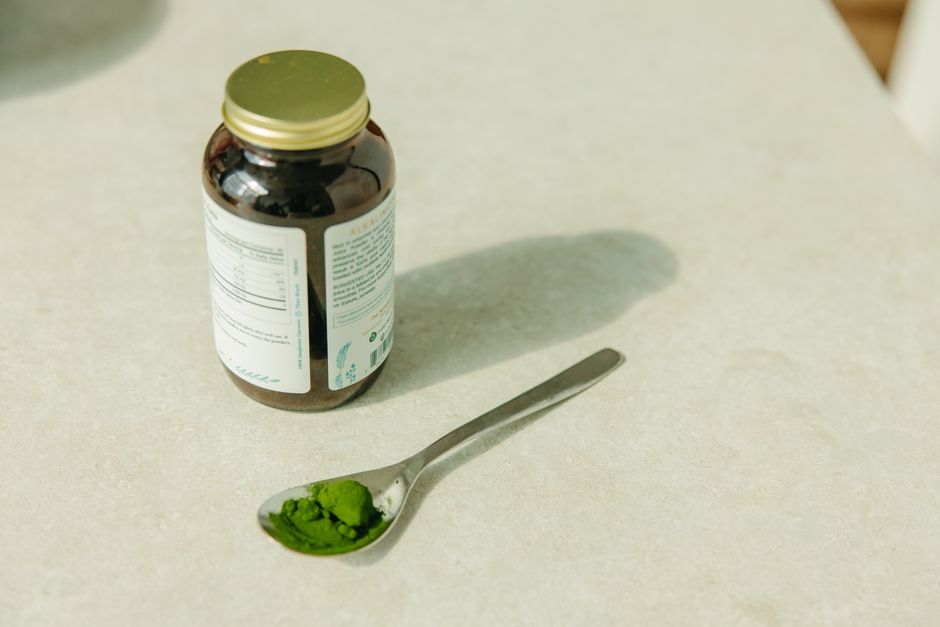
Chromium is a trace mineral found naturally in many foods and in water, though usually in very small amounts. The chromium in your diet exists in two main forms: trivalent chromium, which is the form your body can use, and hexavalent chromium, which is a toxic industrial byproduct that is not a normal part of food. Most people get enough chromium from a varied diet, and true chromium deficiency is considered rare in healthy adults.
What Is Chromium Found In Foods Water Sources?
Chromium is present in soil and water, which means it gets into plants and animals that people eat. The amount varies widely depending on where food is grown and how it is processed. Water sources also contain trace amounts, but municipal tap water is not typically a major source of dietary chromium.
Foods that consistently contain measurable chromium include broccoli, whole grains, potatoes, and some meats. Grape juice, orange juice, and certain spices like black pepper also contribute. The mineral is present in these foods naturally, not added during processing.
One important detail: refined foods lose chromium. White flour, white rice, and sugary drinks contain far less than their whole-food counterparts. This is because chromium is concentrated in the bran and germ of grains, which are removed during refining.
Which Foods Have the Highest Chromium Content?
Broccoli is often cited as the most chromium-rich common food, though exact amounts vary by soil conditions. Other good sources include barley, oats, green beans, and tomatoes. Meats like beef and poultry provide chromium too, but the amounts are modest.
Fruits and vegetables generally contain less chromium than grains, but they still contribute to total intake. Grape juice and orange juice are frequently mentioned in nutrition databases, though the levels are not dramatic. Brewer’s yeast is sometimes listed as a high-chromium food, but standard dietary yeast products vary considerably.
Here is what a practical chromium-rich plate looks like:
- Broccoli or green beans as a side vegetable
- Whole grain bread, barley, or oats instead of refined grains
- Lean beef, turkey, or chicken as the protein
- Potatoes with the skin left on
- Black pepper or other spices used in cooking
No single food will dramatically change your chromium status. The benefit comes from consistently choosing whole, minimally processed foods.
How Much Chromium Is in Drinking Water?
Chromium appears in drinking water in trace amounts, usually measured in parts per billion. Most public water supplies contain very low levels, far below any health concern for the trivalent form. The bigger public health issue involves hexavalent chromium, the toxic form, which can contaminate groundwater near industrial sites.
Regulatory agencies set legal limits for total chromium in public drinking water. The current standard is 100 parts per billion for total chromium. Some states have proposed stricter limits specifically for hexavalent chromium, but the science continues to evolve.
For most people, tap water is not a meaningful source of nutritional chromium. If you drink a typical amount of water each day, you get a fraction of a milligram from water compared to the several micrograms from food. Water matters more for the potential contaminant issue than for nutrition.





What Does Chromium Do in the Body?
Chromium is best known for its role in carbohydrate and fat metabolism. It helps insulin move glucose from the bloodstream into cells, which is why it has been studied for blood sugar control. The exact mechanism is not fully understood, but chromium appears to enhance insulin signaling.
The body needs only tiny amounts of chromium. The National Institutes of Health notes that adequate intake is set at 35 micrograms per day for adult men and 25 micrograms for adult women. To put that in perspective, a microgram is one-thousandth of a milligram.
Most people meet this target through food alone. A balanced diet with whole grains, vegetables, and protein typically provides 30 to 50 micrograms daily. Supplements are rarely necessary for healthy people.
Can Chromium Supplements Improve Blood Sugar?
This is where the marketing gets loud and the evidence gets quiet. Chromium supplements are widely sold for diabetes and weight loss, but the research does not support dramatic claims.
Some studies have found modest improvements in blood sugar control for people with type 2 diabetes who took chromium supplements. Other studies found no benefit. The evidence is mixed, and the effect sizes are small. The American Diabetes Association does not recommend chromium supplements for treating diabetes because the data are not convincing.
Here is the key distinction: people with diagnosed chromium deficiency may benefit from supplementation, but true deficiency is rare. It occurs mainly in people on long-term intravenous nutrition or those with severe malabsorption. For everyone else, the body already has what it needs from food.
High doses of chromium supplements can cause side effects. Some case reports describe kidney damage, liver problems, and blood cell abnormalities with high supplement use. The safe upper limit for chromium is not firmly established, which is another reason to avoid megadoses.
Are Chromium Levels in Food Affected by Farming and Cooking?
Soil chromium content directly affects the chromium in crops. Plants grown in chromium-rich soil absorb more of the mineral. This means the same food grown in different regions can have different chromium levels.
Cooking methods matter less than you might think. Chromium is not easily destroyed by heat, so boiling or roasting does not eliminate it. However, cooking in stainless steel pots can add small amounts of chromium to acidic foods like tomato sauce. This is not a health concern and may slightly increase intake.
Food processing is the bigger factor. Refining grains removes up to 90 percent of the chromium content. Choosing whole grains over refined versions is the most reliable way to improve chromium intake from food.
Should You Test Your Chromium Levels?
Routine chromium testing is not recommended for healthy people. Blood and urine tests for chromium are available, but they are difficult to interpret because chromium levels fluctuate based on recent food intake. A single test result does not reliably reflect your body’s chromium status.
Testing makes sense only in specific situations. People on long-term tube feeding, those with intestinal diseases that cause poor absorption, or those with unexplained glucose intolerance might warrant testing. Your doctor would decide if testing is appropriate based on your medical history.
If you eat a varied diet with whole foods, your chromium intake is almost certainly adequate. Focus on food quality rather than laboratory testing.
What About Hexavalent Chromium in Water?
Hexavalent chromium is the toxic form that gained public attention through environmental contamination cases. It is not a nutrient and provides no health benefit. Long-term exposure to high levels in drinking water has been linked to cancer in animal studies.
This form of chromium comes from industrial pollution, not from natural soil or food. Leather tanning, metal plating, and stainless steel production are common sources. If you have concerns about your local water supply, your water utility is required to provide annual quality reports.
Home water filters vary in their ability to remove chromium. Reverse osmosis systems and distillation are effective at removing both forms. Standard carbon filters may not remove hexavalent chromium effectively. Check the filter’s certification before relying on it.
Frequently Asked Questions
What foods are highest in chromium?
Broccoli, whole grains, potatoes, and grape juice are among the best food sources. Brewer’s yeast also contains chromium, but amounts vary by product.
Is it safe to drink tap water with chromium?
Public water supplies are regulated and tested for total chromium, and most contain levels far below the legal limit. If you have private well water near industrial sites, testing for hexavalent chromium is worth considering.
Do chromium supplements help with weight loss?
No reliable evidence shows that chromium supplements cause meaningful weight loss. Some small studies suggest a tiny effect, but the clinical significance is questionable.
Can you get too much chromium from food?
No, chromium toxicity from food alone has not been documented. The risk comes from high-dose supplements, not from eating chromium-rich foods.
