
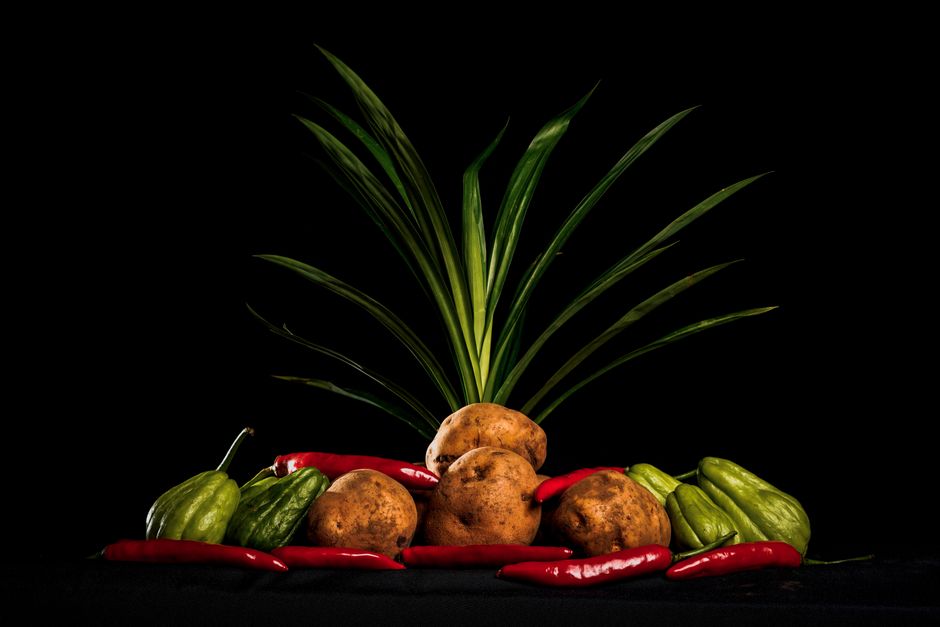
Chayote is a mild, pear-shaped squash that people have eaten for centuries in Mexico and Central America. It is low in calories, provides fiber and vitamin C, and fits easily into most eating patterns. The fruit, seed, and even the leaves are eaten in different regions, though the fruit is what you will find in most US grocery stores.
It is sometimes called mirliton, vegetable pear, or cho-cho. You may see it in the produce aisle looking like a wrinkled green pear. Its flavor is subtle, closer to zucchini than to winter squash, and it takes on the taste of whatever you cook it with. That mildness is part of why it works in so many dishes.
What chayote is good for comes down to a simple profile: it adds volume and fiber to a meal with very few calories, it supplies vitamin C, and it is mostly water. It is not a superfood, and no single vegetable is. It is a useful, affordable vegetable worth knowing how to cook.
What Is Chayote Good For Benefits And Nutrition?
Chayote’s main practical benefit is that it lets you eat a larger portion of food for very few calories while adding fiber and some vitamin C. That matters for anyone managing weight or trying to eat more vegetables without forcing down things they dislike.
The fruit is roughly 90 to 95 percent water. That high water content is why it feels light and why it cooks down so quickly. It also means the vegetable is not calorie-dense, which is the opposite of starchy vegetables like potatoes or corn.
Here is the approximate nutrition for one cup of raw chayote, based on USDA data:
| Nutrient | Amount per 1 cup (about 132 g), raw |
|---|---|
| Calories | About 19 |
| Carbohydrate | About 4.5 g |
| Fiber | About 1.7 g |
| Protein | About 1 g |
| Fat | Under 0.2 g |
| Vitamin C | Around 10 mg |
| Potassium | Around 160 mg |
Those numbers are modest. A cup of chayote will not meet your vitamin C needs for the day the way a bell pepper or an orange would. What it does well is bulk out a meal without adding much energy. The fiber is present but not enormous — you would need several cups to approach a meaningful share of your daily fiber target.
Chayote also contains small amounts of folate, vitamin K, and several B vitamins, along with plant compounds such as flavonoids and polyphenols. These are present in many vegetables. No research has shown that chayote’s specific compounds produce unique health effects in people beyond what any fiber- and vitamin-rich vegetable provides.
Does Chayote Have Any Proven Health Benefits?
The honest position is that chayote has no unique proven health benefits of its own. What evidence supports is the general value of eating more non-starchy vegetables, and chayote is one way to do that.
Large bodies of research consistently link higher vegetable intake with lower risk of several chronic diseases, including heart disease and type 2 diabetes. That evidence is about vegetables as a category, not chayote specifically. No clinical trials have tested chayote as a treatment for any condition, and anyone claiming it lowers blood sugar, fights cancer, or detoxifies the body is going beyond what has been studied.
Some laboratory studies have looked at extracts from chayote leaves and fruit and reported antioxidant and anti-inflammatory activity in cells and animals. That is early-stage work. Results in a petri dish or a mouse do not establish a benefit in humans, and the amounts used in such studies often do not match what a person would eat.
Where chayote genuinely helps is in the everyday mechanics of eating well. It is filling relative to its calories, it adds fiber that supports digestion and regularity, and it gives a meal texture and volume. Those are real, if unglamorous, contributions.
How Does Chayote Fit Into a Healthy Diet?
Chayote fits the same slot as zucchini, summer squash, or green beans. It is a low-calorie vegetable you can build meals around or use to stretch a dish further.
Because its flavor is so mild, it works in soups, stir-fries, gratins, and salads. In Mexican cooking it often appears in soups and stews. In Louisiana it is a staple of mirliton dishes. In parts of Asia and the Caribbean it shows up in curries and sautés.
A few practical points help:
- The skin is edible and contains fiber. Peeling is optional, though older fruit can have tough skin.
- The single seed inside is also edible once cooked. Some people remove it, but you do not have to.
- It browns slowly compared with some vegetables, so it holds up well in the fridge once cut.
- It absorbs flavors readily, which makes it a good base for stronger seasonings.
One thing people often get wrong: chayote is not a substitute for starchy vegetables in terms of energy. If you are replacing potatoes with chayote, you are cutting calories and carbohydrates, which may or may not suit your goals. It is not a “low-carb potato” in any meaningful nutritional sense — it is simply a different, much lighter vegetable.
Is Chayote Safe for Everyone?
For most people, chayote is a safe and well-tolerated food. It is not a common allergen, and serious reactions are rare.
The raw fruit contains small amounts of compounds that can irritate some people’s stomachs, and eating it raw in large amounts is not typical in most cuisines. Cooking breaks these down. If you have a sensitive digestive system, cooked chayote is the more comfortable choice.
The seed and leaves deserve a note of caution. In some traditional practices, chayote leaf teas and extracts are used, and animal studies have raised questions about effects on blood pressure and reproduction at high doses. Human data on concentrated extracts is essentially absent. That does not mean a normal serving of the cooked fruit is risky — it means the concentrated forms are not established as safe, and should not be treated as such, especially during pregnancy or breastfeeding.
No clinical guidelines currently exist for chayote extracts, supplements, or leaf preparations in any population. If you are pregnant, breastfeeding, or taking blood pressure medication, stick to the fruit as food and avoid concentrated products.
How Do You Choose and Cook Chayote?
Look for fruit that feels firm and heavy for its size, with skin that is mostly smooth and free of soft spots. Smaller chayote tend to be more tender. Larger ones can be tougher and more fibrous.
Store it in the refrigerator, where it keeps for a couple of weeks. Once cut, wrap it and use it within a few days.
Cooking is straightforward. Treat it like zucchini or a firm summer squash:
- Peel if you prefer, then cut into cubes, slices, or matchsticks.
- Sauté with oil, garlic, and herbs until just tender.
- Add to soups and stews, where it will soften and take on the broth.
- Roast it for a firmer texture, though it will not crisp like a potato.
- Use it raw in salads, sliced thin, if you enjoy a crunch.
Because it releases water as it cooks, avoid overcrowding the pan when sautéing. Otherwise it steams rather than browns. That is a small technique point that makes a real difference in texture.
Is Chayote Worth Adding to Your Diet?
Chayote is worth eating if you want a mild, low-calorie vegetable that is easy to cook and easy to like. It is not a cure for anything, and it is not nutritionally superior to other vegetables. It is simply one more option in a category that most people could stand to eat more of.
If you already eat zucchini, summer squash, or similar vegetables, chayote will feel familiar. If you are looking for variety or a vegetable that does not overpower a dish, it is a good choice. The evidence for its benefits is the evidence for vegetables in general — solid, consistent, and not specific to this one fruit.
Frequently Asked Questions
Is chayote good for weight loss?
Chayote can support weight loss because it is very low in calories and high in water, which helps a meal feel more filling. No research shows it causes weight loss on its own, so it works best as part of an overall eating pattern.
Can you eat chayote skin and seed?
Yes, both the skin and the single seed are edible when the chayote is cooked. Some people peel and remove the seed for texture or preference, but it is not required.
Is chayote the same as zucchini?
No, they are different plants, though they cook similarly and have a comparable mild flavor. Chayote is a distinct squash with a pear-like shape and a single large seed.
Does chayote lower blood pressure?
No clinical evidence confirms that eating chayote lowers blood pressure. It contains some potassium, which is part of a blood-pressure-friendly diet, but that is a general effect of potassium-rich foods rather than a specific property of chayote.
