
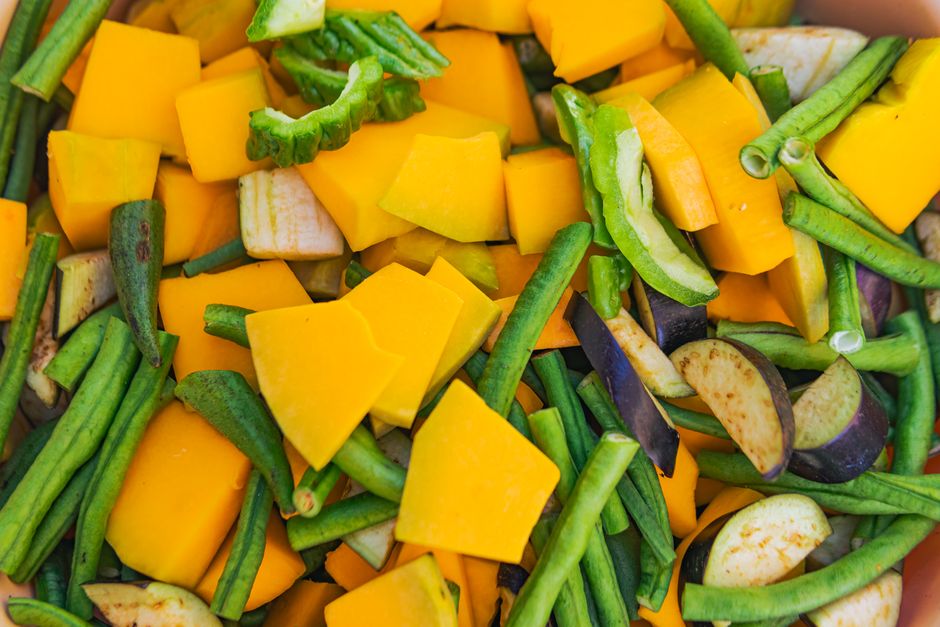
Chamorro food is the cooking of the Chamorro people, the Indigenous inhabitants of Guam and the Northern Mariana Islands. It blends foods grown and caught on the islands — rice, taro, breadfruit, coconut, fish, and meat — with cooking methods and ingredients brought by Spanish colonizers, Filipinos, and other Pacific islanders over centuries. The result is a cuisine built on salt, acid, fat, and fire, with a strong tradition of shared cooking and communal eating.
If you picture Pacific island food as mostly fruit and fish, Chamorro cooking will surprise you. Some of its most important dishes are heavy, sour, and smoky. Understanding why requires a look at the island’s history as much as its ingredients.
What Is Chamorro Food A Look At Guams Cuisine?
Chamorro food is the traditional and modern cuisine of Guam’s Indigenous people, shaped by thousands of years of Pacific island cooking and roughly three centuries of Spanish colonial influence. The core ingredients are rice, coconut, fish, chicken, pork, taro, breadfruit, and a souring agent made from a local fruit. Most Chamorro meals are built around a large pot of rice and a small number of strongly flavored dishes served alongside it.
The cuisine is often described as a Pacific-Asian-Spanish hybrid. That description is accurate but incomplete. The foundation is distinctly Micronesian. What changed over time was the seasoning and the methods, not the reliance on what the land and sea provide.
One detail worth knowing: Chamorro is both the name of the people and the language. The food is sometimes called Guamanian cuisine, but Chamorro is the term the people themselves use.
Where Did Chamorro Food Come From?
Chamorro cooking began long before any European arrived. The ancestors of the Chamorro people settled the Mariana Islands roughly 3,000 to 4,000 years ago, bringing with them root crops and cooking techniques that spread across the Pacific. Fishing, gathering, and farming on a small island produced a diet tied tightly to what was available.
Spanish colonization, which began in the late 1600s and lasted until the late 1800s, changed the cuisine permanently. The Spanish introduced foods from the Americas through the Manila galleon trade, including corn, tomatoes, and chili peppers. They also brought cooking styles and ingredients from Mexico and the Philippines, since Guam sat on a major trade route between them.
Later waves of influence came from Filipino workers, other Pacific islanders, and Americans. Each group left marks on the food. The vinegar-heavy, sour flavors in many Chamorro dishes are often traced to Filipino and Spanish cooking traditions, though souring with local fruit was already part of Pacific island cooking.
This layered history explains something that confuses visitors. Chamorro food does not look like one cuisine. It looks like several traditions that were absorbed into an island food system over centuries.
What Are the Most Important Chamorro Dishes?
A handful of dishes define Chamorro cooking. Most are served at family gatherings and fiestas rather than in everyday restaurants.
- Kelaguen — meat or seafood “cooked” in lemon or lime juice and mixed with grated coconut, green onion, and hot pepper. Chicken kelaguen is the most common version. The acid firms the protein the same way ceviche does.
- Red rice — rice cooked with annatto seed, which gives it a deep orange-red color and a mild, earthy flavor. It is the standard side dish at nearly every Chamorro meal.
- Fina’denne’ — a dipping sauce made from soy sauce, vinegar, and hot pepper. It sits on the table the way ketchup might elsewhere.
- Chicken adobo — chicken simmered in soy sauce, vinegar, and garlic. It is closely related to Filipino adobo and reflects the shared history between the two cuisines.
- Tinaktak — ground beef cooked with coconut milk, tomatoes, and green beans. It is a home-style dish more than a fiesta dish.
- Lumpia — fried spring rolls, a clear Filipino import that became a Chamorro party staple.
- Barbecue and grilled meat — pork ribs and chicken marinated in soy, vinegar, and citrus, cooked over fire. Fiesta plates almost always include some.
Seafood matters too. Reef fish, octopus, and shellfish appear in many dishes, often grilled or marinated. Coconut is used heavily, both grated and as milk, in curries and stews.
What Does Chamorro Food Taste Like?
Chamorro food is sour, salty, smoky, and rich. The dominant flavor is acidity, mostly from vinegar and citrus. That acidity cuts through the fat from coconut milk and grilled meat, which is why the two are paired constantly.
Heat is present but adjustable. Hot peppers are often served on the side or in sauces rather than cooked into every dish, so diners control their own spice level. Coconut milk adds a mild sweetness and a heavy texture. Annatto adds color and a faint earthy note but little flavor.
The overall impression is bold rather than delicate. Dishes are built to stand up to rice and to hold their flavor at a large outdoor gathering.
How Do People Eat in Guam?
Eating in Guam is communal by design. Fiestas, family gatherings, and holidays center on a table loaded with many dishes, and people eat together from shared platters rather than in courses. The fiesta plate is a recognizable format: rice, red rice, a meat dish, kelaguen, and something fried, all piled together.
This is not just a style of serving. Food is a way of showing hospitality and respect. Guests are expected to eat, and plenty of food signals care for the people at the table. Refusing food can read as a slight, though this varies by family.
Everyday eating is more casual. Rice with a single dish, or leftovers from a larger meal, is common. The elaborate cooking happens at celebrations.
Is Chamorro Food Healthy?
There is no single answer, because Chamorro food covers a wide range. Traditional ingredients like fish, taro, breadfruit, and fresh vegetables are nutritious. Fish provides protein and omega-3 fats, and root crops provide fiber and complex carbohydrates.
Many celebration dishes are high in sodium, saturated fat, and added sugar. Soy sauce, vinegar marinades, and processed meats add salt. Coconut milk is high in saturated fat. Fried foods and white rice dominate some plates. These are the dishes served most often at fiestas, not necessarily the everyday diet.
Guam, like many Pacific communities, faces high rates of type 2 diabetes and related conditions. The reasons are complex and include changes in diet, reduced physical activity, and economic factors, not any single food. It would be inaccurate to blame Chamorro cuisine itself. The more useful distinction is between traditional everyday eating patterns and the heavier fiesta foods.
Anyone managing blood sugar, blood pressure, or cholesterol can still enjoy Chamorro flavors. Choosing grilled fish over fried meat, going lighter on the dipping sauce, and filling more of the plate with vegetables are simple adjustments. These are general principles, not Chamorro-specific medical advice.
What Ingredients Should You Know?
A few ingredients come up again and again in Chamorro cooking. Knowing them makes the cuisine easier to understand and to cook at home.
- Annatto (achote) — a seed that gives red rice its color. It adds little flavor.
- Calamansi — a small, tart citrus used for juice and marinades. Lemon or lime works as a substitute.
- Coconut milk — used in curries, stews, and desserts. It adds richness and body.
- Vinegar — usually cane or white vinegar, the backbone of adobo and dipping sauces.
- Soy sauce — a key seasoning, reflecting the Asian influence on the cuisine.
- Hot peppers — often a small, fiery local pepper, served fresh or in sauce.
- Taro and breadfruit — traditional starches, still used in some dishes but partly replaced by rice.
Rice has largely replaced taro and breadfruit as the everyday starch. That shift says a lot about how the cuisine changed over time.
How Does Chamorro Food Compare to Other Pacific Cuisines?
Chamorro food shares a Pacific island base with other cuisines in the region but has its own distinct character. The table below compares the broad outlines. These are general patterns, not rules, and individual dishes vary widely.
| Cuisine | Main Starch | Signature Flavor | Notable Influence |
|---|---|---|---|
| Chamorro (Guam) | Rice, taro, breadfruit | Sour, salty, smoky | Spanish, Filipino, Pacific |
| Hawaiian | Taro, rice | Salty, sweet | Polynesian, American, Asian |
| Samoan | Taro, coconut | Coconut, savory | Polynesian |
| Filipino | Rice | Sour, salty, sweet | Spanish, Chinese, Malay |
The closest relative is Filipino cooking, largely because of shared colonial history and migration. The vinegar-forward flavor and the use of soy sauce connect the two. What sets Chamorro food apart is its Pacific foundation and the heavier use of coconut and local seafood.
Can You Make Chamorro Food at Home?
Yes, and the barrier is lower than it looks. Most core ingredients — rice, vinegar, soy sauce, coconut milk, garlic, lemon or lime, and chicken or fish — are sold in ordinary US grocery stores. Annatto for red rice is available in the international aisle or online.
Chicken kelaguen is a reasonable starting point. It needs no cooking heat and comes together quickly with lemon or lime juice, grated coconut, green onion, and hot pepper. Red rice is a simple side once you have annatto. Fina’denne’ takes minutes to mix.
Some ingredients are harder to source outside Guam or the Marianas, particularly certain local peppers and fresh seafood. Substitutions work, but the flavor will differ. That is true of every regional cuisine, not a flaw in Chamorro food.
For anyone interested in Pacific cooking, Chamorro food is a good entry point. It is bold, forgiving, and built around techniques that do not require special equipment.
Frequently Asked Questions
What is the national dish of Guam?
Guam has no single official national dish, but kelaguen and red rice are often named as the most iconic Chamorro foods. Chicken kelaguen, made by “cooking” chicken in citrus juice with coconut and hot pepper, is the dish most associated with the island.
Is Chamorro food spicy?
Chamorro food is often served with hot peppers, but the heat is usually added by the diner through sauces or fresh peppers on the side. The base dishes themselves are more sour and salty than spicy, so people can control how hot their food is.
What does kelaguen taste like?
Kelaguen tastes bright, tart, and fresh, with a creamy note from grated coconut and a kick from hot pepper. The citrus juice firms the meat or seafood and gives it a texture similar to ceviche.
Is Chamorro food the same as Filipino food?
No. The two cuisines share some history and flavors, including vinegar-based dishes and soy sauce, but Chamorro food has a distinct Pacific island foundation built on coconut, taro, breadfruit, and local seafood. Filipino cooking is a close relative, not the same cuisine.
