
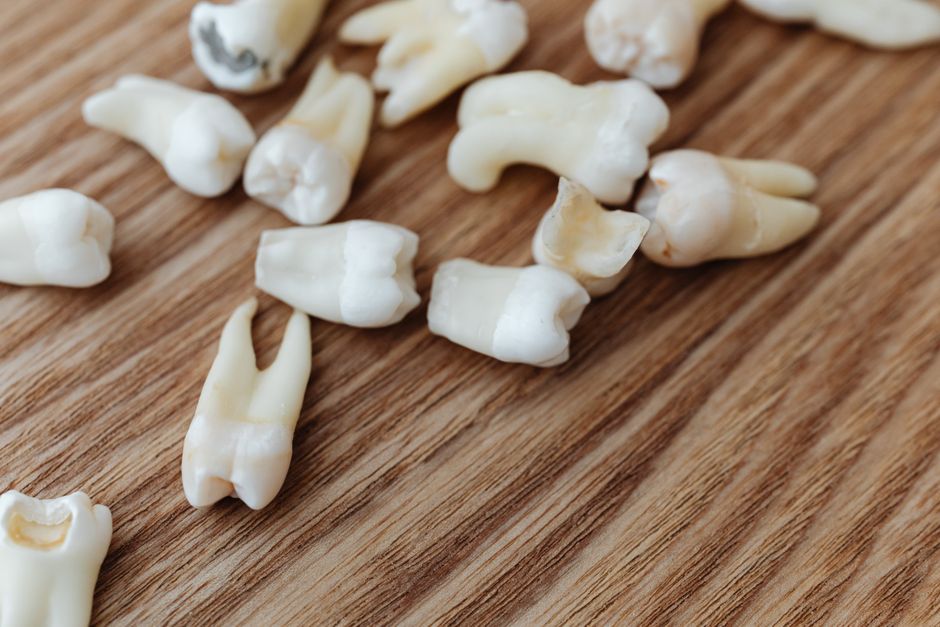
Cavities are one of the most common health problems in the world, and almost everyone will deal with them at some point. Caries in teeth is the medical term for tooth decay — the process where acids produced by bacteria in your mouth gradually break down a tooth’s hard surfaces. It starts silently, often with no pain at all, and can eventually reach the inner part of the tooth where the nerves and blood vessels sit.
Understanding how caries works matters because it is largely preventable, and early decay can often be stopped or reversed before it becomes a hole. This article explains what caries is, how it develops, what it feels like, and what actually helps prevent it.
What Is Caries In Teeth?
Caries is the disease process that damages a tooth. It is not simply a hole that appears one day. It is an ongoing chemical and bacterial process that can be active for months or years before you notice anything.
Your mouth contains hundreds of types of bacteria. Some of them feed on sugars and refined carbohydrates from food and drinks. When they do, they produce acid. That acid attacks the minerals in your tooth enamel — the hard outer layer. Over time, this repeated acid exposure pulls minerals out of the enamel, a process called demineralization. Your saliva can normally push minerals back in, which is called remineralization. Caries develops when demineralization happens more often than remineralization can keep up.
The word “caries” comes from the Latin word for decay. A cavity — the hole you can see or feel — is the late stage of the disease. By the time a cavity forms, the damage has been progressing for a while.
How Does Tooth Decay Actually Progress?
Tooth decay moves through distinct stages, and each one behaves differently. This is why catching caries early changes the outcome so much.
The first stage affects only the enamel. You may see a white or chalky spot on the tooth surface. At this point the enamel has lost minerals but the surface is still intact. This stage can often be reversed with fluoride and good oral care, because minerals can still move back into the enamel.
If the process continues, the acid breaks through the enamel and reaches the dentin — the softer layer underneath. Dentin is less resistant to acid, so decay spreads faster here. Many people start to feel sensitivity to sweets, cold, or heat at this stage.
From the dentin, bacteria can reach the pulp, the innermost chamber that holds nerves and blood vessels. This is when decay often becomes painful. The pulp can become inflamed, a condition dentists call pulpitis. If bacteria enter the pulp and it becomes infected, that is when an abscess or serious infection can develop.
One detail that surprises many people: once decay reaches the pulp, the tooth cannot heal itself. Enamel and dentin do not regrow the way skin does. That is why the goal is always to stop decay before it gets that far.
What Causes Caries In Teeth?
Caries does not have a single cause. It develops when several factors line up at the same time. Dentists sometimes describe this as the balance between protective and harmful forces in your mouth.
The harmful side includes acid-producing bacteria, frequent sugar or carbohydrate exposure, and reduced saliva flow. The protective side includes fluoride, saliva, good brushing and flossing, and minerals from your diet.
- Sugars and refined carbohydrates. Bacteria ferment these into acid. How often you eat matters as much as how much — frequent snacking keeps acid levels high.
- Poor oral hygiene. Not removing plaque regularly lets bacteria stay in contact with teeth.
- Low saliva flow. Saliva neutralizes acid and washes away food. Dry mouth raises caries risk.
- Fluoride exposure. Less fluoride means weaker enamel that dissolves more easily.
- Acidic drinks. Soda, sports drinks, and even some juices add acid directly to the mouth.
Certain medications, some medical conditions, and treatments that reduce saliva can raise risk. So can habits like sipping sugary drinks slowly over hours, which keeps teeth bathed in acid.




What Are the Symptoms of Caries?
Early caries usually causes no symptoms at all. This is the single most important thing to understand about it. You cannot rely on pain to tell you whether decay is present.
As decay advances, symptoms may include:
- A visible white, brown, or black spot on a tooth
- Sensitivity to sweet foods, cold, or hot drinks
- A rough or softened area you can feel with your tongue
- A visible hole or pit in the tooth
- Pain when biting down
- Persistent toothache, which often signals deeper involvement
Pain that comes and goes can be misleading. It does not mean the problem has resolved. Sometimes decay continues quietly even when discomfort fades.
Because early caries is silent, regular dental checkups matter more than symptoms do. A dentist can often find decay on an X-ray or with a visual exam long before you feel anything.
How Is Caries Treated?
Treatment depends entirely on how far the decay has progressed. There is no single approach that fits every stage.
For early enamel decay — the white spot stage — a dentist may recommend fluoride treatments and improved home care rather than drilling. In some cases, this can stop or reverse the mineral loss.
Once a cavity has formed in the dentin, it generally needs to be removed and filled. The dentist takes out the decayed material and restores the tooth, often with a composite resin or amalgam filling.
If decay has reached the pulp, a root canal may be needed. This removes the infected pulp, cleans the inside of the tooth, and seals it. A crown is often placed afterward to protect the weakened tooth.
When decay is severe and the tooth cannot be saved, extraction may be the only option. This is why early treatment matters — the range of options shrinks as decay advances.
It is worth being clear about one thing: no home remedy removes an established cavity. Once a hole has formed, it does not close on its own. Products marketed as cavity “repair” without dental treatment have not been shown to rebuild lost tooth structure.
How Can You Prevent Caries?
Prevention works on the same balance that causes caries — you reduce the harmful forces and strengthen the protective ones. This is well established and supported by decades of dental research.
- Brush twice daily with fluoride toothpaste. Fluoride strengthens enamel and helps reverse early mineral loss.
- Clean between teeth daily. Flossing or using interdental brushes removes plaque from areas a toothbrush cannot reach.
- Limit how often you eat sugar. Frequency matters more than total amount. Constant snacking keeps acid levels high.
- Drink water, especially after meals. It helps wash away food and acid.
- See a dentist regularly. Checkups catch decay before it becomes painful or expensive to treat.
- Consider fluoride mouthwash or professional fluoride treatments if your dentist recommends them, particularly if you are at higher risk.
Dental sealants can help protect the deep grooves on the chewing surfaces of back teeth, where decay often starts. They are commonly recommended for children, and some adults benefit too.
One clarification worth making: sugar-free gum sweetened with xylitol may help reduce caries risk by stimulating saliva, but it is not a substitute for brushing and it does not remove existing decay. The evidence supports it as a small supporting measure, not a standalone solution.
Who Is Most at Risk?
Anyone can develop caries, but some people face higher risk. Knowing where you stand helps you decide how aggressive your prevention should be.
Risk tends to be higher in people with dry mouth, whether from medications, medical conditions, or aging. It is also higher in people who consume sugary foods and drinks frequently, those with limited access to dental care, and those with a history of previous cavities.
Children and older adults are often more vulnerable. In children, newly erupted teeth are still maturing. In older adults, receding gums expose the softer root surfaces, which decay more easily than enamel.
Some medical conditions and treatments that reduce saliva flow also raise risk. If you take medications that cause dry mouth, it is worth discussing with your dentist or doctor how to manage it.
Frequently Asked Questions
Can caries in teeth heal on its own?
Early enamel decay — the white spot stage — can sometimes be reversed with fluoride and good oral care, because minerals can move back into the enamel. Once a cavity has formed in the dentin, it cannot heal on its own and needs dental treatment.
Is caries the same as a cavity?
Caries is the disease process of tooth decay, while a cavity is the hole that forms in the later stages of that process. In other words, a cavity is the result of caries, not the whole disease.
Does sugar directly cause caries?
Sugar itself does not damage teeth directly. Bacteria in the mouth ferment sugar into acid, and that acid dissolves tooth minerals — so sugar drives the process, but indirectly through bacteria.
How often should I see a dentist to prevent caries?
Many dentists recommend checkups at regular intervals, often every six months, but the right schedule depends on your individual risk. People at higher risk may need more frequent visits, so it is best to follow your dentist’s advice.
