
Cardiac amyloidosis is a disease in which abnormal proteins build up in the heart muscle. These proteins form stiff deposits that make the heart walls thick and less able to relax and fill with blood. The condition is underdiagnosed, often mistaken for high blood pressure or normal aging, and it tends to get worse over time.
What Is Cardiac Amyloidosis?
Amyloidosis is a group of disorders where a protein called amyloid folds incorrectly and collects in tissues. When that happens in the heart, it is called cardiac amyloidosis.
The deposits settle between the muscle cells. This makes the heart wall thick and stiff. The muscle does not pump weakly in the way it does in many other heart diseases. Instead, the main problem is that the heart cannot relax properly between beats. Doctors call this a restrictive pattern.
Because the stiff heart cannot fill with enough blood, pressure builds up behind it — in the lungs and in the veins of the body. That is why people with this condition often feel short of breath and retain fluid, even when the pumping function looks normal on a standard test.
There are two main proteins involved, and telling them apart matters because the causes and treatments are different. The two types are AL amyloidosis and ATTR amyloidosis.
What Are the Signs and Symptoms of Cardiac Amyloidosis?
The symptoms are often vague at first and easy to blame on age or other conditions. Shortness of breath with activity is common. So is swelling in the legs and ankles. Fatigue that does not match your activity level is another frequent sign.
Some people notice they cannot lie flat without feeling breathless. Others have a racing or irregular heartbeat. Dizziness or fainting can occur, especially with exertion.
There are clues outside the heart that doctors look for. These include:
- Carpal tunnel syndrome, sometimes in both hands, often years before heart symptoms appear
- Numbness or tingling in the hands and feet
- A thickened tongue or difficulty swallowing, mostly in AL amyloidosis
- Easy bruising, particularly around the eyes
- An irregular heartbeat, often atrial fibrillation
One detail that surprises many people: carpal tunnel surgery years before heart problems can be an early clue, especially in the ATTR type. The same protein that later builds up in the heart can deposit in the wrist tissue first. This does not mean everyone who has carpal tunnel surgery has amyloidosis — far from it. But when it appears alongside heart findings, it is worth mentioning to a doctor.
These symptoms overlap with many other conditions. High blood pressure, kidney disease, and normal aging can all cause breathlessness and swelling. That overlap is a big reason the diagnosis is often delayed.
What Are the Types of Cardiac Amyloidosis?
Two types account for most cases, and they differ in cause, typical patient, and treatment.
AL amyloidosis (also called light chain amyloidosis) is not caused by a problem in the heart itself. It starts with abnormal plasma cells in the bone marrow — the same cells involved in multiple myeloma. These cells make misfolded antibody fragments called light chains that travel in the blood and deposit in organs, including the heart. AL amyloidosis can affect adults of any age and is often more aggressive. It needs to be identified quickly because it can progress fast.
ATTR amyloidosis (transthyretin amyloidosis) involves a different protein made mostly in the liver. It comes in two forms:
- Wild-type ATTR — the protein is normal but becomes unstable with age and deposits over time. It affects mostly older adults, and is more common in men.
- Hereditary ATTR — a gene change causes the protein to misfold. It runs in families and can appear earlier in life.
Getting the type right is not a technicality. AL and ATTR are treated in completely different ways, and some therapies for one type are useless — or even harmful — for the other.
How Is Cardiac Amyloidosis Diagnosed?
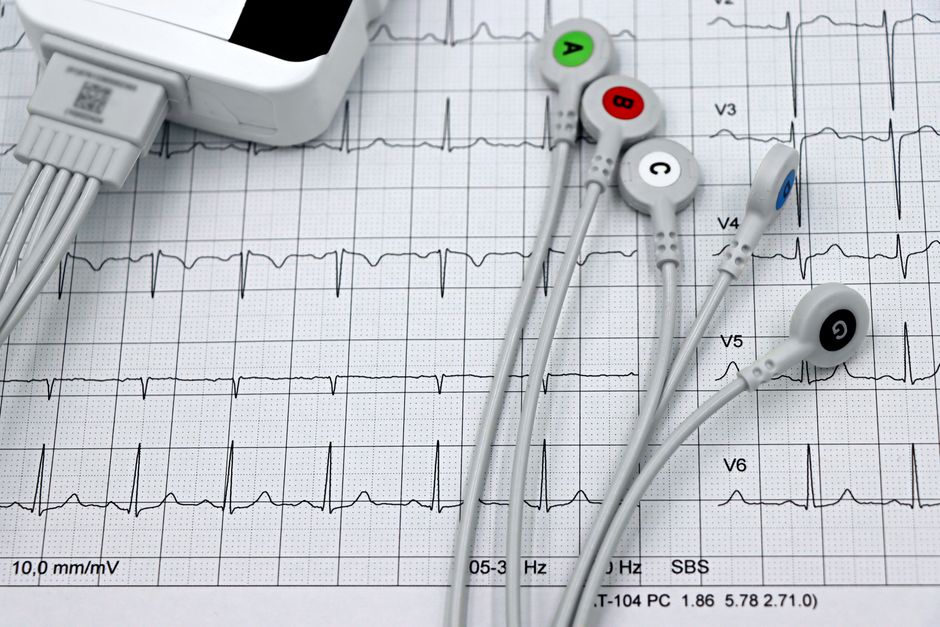
Diagnosis usually starts with a physical exam and tests that show a stiff, thickened heart. An echocardiogram often shows thickened walls and signs of high filling pressure. An electrocardiogram may show low voltage or patterns that seem to conflict with the thick walls seen on the echo — a mismatch that raises suspicion.
Blood and urine tests check for abnormal light chains. If AL amyloidosis is suspected, a doctor may take a small tissue sample (a biopsy) to confirm it.
For ATTR amyloidosis, there is now a way to diagnose many cases without a biopsy of the heart. A special nuclear medicine scan, sometimes called a PYP or DPD scan, can show ATTR deposits in the heart. When combined with blood tests that rule out AL amyloidosis, this scan can confirm ATTR in many patients. This is a genuine advance — earlier generations of doctors often needed an invasive heart biopsy to be sure.
Even so, the diagnosis is frequently missed. The symptoms look like other, more common heart problems, and many clinicians are not used to looking for it. If you have unexplained heart thickening, especially with carpal tunnel syndrome, family history, or intolerance to certain blood pressure medicines, it is reasonable to ask whether amyloidosis has been considered.
How Is Cardiac Amyloidosis Treated?
Treatment has two goals: treat the underlying protein problem, and manage the heart and fluid symptoms.
For AL amyloidosis, the focus is on stopping the abnormal plasma cells from making light chains. This typically involves chemotherapy, sometimes with a stem cell transplant, guided by a blood cancer specialist. The heart can improve if the light chain production is controlled early.
For ATTR amyloidosis, newer drugs can slow the buildup of the protein. Some stabilize the transthyretin protein so it does not misfold as easily. Others reduce how much of the protein the liver makes. These treatments have changed the outlook for ATTR, though they slow the disease rather than reverse damage already done. Access, cost, and which drug fits which patient are real practical issues, and the field is still evolving.
Managing the heart itself matters just as much. This often includes:
- Diuretics to remove extra fluid and ease breathlessness and swelling
- Careful use of blood pressure and heart rate medicines, because a stiff heart can be sensitive to them
- Treatment of atrial fibrillation and other rhythm problems, sometimes with blood thinners
- Monitoring for a slow heart rate that may need a pacemaker
One caution worth knowing: some standard heart failure medicines are less effective, or poorly tolerated, in this condition, and certain calcium channel blockers and digoxin can be risky. That is why care from a team familiar with amyloidosis matters. Standard heart failure treatment does not automatically transfer here.
For selected patients with advanced disease, a heart transplant may be considered. This is not an option for everyone and depends on the type, the person’s overall health, and other organ involvement.
What Is the Outlook for Someone With Cardiac Amyloidosis?
The outlook varies widely by type, how advanced the disease is at diagnosis, and how well the underlying protein problem can be controlled. AL amyloidosis that is caught and treated early can improve. ATTR amyloidosis tends to progress slowly, and the newer therapies have improved how long people live and how well they feel, though the disease is generally long-term.
I will be honest about what the evidence does and does not show. The treatments available today slow the disease and ease symptoms. They do not reverse damage that has already happened, and long-term outcomes for many patients remain serious. Anyone who promises a cure is overstating what is known.
Early recognition remains the single biggest factor people can influence, mostly by raising the question with their doctors when symptoms do not fit the usual explanations.
Frequently Asked Questions
What is the life expectancy of someone with cardiac amyloidosis?
It varies widely by type and stage, so no single number applies to everyone. AL amyloidosis can progress quickly if untreated, while ATTR often moves more slowly, and newer treatments have improved outcomes.
Is cardiac amyloidosis curable?
No, current treatments slow the disease and manage symptoms but do not reverse damage already done. Some people improve when the underlying protein problem is controlled early, especially in AL amyloidosis.
What is the difference between AL and ATTR cardiac amyloidosis?
AL comes from abnormal plasma cells making misfolded light chains, while ATTR comes from the transthyretin protein. They need different tests and completely different treatments, so telling them apart is essential.
Can cardiac amyloidosis be mistaken for high blood pressure?
Yes, thickened heart walls from long-standing high blood pressure look similar on an echocardiogram. Clues like carpal tunnel syndrome, family history, or a mismatch between the echo and the electrocardiogram can point toward amyloidosis instead.
