
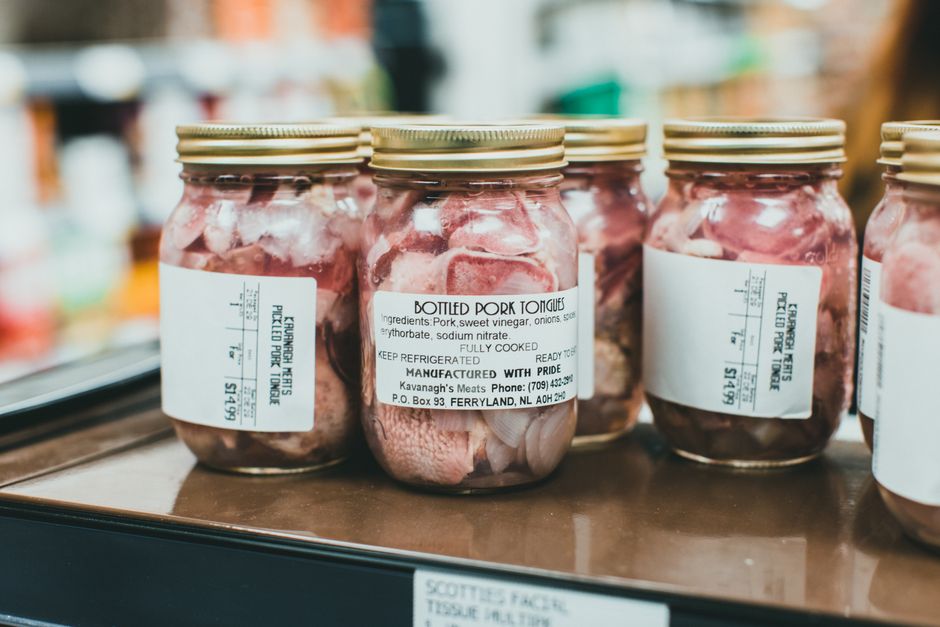
Canned meat is cooked meat sealed in a can, then heated again inside that sealed can to sterilize it. That second heating is what makes it shelf-stable for years without refrigeration. The nutrition you get depends heavily on the type — canned chicken, tuna, Spam, corned beef, sardines, and Vienna sausages differ widely in protein, sodium, and fat. Shelf life is long but not infinite, and quality fades before safety does.
What Is Canned Meat Types Nutrition And Shelf Life?
Canned meat is meat that has been prepared, packed into a can, sealed, and heat-treated to kill the bacteria that cause spoilage and foodborne illness. The canning process is the reason these products can sit on a pantry shelf for years.
Nutrition varies enormously by type. A can of water-packed tuna and a can of Spam are both “canned meat” but have little else in common. Tuna is lean and high in protein. Spam is high in fat and sodium. Sardines are small fish packed with bones, which changes their mineral content. Chicken, corned beef, Vienna sausages, and canned ham each land somewhere different on that spectrum.
Shelf life is set by the canning process, not by added preservatives in most cases. The heat treatment and the vacuum seal do the work. Typical unopened cans stay at good quality for two to five years, and many remain safe well beyond that if the can is undamaged and stored properly. The dates on the can are about quality, not safety.
How Does the Canning Process Preserve Meat?
Canning works by removing oxygen and applying enough heat to destroy the organisms that would otherwise spoil the meat or make you sick. The sealed can keeps that sterile environment intact.
The critical target is Clostridium botulinum, the bacterium that causes botulism. Its spores survive ordinary cooking temperatures. Commercial canning uses a pressurized process — retort canning — that reaches temperatures well above the boiling point of water, which is what destroys those spores. This is why home canning of low-acid foods like meat requires a pressure canner, not a water bath. The USDA and FDA both stress this distinction because botulism from improperly canned meat is rare but serious.
Once the can is sealed and cooled, the vacuum inside prevents new bacteria from entering. As long as the seal holds and the can is not damaged, the contents stay commercially sterile. That is the whole basis of the shelf life.
One clarification worth knowing: most canned meats do not rely on chemical preservatives for safety. Some products add nitrites for color and flavor and to inhibit certain bacteria, but the canning itself is the preservative.
How Do Canned Meat Types Compare Nutritionally?
The range across canned meats is wide. Lean fish and chicken sit at one end. Processed meats like Spam, corned beef, and Vienna sausages sit at the other, with far more fat and sodium.
Here is a rough comparison of common types per typical serving. Exact values shift by brand and pack, so treat these as general ranges rather than fixed numbers.
| Type | Protein | Fat | Sodium | Notes |
|---|---|---|---|---|
| Tuna, water-packed | High (~20-25 g per 3 oz) | Low | Moderate | Lean; low in saturated fat |
| Sardines, in oil or water | High | Moderate to high | Moderate to high | Bones add calcium; rich in omega-3s |
| Canned chicken | High | Low to moderate | Moderate to high | Often higher sodium than fresh |
| Spam | Moderate | High | High | High in saturated fat and sodium |
| Corned beef | Moderate to high | High | High | High in saturated fat and sodium |
| Vienna sausages | Moderate | High | High | Processed; high in sodium |
The pattern is consistent: the more processed the product, the higher the sodium and saturated fat tend to be. Canned fish is the standout. Sardines and salmon with bones are one of the few convenient sources of calcium and omega-3 fatty acids in a pantry-stable form.
Protein content also matters for satiety and for people watching their intake. Water-packed tuna and canned chicken deliver a lot of protein for relatively few calories. Spam and sausages deliver protein too, but bundled with considerably more fat.
Is Canned Meat Healthy?
It depends entirely on which canned meat and how often. Canned fish and chicken can be part of a balanced diet. Heavily processed canned meats are better treated as occasional foods.
The strongest concerns are sodium and saturated fat. Many canned meats are high in sodium, and diets high in sodium are linked to elevated blood pressure in people who are salt-sensitive. Processed meats in general have been associated in large observational studies with higher long-term health risks, though these studies cannot prove cause and effect. The World Health Organization’s cancer agency has classified processed meat as a Group 1 carcinogen, meaning the evidence for a link to colorectal cancer is considered strong. That classification applies to processed meat broadly, including canned processed meats.
This does not mean a can of corned beef is dangerous. It means frequency and portion matter. Canned fish and chicken sit in a different category and can reasonably appear in the diet more often.
For people watching sodium, look for “no salt added” or “low sodium” versions of tuna, chicken, and sardines. Draining and rinsing canned meat can reduce surface sodium somewhat, though it will not remove what is bound inside the meat.
How Long Does Canned Meat Last?
Unopened canned meat stays at best quality for roughly two to five years, and often longer. The date stamped on the can is a quality date, not a safety cutoff.
Federal food safety guidance is clear that canned foods stored under proper conditions remain safe well past their date as long as the can is in good shape. The USDA notes that canned goods kept at moderate temperatures stay safe indefinitely in terms of spoilage risk, though flavor, texture, and color degrade over time. Storage above 75°F speeds that decline. Cool, dry storage is best.
The safety line is the can itself, not the calendar. A bulging can, a badly dented seam, a leak, or a foul smell when opened are reasons to discard the product without tasting it. A bulging can is a particular red flag because it can signal gas-producing bacteria. When in doubt, throw it out — botulism toxin is not destroyed by ordinary reheating.
Once opened, canned meat is no longer shelf-stable. Transfer leftovers to a covered container and refrigerate. Most opened canned meats keep for a few days in the refrigerator; follow the label or general food safety guidance for the specific product.
What Should You Look For When Buying Canned Meat?
Read the label for the three things that vary most: sodium, saturated fat, and added ingredients. Those tell you more about the product than the front of the can does.
- Sodium: Compare brands. “Low sodium” and “no salt added” versions exist for tuna, chicken, and sardines.
- Packed in water vs. oil: Water-packed fish is lower in fat and calories. Oil-packed can taste richer but adds fat.
- Ingredient list: Shorter lists generally mean less processing. Watch for added sugars, starches, and flavorings in some products.
- Can condition: Reject dented, bulging, or leaking cans at the store.
- Bones in fish: Sardines and salmon packed with bones add calcium. If you avoid them, check the label.
For pantry stock, lean canned fish and chicken offer the most nutritional value per shelf. Processed meats are fine in moderation but are not the products to build regular meals around.
Frequently Asked Questions
Is it safe to eat canned meat past its expiration date?
Yes, if the can is undamaged and has been stored in a cool, dry place, because the date reflects quality rather than safety. Discard any can that is bulging, leaking, or badly dented.
Which canned meat is the healthiest?
Canned fish such as sardines, salmon, and water-packed tuna, along with canned chicken, tend to be the leanest and lowest in saturated fat. Processed meats like Spam and Vienna sausages are higher in sodium and saturated fat.
Does canned meat contain preservatives?
Most canned meats are preserved by the canning process itself, which sterilizes the contents and seals out bacteria. Some products add nitrites for color and flavor, but the heat treatment and vacuum seal are what make them shelf-stable.
How should I store canned meat after opening?
Transfer any leftovers to a covered container and refrigerate them, since the meat is no longer shelf-stable once the seal is broken. Follow the label or general food safety guidance for how many days it keeps.
