
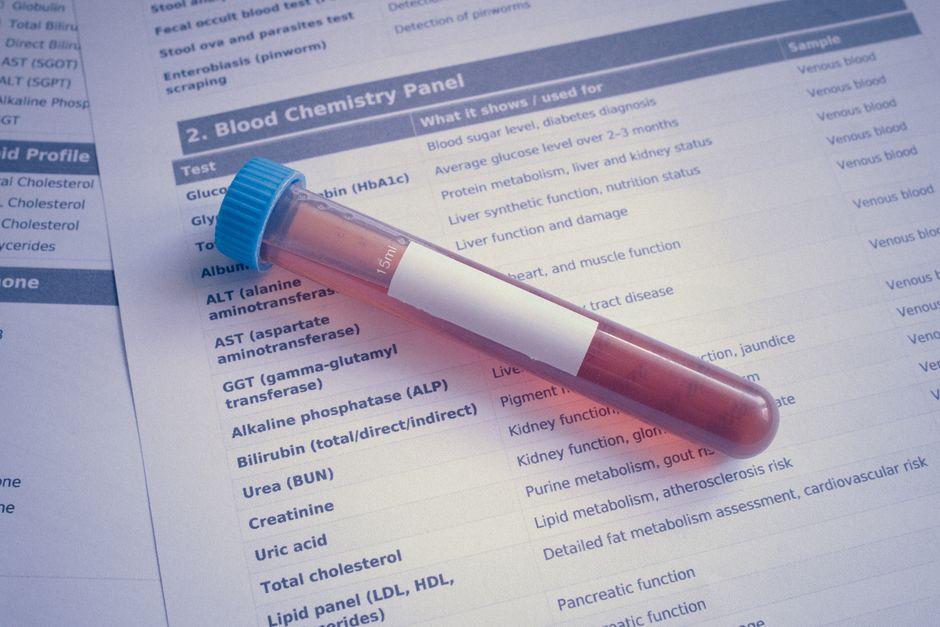
A C protein test measures C-reactive protein (CRP), a protein your liver releases into the bloodstream when inflammation is present. It is not a test for any single disease. It is a general signal that something in the body is inflamed, which is why doctors use it alongside other tests rather than on its own. The name can be confusing because “C protein” is shorthand for C-reactive protein, and the two terms mean the same thing.
What Is C Protein Test and What Does It Actually Measure?
A C protein test measures the amount of C-reactive protein in a sample of blood. CRP is produced by the liver in response to inflammation anywhere in the body.
Inflammation is a normal immune response. When tissues are injured or infected, immune cells release signaling molecules called cytokines. Those signals tell the liver to make CRP. The protein then travels through the blood and helps the immune system recognize and respond to damaged cells and certain microbes.
So CRP is a marker, not a cause. A high result tells you inflammation is happening. It does not tell you where the inflammation is or what is driving it. That is the central limitation of this test, and it is worth understanding clearly.
The test itself is simple. A small blood sample is drawn from a vein, usually in the arm. The sample goes to a lab, and results are typically reported in milligrams per liter (mg/L).
What Is a Normal CRP Level?
For a standard CRP test, many labs use a reference range where a result below about 10 mg/L is considered normal or not significantly elevated. Reference ranges can vary slightly between laboratories, so the range printed on your own report matters most.
There is a separate version of the test called high-sensitivity CRP (hs-CRP). It detects much lower levels and is used differently. For hs-CRP, results are often grouped into categories that relate to cardiovascular risk rather than to acute inflammation.
One clarification that gets lost in a lot of online information: a normal CRP does not rule out disease, and a mildly elevated CRP does not confirm it. The test is a clue, not a verdict.
Why Would a Doctor Order a C Protein Test?
Doctors order CRP for several reasons, and the context changes what the result means.
- To help detect or monitor an infection, especially when the source is unclear
- To track inflammation in known conditions such as rheumatoid arthritis or inflammatory bowel disease
- To help assess conditions like pneumonia or pelvic inflammatory disease
- To monitor how well a treatment for inflammation is working
- As part of cardiovascular risk assessment, using the high-sensitivity version
The test is rarely ordered alone. It is usually combined with a physical exam, your symptoms, and other blood work. A doctor reading a CRP result is asking a specific question, and the number only makes sense in that context.





What Does a High CRP Level Mean?
A high CRP means inflammation is present somewhere in the body. That is the honest extent of what it tells you.
Many conditions can raise CRP. Infections, autoimmune diseases, tissue injury, and some cancers can all do it. A high result does not point to one of these over another. This is why the test is described as nonspecific.
The degree of elevation can offer some general guidance. Very high levels are more often seen with significant acute infection or major inflammation. Mild elevations are common and can come from many sources, including minor illness, recent injury, or chronic conditions.
What a single number cannot do is identify the cause. Two people with the same CRP level can have completely different problems. The level alone does not distinguish between them.
It is also worth knowing that CRP rises and falls relatively quickly. It can climb within hours of an inflammatory trigger and drop as the trigger resolves. That behavior is what makes it useful for tracking change over time.
How Does CRP Compare to Other Inflammation Tests?
CRP is not the only marker of inflammation. Another common one is the erythrocyte sedimentation rate (ESR), sometimes just called “sed rate.”
| Test | What it measures | General behavior |
|---|---|---|
| CRP | Level of C-reactive protein in blood | Rises and falls relatively quickly |
| hs-CRP | Very low levels of CRP | Used for cardiovascular risk grouping |
| ESR | How fast red blood cells settle in a tube | Changes more slowly, affected by other blood factors |
Doctors sometimes order both CRP and ESR together. They respond to inflammation on different timelines and can be affected by different things, so the pair can give a fuller picture than either alone.
What Is the High-Sensitivity CRP Test Used For?
The high-sensitivity CRP test measures the same protein but detects much smaller amounts. It is used to estimate cardiovascular risk in people who do not have obvious inflammation.
Large studies have found that people with higher hs-CRP levels tend to have a higher risk of heart attack and stroke, even when cholesterol levels look normal. This is why some clinicians order it as part of a broader risk assessment.
There is an important limit here. hs-CRP adds information to a risk picture, but it does not replace standard risk factors like blood pressure, cholesterol, smoking, and diabetes. It is a piece of the puzzle, not the whole thing.
Whether hs-CRP should be tested routinely in everyone is still debated. Some guidelines support its use in selected people to help refine risk estimates. Others do not recommend it for everyone. If you are unsure whether it applies to you, that is a question for your doctor, not something to decide from a single article.
Can CRP Tell You If You Have a Specific Disease?
No. CRP cannot diagnose a specific disease on its own.
This is the most common misunderstanding about the test. People see a high number and assume it points to a particular condition. It does not. A high CRP can come from a routine infection, a flare of an autoimmune disease, or something more serious, and the number does not separate these.
Diagnosis comes from the full picture: your symptoms, your history, a physical exam, and other targeted tests. CRP contributes to that picture but does not define it.
What Affects CRP Levels Besides Inflammation?
Several things can shift CRP levels, and knowing them helps you interpret a result more accurately.
- Body weight: higher body fat is linked to mildly higher CRP levels
- Smoking: can raise CRP
- Pregnancy: can raise CRP
- Certain medications: some can lower it
- Age and sex: levels can vary somewhat across groups
- Recent intense exercise or injury: can cause temporary rises
These factors do not change what CRP is. They change how you read a single result. A number that looks elevated might partly reflect one of these influences rather than an active disease process.
Does a Normal CRP Mean Nothing Is Wrong?
A normal CRP does not guarantee you are healthy. It means the marker is not elevated at the time of the test.
Some conditions do not raise CRP much or at all. Certain autoimmune diseases, for example, can be active while CRP stays relatively normal. The test is a tool, and like any tool it has blind spots.
This is why doctors do not rely on CRP alone to rule conditions in or out. A normal result is one piece of information among many.
What Happens During and After the Test?
The test requires a standard blood draw. A healthcare professional cleans the skin, inserts a needle into a vein, and collects a small vial of blood. The process takes a few minutes. Most people feel a brief pinch.
Results usually come back within a day or so, depending on the lab. If your CRP is elevated, your doctor will likely look at it alongside your symptoms and other test results to figure out what is going on. Sometimes the next step is more testing. Sometimes it is monitoring over time to see whether the level changes.
If you are tracking a known condition, your doctor may compare today’s result to earlier ones. The trend can be more informative than any single number.
Frequently Asked Questions
What is a C protein test used for?
It is used to detect and monitor inflammation in the body. Doctors use it alongside other tests because it does not identify a specific cause on its own.
What is a normal CRP level?
Many labs consider a result below about 10 mg/L to be normal for the standard CRP test. Reference ranges can vary between labs, so check the range on your own report.
Can a high CRP level mean cancer?
Some cancers can raise CRP, but so can many common conditions like infections and autoimmune diseases. A high result does not indicate cancer by itself and requires further evaluation.
Does a normal CRP mean I have no inflammation?
Not necessarily. Some conditions can be active without raising CRP much, so a normal result does not rule out all problems.
