
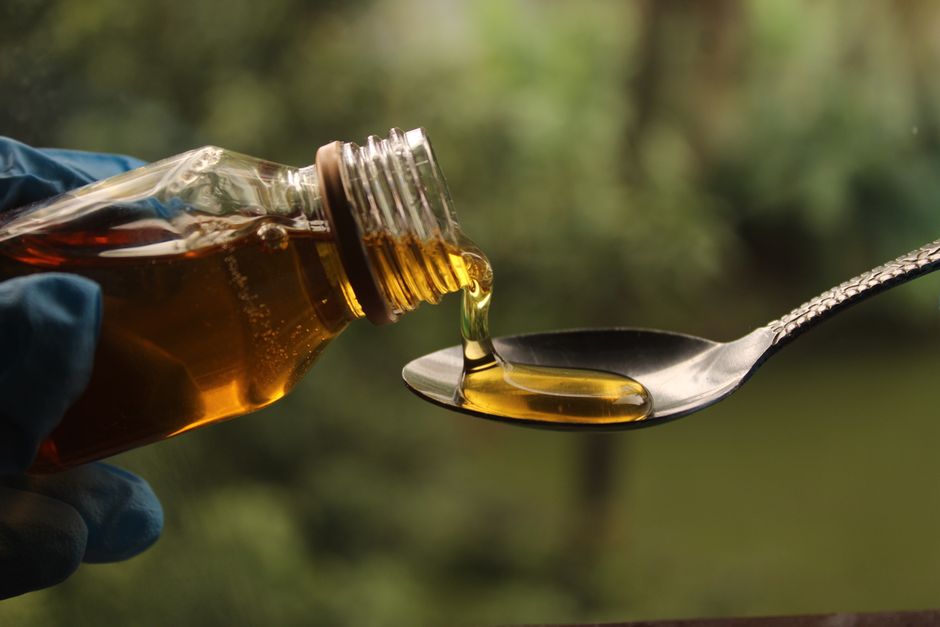
Brown rice syrup is a sweetener made by breaking down the starch in cooked brown rice into sugars. It is used in baked goods, granola bars, and some “natural” processed foods, and it is often marketed as a healthier alternative to white sugar. Nutritionally, it is still a concentrated sugar — mostly glucose and maltose — and it carries a specific concern about arsenic that other sweeteners do not.
What Is Brown Rice Syrup Uses Nutrition And Risks?
Brown rice syrup is a liquid sweetener produced by adding enzymes to cooked brown rice. The enzymes break the rice starch into smaller sugars, and the result is a thick, amber syrup with a mild, butterscotch-like flavor.
The enzymes traditionally used in this process come from barley, which means brown rice syrup is not always gluten-free even though rice itself is. Some manufacturers now use gluten-free enzyme sources, but you should not assume it unless the label says so.
Chemically, the syrup is a mix of sugars. Glucose and maltose usually make up most of it, with smaller amounts of other sugars depending on how far the breakdown goes. That matters because it affects how the body handles it — more on that below.
How Is Brown Rice Syrup Made?
The process is essentially controlled digestion of starch. Cooked rice starch is exposed to enzymes that snip the long starch chains into shorter sugar molecules. The mixture is then filtered and concentrated into a syrup.
Historically, the enzymes came from sprouted barley. This is why older sources and some current products flag barley as an ingredient. Modern production sometimes uses microbial enzymes instead, which avoids the gluten issue entirely. The label is the only reliable way to know which process was used.
This is worth understanding because it explains two things people find confusing. First, why a rice product can contain gluten. Second, why the sugar profile varies between brands — the extent of enzyme breakdown determines how much glucose versus maltose ends up in the final syrup.
What Is the Nutrition Profile of Brown Rice Syrup?
Brown rice syrup is almost entirely carbohydrate, and almost all of that carbohydrate is sugar. It contains essentially no protein, no fat, and no fiber. It also has very little of the vitamins and minerals found in whole brown rice, because those are largely lost or diluted during processing.
A common assumption is that because it comes from whole grain rice, it retains the grain’s nutrients. It does not. The refining process strips most of that away, leaving a sweetener that behaves nutritionally much like other syrups.
The sugar composition is the key detail. Brown rice syrup tends to be high in glucose and maltose, which are absorbed quickly. This gives it a high glycemic impact — meaning it can raise blood sugar rapidly. That is not a reason to panic, but it is a reason not to treat it as a slow-release “complex carbohydrate” just because it started as rice.
Per tablespoon, most commercial brown rice syrups provide roughly 60 to 70 calories and about 15 to 17 grams of sugar, though exact values vary by brand. Compare that to table sugar, which provides about 49 calories and 12 grams of sugar per tablespoon. Brown rice syrup is not lower in sugar or calories in any meaningful way.
Is Brown Rice Syrup Healthier Than Sugar?
No. Brown rice syrup is not a healthier swap for table sugar. It is a concentrated sugar with a similar calorie load and, in some respects, a faster blood sugar impact.
Marketing often leans on words like “natural” and “unrefined,” which sound meaningful but are not regulated health claims. Table sugar is also natural. The word tells you nothing about how the body responds.
Some people choose brown rice syrup because they believe it has a lower glycemic index than white sugar. The evidence does not support that. Because it is high in glucose and maltose, its glycemic impact tends to be high — in some measurements higher than sucrose. Anyone managing blood sugar should treat it the same way they treat any added sugar.
There is one legitimate use case: it is a useful ingredient in certain recipes. It is less sweet than sugar, holds moisture well, and helps bind granola and baked goods. That is a culinary reason, not a health reason.
What Are the Risks of Brown Rice Syrup?
The main risks are added sugar intake and, more specifically, arsenic exposure. Both are worth understanding plainly.
Added sugar. Brown rice syrup counts as added sugar. Diets high in added sugar are associated with weight gain, dental cavities, and increased risk of type 2 diabetes and heart disease. The concern is total added sugar intake, not the specific type. Swapping one sugar for another does not change that math.
Arsenic. Rice plants take up inorganic arsenic from soil and water more readily than most other crops. This is a well-documented characteristic of rice farming, and it is why rice-based products can carry higher arsenic levels than products made from other grains. Brown rice syrup, being a concentrated rice product, can contain measurable inorganic arsenic.
This does not mean occasional use is dangerous. The concern is cumulative exposure, especially for people who eat many rice-based products, and especially for infants and young children, who are more vulnerable to arsenic’s effects on development. Regulatory bodies and health organizations have advised limiting rice-based foods for infants and young children for this reason.
If you are pregnant, breastfeeding, or feeding a young child, this is a category where general caution is warranted. Guidance on rice and arsenic in these groups is established and specific, and it is not the place for guesswork. Check current official guidance rather than relying on general impressions.
Where Is Brown Rice Syrup Used?
It shows up most often in products marketed as natural or health foods. Common places to find it include:
- Granola bars and cereal bars
- Breakfast cereals and granola
- Baked goods and cookies
- Some energy bars and protein bars
- Certain “natural” candies and snacks
- Some infant and toddler snacks, which is a particular concern given arsenic exposure
The pattern is telling. Brown rice syrup is frequently used to let a product carry a “no refined sugar” or “naturally sweetened” label. Nutritionally, the product is often still a high-sugar food. Reading the added sugar line on the nutrition facts panel is more useful than reading the ingredient name.
How Does Brown Rice Syrup Compare to Other Sweeteners?
No common caloric sweetener is meaningfully “healthy.” They differ in flavor, how they behave in recipes, and their sugar composition — but all of them are added sugar. The table below gives a rough comparison of the most common options.
| Sweetener | Main sugars | Approx. calories per tbsp | Notes |
|---|---|---|---|
| Brown rice syrup | Glucose, maltose | ~60–70 | High glycemic impact; may contain arsenic; may contain gluten from barley enzymes |
| Table sugar (sucrose) | Glucose + fructose | ~49 | Standard reference point |
| Honey | Fructose, glucose | ~64 | Not suitable for infants under 12 months (botulism risk) |
| Maple syrup | Sucrose, glucose | ~52 | Similar added sugar profile |
| Agave nectar | Mostly fructose | ~60 | Lower glycemic index but high fructose content |
The takeaway is not that one is superior. It is that they are all added sugars, and the total amount matters far more than the type. A product sweetened with brown rice syrup is not a lower-sugar product.
What Should You Do With This Information?
Treat brown rice syrup as what it is: a sugar. If a recipe calls for it, using it is fine in moderation. If a product advertises it as a health feature, look past the label to the added sugar content and the overall nutrition panel.
If you eat a lot of rice-based products — granola bars, rice milk, rice cereal — it is reasonable to vary your grains. Oats, wheat, barley, and other grains do not accumulate arsenic the way rice does. Variety lowers cumulative exposure without requiring you to eliminate anything.
For most adults, occasional brown rice syrup in a balanced diet is not a major concern. The bigger picture — total added sugar and overall diet quality — matters more than any single ingredient. The one group that warrants real caution is infants and young children, where rice-based sweeteners and rice-based foods deserve more careful attention.
Frequently Asked Questions
Is brown rice syrup gluten-free?
Not always. Traditional production uses barley enzymes, which can leave trace gluten, so only products labeled gluten-free are reliable for people with celiac disease or gluten sensitivity.
Does brown rice syrup raise blood sugar?
Yes, it tends to raise blood sugar quickly because it is high in glucose and maltose. Its glycemic impact is generally high, similar to or higher than table sugar.
Is brown rice syrup safe for babies?
It is not recommended for infants and young children. Rice-based products can contain inorganic arsenic, and health organizations advise limiting rice-based foods for this age group because of developmental risk.
Is brown rice syrup better than white sugar?
No. It has a similar calorie load and a high glycemic impact, and it counts as added sugar just like white sugar does.
