
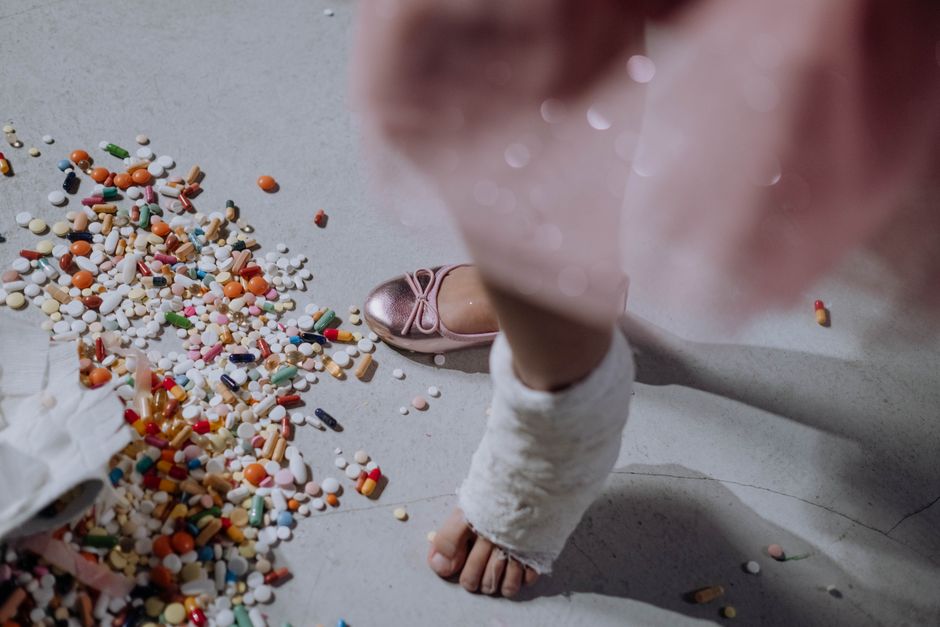
A broken bone, also called a fracture, happens when a force stronger than the bone itself hits it. This force can come from a fall, a car accident, a sports injury, or even simple stress from repeated use. When a bone breaks, it cracks or snaps, and the surrounding tissue, blood vessels, and sometimes muscles are also damaged.
What Is Broken Bone and How Does It Happen?
A broken bone is a medical condition where the structural integrity of a bone is compromised. Bones are rigid but they have a limit to how much pressure they can absorb. When that limit is exceeded, the bone breaks.
There are many ways this happens. A sudden impact like a hard fall or a direct blow is the most common cause. But bones can also break from twisting forces, like when a foot is planted and the body rotates sharply. In some cases, a bone breaks because it has been weakened by a condition like osteoporosis, which makes the bone less dense.
Not all fractures are the same. A simple fracture means the bone breaks cleanly without piercing the skin. A compound fracture, also called an open fracture, means the broken bone pushes through the skin, which raises the risk of infection significantly.
What Are the Different Types of Broken Bones?
Doctors classify fractures by how the bone breaks and the pattern of the break. This matters because treatment depends on the type.
- Stable fracture: The broken ends of the bone line up and barely move out of place.
- Transverse fracture: The break is a straight horizontal line across the bone.
- Oblique fracture: The break is at an angle across the bone.
- Comminuted fracture: The bone shatters into three or more pieces.
- Greenstick fracture: The bone bends and cracks on one side but does not break completely. This happens mainly in children because their bones are softer.
- Stress fracture: A small crack in the bone that develops from repeated stress over time, common in runners and athletes.
Each type has its own healing timeline. A simple stable fracture may heal in weeks. A comminuted fracture may require surgery and months of recovery.
What Does a Broken Bone Feel Like?
The most obvious symptom is pain. The pain is usually sharp and severe at the moment of the break. It often worsens when you move the injured area or put weight on it.
Swelling and bruising usually appear quickly after the injury. The area may look deformed or bent in a way that is not normal. You may not be able to use the limb at all. Some people hear a snap or crack at the moment of injury.
Numbness or a tingling sensation can also occur. This can happen if the broken bone presses on a nerve. If you feel numbness, that is a sign the injury may be more serious.
A broken bone can also cause you to feel faint, dizzy, or cold. This is a response to the pain and the stress of the injury. In severe cases, especially with a large bone like the thigh bone, internal bleeding can cause shock.




How Is a Broken Bone Diagnosed?
If you suspect a broken bone, you need medical attention. A doctor will examine the area and ask how the injury happened. Then they will usually order imaging tests.
An X-ray is the standard test for diagnosing a fracture. It shows the bone structure clearly and reveals most breaks. X-rays can also show if the bone is out of alignment.
Some fractures do not show up well on a standard X-ray. This is true for some stress fractures and small cracks. In those cases, a doctor may order an MRI or a CT scan. These imaging tests provide a more detailed view of the bone and surrounding tissue.
It is possible to have a broken bone and not realize it immediately. If pain and swelling persist for more than a few days after an injury, you should see a doctor. Ignoring a fracture can lead to improper healing and long-term problems.
How Is a Broken Bone Treated?
Treatment depends on the type and location of the fracture. The main goal is to put the bone back in its correct position and keep it still while it heals.
For a simple, stable fracture, a cast or splint is often enough. The cast holds the bone in place so the ends can grow back together. The cast stays on for several weeks, usually four to eight weeks, depending on the bone.
For a fracture where the bone pieces are out of alignment, a doctor must realign them. This is called a reduction. Sometimes this can be done without surgery, but it may require anesthesia. In more complex cases, surgery is needed.
Surgery for a broken bone often involves placing metal pins, plates, or screws to hold the bone fragments in the correct position. This is called internal fixation. It is common for fractures that are unstable, comminuted, or involve a joint.
After the bone starts to heal, physical therapy is often necessary. This helps restore movement and strength in the affected area. The muscles around the bone weaken while in a cast, and therapy helps rebuild them.
How Long Does It Take for a Broken Bone to Heal?
Healing time varies widely. It depends on your age, the type of break, and which bone is broken.
Children heal faster than adults. A child’s broken arm may heal in three to four weeks. The same break in an adult may take six to eight weeks. Larger bones take longer. A broken thigh bone can take three to six months to heal fully.
During healing, the body forms new bone tissue. A soft callus forms around the break first, then hardens into new bone. This process is not instant. The bone is weakest in the first few weeks after the cast is removed. Full strength may not return for a year or more.
Smoking slows bone healing significantly. Poor nutrition can also delay recovery. Your doctor will give you specific guidance on when you can resume normal activities.
What Are the Risks and Complications of a Broken Bone?
Most broken bones heal without major problems. But complications can happen.
Infection is a serious risk with compound fractures. Because the bone breaks through the skin, bacteria can enter the wound and infect the bone. This requires immediate medical treatment and often surgery.
Compartment syndrome is a rare but serious complication. It happens when pressure builds up inside the muscles around the broken bone. This pressure can cut off blood flow and cause permanent muscle and nerve damage. It requires emergency surgery.
Some fractures do not heal properly. This is called a nonunion, where the bone does not heal at all. A malunion is when the bone heals in the wrong position. Both may require additional surgery.
Blood clots are another risk, especially for fractures of the leg or hip. Immobility increases the risk of a clot forming in a deep vein. These clots can be dangerous if they travel to the lungs.
Can You Prevent a Broken Bone?
You cannot prevent every fracture. Accidents happen. But you can reduce your risk.
Maintaining bone density is one of the most effective strategies. Weight-bearing exercise like walking, running, and strength training helps keep bones strong. A diet with adequate calcium and vitamin D supports bone health.
Preventing falls is critical, especially for older adults. Remove tripping hazards at home, install grab bars in the bathroom, and make sure rooms are well-lit. Wearing appropriate footwear also helps.
Using protective gear during sports is essential. Wrist guards, knee pads, and helmets can prevent many fractures. Wearing a seatbelt in a car reduces the force of impact in a crash.
Frequently Asked Questions
Can you move a broken bone?
Yes, you can sometimes move a broken bone, especially if it is a minor crack or stress fracture. But moving it usually causes significant pain, and it does not mean the bone is not broken.
What is the difference between a break and a fracture?
There is no difference. A break and a fracture are the same medical condition. The word fracture is the clinical term doctors use, while break is the everyday word for the same injury.
How do I know if a bone is broken or just sprained?
Severe pain, visible deformity, and an inability to bear weight suggest a fracture, but you cannot tell for certain without an X-ray. If you suspect a fracture, see a doctor for imaging.
Can a broken bone heal on its own without a cast?
Some minor fractures can heal without a cast, but it is not safe to assume this. Without proper immobilization, the bone can heal in the wrong position, leading to chronic pain and loss of function.
