
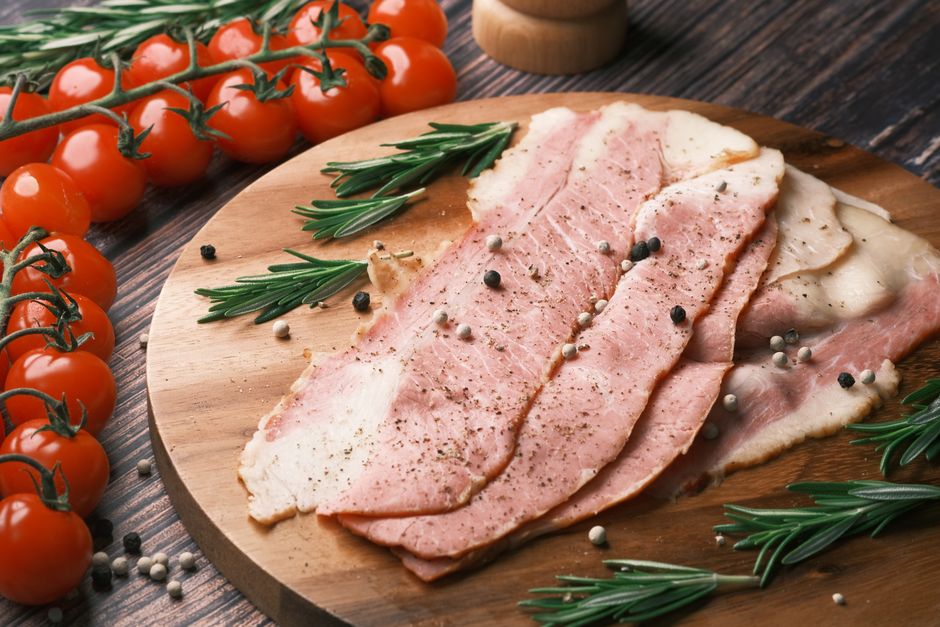
Brining is a method of soaking meat in a saltwater solution before cooking to improve moisture retention and flavor. There are two main approaches: wet brining, which submerges meat in a seasoned saltwater bath, and dry brining, which applies salt directly to the surface and lets it rest. Both work through the same basic principle — salt alters the protein structure of muscle tissue so it holds onto water more effectively during cooking.
What Is Brining Meat Wet Dry And How It Works?
Brining works because salt does two things to muscle tissue. First, it dissolves into the meat’s surface and penetrates inward over time. Second, once inside, salt changes the structure of myofibrillar proteins — the proteins responsible for muscle contraction. These proteins partially unravel, which allows them to bind more water. The result is meat that loses less moisture during cooking and stays more tender.
This is not the same as simply adding salt for flavor. The salt is doing structural work inside the muscle fibers. That distinction matters when deciding whether brining is worth the time and effort.
Wet brining and dry brining achieve this through different mechanisms, and they produce noticeably different results. Understanding how each works helps you decide which approach fits the meat you are cooking.
How Does Wet Brining Work?
Wet brining submerges meat in a solution of water and salt, usually with sugar and sometimes aromatics like herbs, garlic, or peppercorns. The salt concentration in a typical wet brine ranges from about 5% to 10% salt by weight of the water, though recipes vary widely.
Two processes happen simultaneously. Salt diffuses from the brine into the meat along a concentration gradient. Water also moves into the meat, though the exact degree to which water enters the muscle cells versus staying in the spaces between them is a subject of some debate in food science literature. What is well established is that the salt itself is the primary agent of change — it modifies protein structure and increases the meat’s water-holding capacity.
Sugar in a wet brine does not penetrate deeply into muscle tissue. Its main role is flavor on the surface and, in some cases, aiding browning during cooking. It is not doing the structural work.
Wet brining has a practical downside: it adds water weight to the meat, which dilutes flavor. A brined chicken breast may weigh more after brining than before, and some of that added water is what you taste when you bite into it. The meat is juicier, but the flavor of the meat itself can taste weaker unless the brine is well seasoned.
How Does Dry Brining Work?
Dry brining applies salt directly to the surface of the meat — no water involved. The salt initially draws moisture out of the meat through osmosis, creating a thin layer of brine on the surface. Over time, that salty liquid is reabsorbed into the meat, carrying the salt with it.
This process takes longer than most people expect. For a whole chicken or a large cut of pork, dry brining typically requires at least several hours and often overnight in the refrigerator. A thick steak might need an hour or more. The exact time depends on the thickness of the meat and the amount of salt used.
Dry brining concentrates flavor rather than diluting it. Because no water is added, the meat’s natural flavor stays intact. The salt penetrates the same way it does in wet brining — through diffusion and protein modification — but without the water weight gain.
Another advantage: dry brining produces drier skin on poultry. Wet-brined poultry often has soggy skin that does not crisp well, because the surface is saturated with water. Dry-brined poultry skin dries out in the refrigerator, which promotes better browning and crisping during roasting.
Wet Brining vs Dry Brining: What Is the Difference?
The core difference is water. Wet brining adds water to the meat. Dry brining does not. That single distinction drives most of the practical differences between the two methods.
| Factor | Wet Brining | Dry Brining |
|---|---|---|
| Water added | Yes — meat gains water weight | No — meat retains natural moisture |
| Time required | 2–24 hours depending on cut | 1 hour to overnight depending on cut |
| Flavor impact | Can dilute natural flavor | Concentrates natural flavor |
| Skin texture | Often soggy; needs drying before cooking | Drier skin; browns and crisps better |
| Space needed | Large container; refrigerator space | Minimal — just a plate or rack |
| Best for | Lean cuts, whole poultry, pork | Poultry, pork, steaks, roasts |
Both methods increase water-holding capacity through the same protein-level mechanism. The difference is in the side effects — water weight, flavor dilution, and skin texture — rather than in the fundamental chemistry.
Does Brining Actually Make Meat Juicier?
Yes, but the effect is smaller than many people believe. Brining does increase the meat’s ability to hold water during cooking. Research in food science has consistently shown that salt-treated meat loses less moisture during cooking than untreated meat.
However, the improvement is not dramatic. The difference between a brined chicken breast and an unbrined one cooked to the same internal temperature is noticeable but not transformative. The bigger factor in juiciness is cooking temperature. A chicken breast cooked to 165°F will be drier than one cooked to 150°F and held at that temperature for a few minutes, regardless of whether it was brined.
This is where brining gets oversold. Many people brine meat, cook it properly, and credit the brine for the result. In reality, proper cooking temperature and resting time likely account for most of the improvement. Brining adds a marginal benefit on top of that.
That said, for lean cuts that are easy to overcook — pork loin, chicken breast, turkey breast — brining does provide a meaningful buffer against moisture loss. It is not a cure for overcooking, but it raises the margin for error.
When Should You Not Brine Meat?
Brining is not appropriate for every cut or every cooking method.
- Already salty meats: Ham, bacon, corned beef, and many sausages are already cured or salted. Brining them adds unnecessary sodium and can make them inedibly salty.
- Red meat with good marbling: Well-marbled steaks and roasts have enough fat to stay moist during cooking. Brining can make the texture feel spongy and dilute the beef flavor.
- Ground meat: Brining ground meat is impractical because the salt would need to penetrate throughout, and ground meat is typically cooked quickly. Mixing salt into ground meat before cooking can make it tough.
- Fried foods: Wet-brined foods added directly to hot oil can cause dangerous splattering. The surface must be thoroughly dried first.
For people watching sodium intake, both methods add significant salt. A wet brine can add hundreds of milligrams of sodium per serving, and dry brining adds sodium directly. The American Heart Association recommends limiting sodium, and brined meat should be accounted for in daily intake.
What About Salt Content and Food Safety?
Brining is not a preservation method at typical concentrations. A 5% salt solution does not prevent bacterial growth. Brined meat must be refrigerated during the brining process and cooked to safe internal temperatures.
The USDA recommends cooking poultry to 165°F, ground meats to 160°F, and whole cuts of beef, pork, and lamb to 145°F with a three-minute rest. These temperatures apply whether or not the meat was brined.
Salt concentration matters for safety in one specific way: if you are using a very high-concentration brine (above 20% salt), it can inhibit some bacterial growth, but this is not a reliable safety measure and should not be treated as one. Keep brined meat in the refrigerator at 40°F or below at all times.
One more consideration: do not reuse brine that has held raw meat. It contains raw meat juices and bacteria. Discard it immediately after removing the meat.
Does Brining Work for All Types of Meat?
Brining works best for lean meats that are prone to drying out. Chicken breast, turkey breast, pork loin, and shrimp are common candidates. These cuts have less fat and connective tissue to protect them during cooking.
For fattier cuts — ribeye steaks, pork shoulder, lamb chops — the benefit is smaller and the drawbacks (texture changes, flavor dilution) may outweigh the advantages. These cuts have natural moisture from fat and often benefit more from proper cooking technique than from brining.
Fish is a mixed case. Some chefs brine lean fish like cod or tilapia briefly to help them hold together and stay moist. Oily fish like salmon are less commonly brined because their fat content already provides moisture. Brining fish for too long can make the texture mushy.
Frequently Asked Questions
How long should you brine chicken?
For wet brining, 2 to 12 hours is typical for chicken pieces, and up to 24 hours for a whole chicken. Dry brining usually requires at least 4 hours and works well overnight.
Can you brine meat too long?
Yes. Over-brining can make meat overly salty and, in the case of wet brining, can cause the texture to become spongy or mushy. Follow recipe times and do not exceed them significantly.
Is dry brining the same as seasoning?
No. Seasoning adds salt for surface flavor. Dry brining applies salt and allows enough time for it to penetrate the meat and modify protein structure, which changes how the meat holds moisture during cooking.
Does brining add a lot of sodium?
It can. A wet brine can add several hundred milligrams of sodium per serving, depending on the salt concentration and brining time. Dry brining also adds sodium. People on sodium-restricted diets should account for this.
