
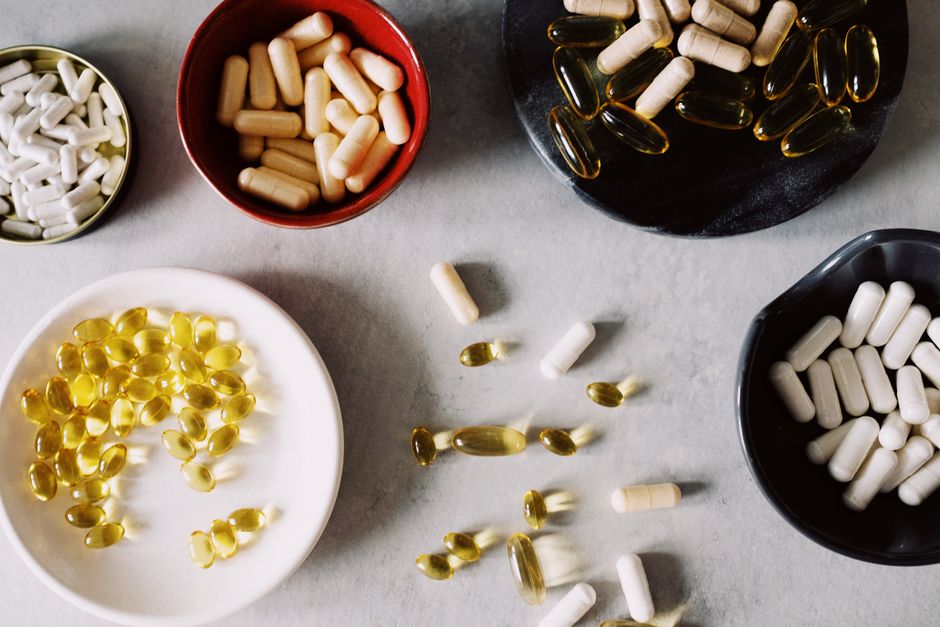
Bovine gelatin is a protein made by boiling the skin, bones, and connective tissue of cattle. It is used to thicken and set foods like gummy candies, marshmallows, and jelly, and it also appears in capsules and some protein products. Its nutrition is mostly protein — about 9 grams per tablespoon of powder — but that protein is an incomplete one, low in several amino acids your body needs.
That last point matters more than most supplement marketing lets on. Gelatin is not a complete protein, and its health claims are often bigger than its evidence. Here is what is solid, what is uncertain, and what to watch for.
What Is Bovine Gelatin Nutrition Uses And Safety?
Gelatin is what you get when collagen — the main structural protein in skin, bone, and connective tissue — is partially broken down by heat and water. Collagen molecules are long, rope-like triple helices. Heat untangles them into shorter strands. When those strands cool, they link back up loosely and trap water, which is why gelatin sets into a jelly.
Bovine gelatin comes from cattle. The raw material is usually hides and bones left over from meat processing. It is not a synthetic product, but it is a heavily processed one: the material is cleaned, treated with acid or alkali, heated, filtered, concentrated, and dried into powder or sheets.
Gelatin is related to collagen but not identical. Collagen supplements are typically hydrolyzed — broken into smaller peptides that dissolve in cold water. Gelatin only dissolves in hot water and sets when it cools. That difference affects how each is used in food and studied in research.
What Does the Nutrition Profile of Bovine Gelatin Look Like?
Gelatin is almost pure protein, with very little fat or carbohydrate. A typical unflavored gelatin powder provides roughly 9 grams of protein per tablespoon (about 10 grams of powder). Flavored dessert gelatins are a different product entirely — they usually contain sugar, artificial colors, and little meaningful protein.
The protein itself is the important part. Gelatin is an incomplete protein because it lacks tryptophan, an essential amino acid. It is also low in methionine and cysteine. Your body cannot build new protein without all the essential amino acids in adequate amounts, so gelatin cannot replace complete protein sources like meat, eggs, dairy, or soy.
What gelatin does have in abundance is glycine and proline, two amino acids that are relatively scarce in typical Western diets. Glycine is the smallest amino acid and is used in collagen synthesis, in the nervous system, and in the production of glutathione, an important antioxidant. This is the biological basis for most gelatin and collagen health claims. Whether eating more glycine produces meaningful benefits is a separate question, and one the evidence has not settled.
Gelatin contains no fiber, no vitamins, and no minerals in significant amounts. It is not a multivitamin. It is a protein ingredient.
What Is Bovine Gelatin Used For?
Food use is the biggest category by far. Gelatin thickens, stabilizes, and gives foods their characteristic texture. It is in gummy candies, marshmallows, jelly desserts, some yogurts, and certain processed meats. It also forms the shell of many softgel capsules and the coating on some tablets.
In cooking, gelatin is used to set aspics, panna cotta, and homemade marshmallows. It is also used as a fining agent in some wines and beers, which is why some vegetarians avoid those products.
Beyond food, gelatin appears in cosmetics, photographic film, and some medical products, including certain wound dressings and absorbable sponges used in surgery. These are established industrial and medical uses, not health claims.
As a supplement, gelatin and collagen are marketed for joint health, skin, hair, and nails. This is where the marketing outruns the evidence. More on that below.
Does Bovine Gelatin Actually Help Joints, Skin, or Digestion?
The evidence is mixed and generally modest. Some studies suggest collagen peptides may support joint comfort in people with osteoarthritis, but results vary, and many trials are small or industry-funded. The research on gelatin specifically is thinner than the research on hydrolyzed collagen. These are related but not interchangeable products.
For skin, some studies indicate that oral collagen peptides may improve skin elasticity and hydration over weeks to months. The effects reported tend to be small. Whether gelatin — which is not hydrolyzed — produces the same effects is not well established. No large, independent trials have confirmed that eating gelatin improves skin, hair, or nails.
For digestion, gelatin is sometimes recommended on the theory that it supports the gut lining. That idea is biologically plausible but not supported by strong human trials. Some clinicians recommend it; the evidence base is limited. Anyone with a serious digestive condition should not treat gelatin as a therapy.
One honest clarification: the body does not use dietary collagen or gelatin directly to build your own collagen. Digestion breaks these proteins into amino acids and small peptides, which your body then uses wherever it needs them. Any benefit comes from supplying raw materials, not from “feeding your joints” directly.
Is Bovine Gelatin Safe?
For most people, gelatin from reputable sources is safe when eaten in normal food amounts. It is a long-established food ingredient with a strong safety record. The main concerns are allergies, dietary restrictions, and supplement quality.
People with a genuine allergy to beef or gelatin should avoid it. Gelatin allergy is uncommon but real and can cause reactions ranging from hives to, in rare cases, more serious responses. Anyone with a known beef allergy should treat gelatin with caution and discuss it with a clinician.
Gelatin is not vegetarian or vegan, and some people avoid it for religious or ethical reasons. There are plant-based alternatives, discussed below.
Supplement quality is a real issue. Dietary supplements in the United States are not reviewed for safety and effectiveness before they are sold, and the FDA has warned about products marketed for joint health that contained undeclared ingredients. Buying from established brands and checking for third-party testing reduces but does not eliminate this risk.
One more safety note: gelatin can interact with some medications by slowing or altering absorption, and it can affect how the body handles certain drugs. If you take prescription medications, particularly ones with narrow dosing windows, ask a pharmacist before adding a gelatin supplement.
How Does Bovine Gelatin Compare to Other Options?
Gelatin, hydrolyzed collagen, and plant-based gelling agents are not interchangeable. The table below summarizes the practical differences.
| Product | Source | Dissolves in | Sets into jelly | Complete protein |
|---|---|---|---|---|
| Bovine gelatin | Cattle skin and bone | Hot water only | Yes | No |
| Hydrolyzed collagen | Cattle, pig, fish | Hot or cold water | No | No |
| Agar | Seaweed | Hot water | Yes | No |
| Pectin | Fruit | Hot water (varies) | Yes, with sugar and acid | No |
The key practical difference for cooking is that gelatin must be bloomed in cold water and then dissolved in hot liquid, and it will not set certain fresh fruits — pineapple, kiwi, papaya, and figs contain enzymes that break gelatin down. Agar sets at higher temperatures and works with those fruits, though the texture is firmer and less smooth.
For protein, none of these are complete. Gelatin is not a substitute for a complete protein source, and it should not be treated as one.
Who Should Be Careful With Bovine Gelatin?
Most healthy adults can include gelatin in their diet without concern. Certain groups should be more cautious.
- People with beef or gelatin allergy should avoid it and read labels carefully, since gelatin hides in many processed foods and capsules.
- People taking prescription medications should check with a pharmacist, particularly for drugs with narrow dosing windows.
- Pregnant and breastfeeding women should treat gelatin supplements as they would any supplement and discuss them with a clinician. Food amounts are generally considered fine, but supplement use is not well studied in these groups.
- Children should not be given gelatin supplements without a clinician’s guidance. No clinical guidelines exist for supplement use in children.
- People with kidney disease should be cautious with high-protein supplements in general and talk to their care team first.
None of this means gelatin is dangerous for most people. It means the supplement form deserves the same caution as any other supplement, and the food form is generally unremarkable.
What Should You Look For When Buying Bovine Gelatin?
Buying gelatin is mostly about knowing what you are getting. Unflavored gelatin powder is the most straightforward choice for cooking and for anyone wanting to avoid added sugar and colors. Flavored dessert gelatins are a different product and are mostly sugar.
For supplements, look for products from established manufacturers and, where possible, third-party testing. Be skeptical of claims that gelatin “rebuilds cartilage,” “cures leaky gut,” or “reverses aging.” No clinical evidence currently confirms these claims. The honest position is that gelatin is a safe food ingredient with a modest and uncertain role in supplement form.
If you want the amino acids gelatin provides, food sources like bone broth and gelatin-rich dishes are an option, though their nutrient content varies widely and is not standardized. If you want a complete protein, choose meat, eggs, dairy, soy, or a complete plant protein blend instead.
Frequently Asked Questions
Is bovine gelatin a complete protein?
No. Bovine gelatin lacks tryptophan and is low in methionine and cysteine, so it cannot replace complete protein sources like meat, eggs, or dairy. It provides glycine and proline, which are useful but not sufficient on their own.
Is bovine gelatin safe to eat every day?
For most healthy adults, gelatin in normal food amounts is considered safe, and it has a long history of use as a food ingredient. Daily supplement use is less studied, so anyone taking medications or managing a health condition should check with a clinician first.
Does bovine gelatin help with joint pain?
Some studies suggest collagen peptides may modestly support joint comfort in people with osteoarthritis, but results vary and many trials are small. The evidence for gelatin specifically is weaker than for hydrolyzed collagen, and no large independent trials have confirmed a clear benefit.
What can I use instead of bovine gelatin?
Agar, pectin, carrageenan, and modified cornstarch are common plant-based alternatives. Agar sets at higher temperatures and gives a firmer texture, while pectin works best with sugar and acid. None of these are complete proteins either.
