
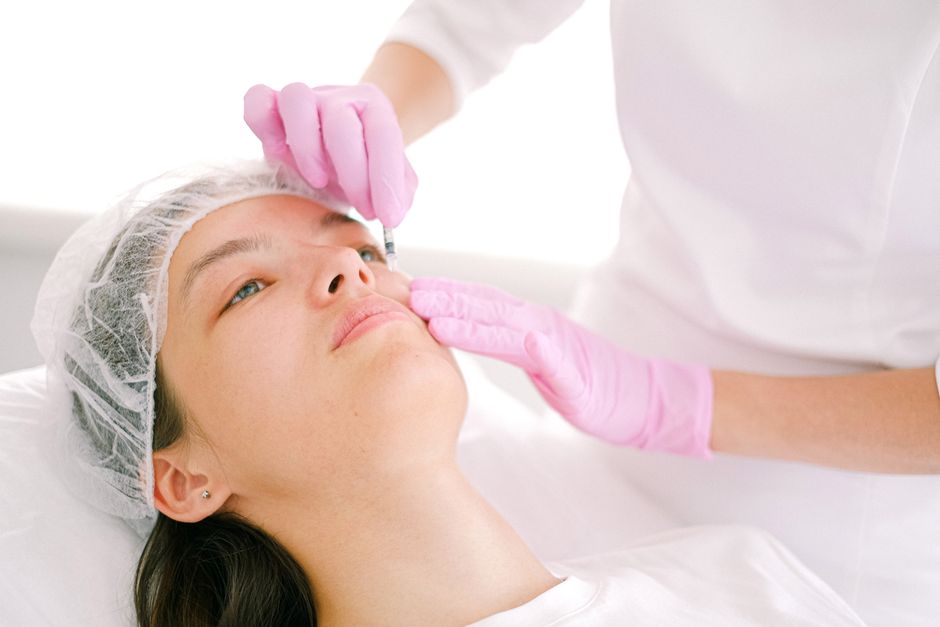
Botox is a purified protein that temporarily relaxes specific muscles when injected in small doses. Most people know it for smoothing wrinkles on the face, but doctors also use it to treat a range of medical conditions that involve muscle spasms, excessive sweating, and even chronic migraines. The active ingredient is botulinum toxin type A, and while the name sounds alarming, medical use is highly controlled and has been studied for decades.
How Does Botox Work in the Body?
Botox works by blocking nerve signals at the injection site. Nerves normally release a chemical called acetylcholine that tells muscles to contract. When Botox enters the muscle, it stops that chemical from being released. The muscle then stays relaxed because it never receives the “contract” message.
This effect is not permanent. The nerve eventually grows new endings and reconnects with the muscle. That is why results last only a few months. Most people need repeat treatments every three to four months to maintain the effect.
The effect is also local. Botox does not travel far from where it is injected when used correctly. That is why a small injection in the forehead does not relax muscles in the rest of the body.
What Are the Cosmetic Uses of Botox?
The cosmetic use of Botox focuses on wrinkles caused by repeated muscle movement. These are called dynamic wrinkles. They form over years of smiling, frowning, squinting, and raising the eyebrows.
Botox is FDA-approved for three specific cosmetic areas:
- Glabellar lines — the vertical frown lines between the eyebrows
- Crow’s feet — the fine lines at the outer corners of the eyes
- Forehead lines — the horizontal lines across the forehead
Doctors also use Botox “off-label” in other facial areas. Common off-label uses include the corners of the mouth, the chin, and the neck. Off-label means the FDA has not formally approved Botox for that specific spot, but it is a legal and common practice when a doctor judges it appropriate.
Cosmetic Botox does not treat wrinkles caused by sun damage or aging skin itself. Those are static wrinkles — lines visible even when the face is completely relaxed. Botox cannot fill those lines because it does not add volume or change skin texture. Fillers or other treatments are needed for that.
What Medical Conditions Does Botox Treat?
Botox has a long list of FDA-approved medical uses. These go far beyond appearance and target conditions where muscle spasm or overactivity is the core problem.
Chronic migraine is one of the most common medical uses. Adults who get headaches on 15 or more days per month, with each headache lasting four hours or more, may qualify. Botox is injected into multiple sites around the head and neck. The exact mechanism is not fully understood, but it appears to block pain signals before they reach the brain. Treatment is given every 12 weeks.
Cervical dystonia is another approved use. This condition causes painful, uncontrollable neck muscle spasms that twist the head into abnormal positions. Botox injections relax those specific muscles and reduce pain and abnormal posture.
Limb spasticity affects people after stroke, spinal cord injury, or with conditions like cerebral palsy. Muscles become continuously tight and stiff. Botox injections into the affected muscles reduce stiffness and can improve range of motion and comfort.
Hyperhidrosis is the medical term for severe underarm sweating. Botox is approved for this when topical treatments have not worked. Injections block the chemical signals that tell sweat glands to activate. The effect lasts roughly four to twelve months.
Overactive bladder is treated with Botox when medications fail. It is injected directly into the bladder muscle through a cystoscope. This reduces urgency, frequency, and leakage in adults with certain types of incontinence.
Strabismus (crossed eyes) and blepharospasm (uncontrollable eyelid twitching) were among the earliest approved uses. These conditions involve small muscles around the eye that contract involuntarily. Botox relaxes them and corrects the alignment or stops the twitching.





What Happens During a Botox Procedure?
A Botox injection session is quick. Most cosmetic treatments take about 10 to 15 minutes in a doctor’s office. No anesthesia is needed, though the doctor may apply a numbing cream or ice pack to reduce discomfort.
The doctor uses a very fine needle to inject tiny amounts of Botox into specific muscles. The number of injections depends on the treatment area. Forehead lines might need five to ten injections. Migraine treatment involves around 30 injections across the head and neck.
You can return to normal activities immediately after treatment. The main instruction is to avoid rubbing or massaging the treated area for at least four hours. Rubbing could push the Botox into nearby muscles and cause unwanted effects like a drooping eyelid.
Results are not instant. It takes two to seven days for the muscle to fully relax. Cosmetic results peak at about two weeks and last three to four months. Medical results follow a similar timeline but vary by condition.
What Are the Side Effects and Risks?
Botox is generally safe when administered by a trained professional, but it is not risk-free. Side effects are usually mild and temporary.
The most common side effects at the injection site include:
- Pain, swelling, or bruising
- Headache
- Flu-like symptoms
- Temporary drooping of the eyelid or eyebrow
Eyelid drooping happens when Botox spreads beyond the intended muscle. It is temporary and resolves as the effect wears off. Choosing an experienced injector reduces this risk significantly.
More serious complications are rare but possible. If Botox spreads too far from the injection site, it can cause difficulty swallowing, speaking, or breathing. This is a serious concern and requires immediate medical attention. The risk is higher with medical doses, which are larger than cosmetic doses.
Botox should not be given to people who are pregnant, planning to become pregnant, or breastfeeding. No adequate studies exist on Botox use in these populations. The risk cannot be ruled out, so doctors avoid treating them.
People with certain neuromuscular conditions, such as myasthenia gravis or Lambert-Eaton syndrome, should not receive Botox. These conditions already weaken muscles, and Botox could worsen that weakness dangerously.
How Long Do Botox Results Last?
Duration depends on the condition being treated and the dose used.
Cosmetic results typically last three to four months. Some people find results last longer with repeated treatments, though the evidence for this is not strong. Muscle activity gradually returns, and wrinkles reappear at their previous level.
Medical results vary more. Chronic migraine relief often lasts the full 12 weeks between treatments. Hyperhidrosis results can last up to a year in some patients. Overactive bladder treatment may last six to nine months. Cervical dystonia and spasticity treatments are usually repeated every three months.
Botox does not permanently change muscles or nerves. When treatment stops, the underlying condition returns. It is a management tool, not a cure.
What Is the Difference Between Botox, Dysport, and Xeomin?
Botox, Dysport, and Xeomin are all botulinum toxin type A products. They work the same way but have small differences in formulation.
Botox and Dysport have accessory proteins attached to the botulinum toxin. Xeomin does not — it is a “naked” formulation. In theory, this means Xeomin is less likely to trigger an immune response that makes treatment stop working. In practice, all three products have low rates of resistance.
Dysport spreads slightly more than Botox. Some doctors prefer it for larger areas like the forehead. Botox is more precise and may be better for small areas like crow’s feet. Xeomin is often chosen for patients who have developed resistance to another brand.
The clinical results are similar across all three. Product choice usually comes down to doctor preference, availability, and cost. No large study has shown one is clearly superior to the others for cosmetic use.
There is also a type B product called Myobloc, but it is rarely used for cosmetic purposes and is not FDA-approved for that indication.
Who Should Not Get Botox?
Botox is not appropriate for everyone. A careful medical history is essential before treatment.
Absolute contraindications include a known allergy to any botulinum toxin product and active infection at the planned injection site. Pregnancy and breastfeeding are also reasons to avoid Botox because safety has not been established.
People taking certain antibiotics, particularly aminoglycosides, should discuss this with their doctor. These drugs can interfere with nerve signal transmission and may increase the effects of Botox. Blood thinners increase bruising risk but do not make Botox unsafe.
Anyone with a history of dysphagia (difficulty swallowing) or aspiration should be cautious. Medical doses of Botox can worsen these problems.
Finally, patients should have realistic expectations. Botox cannot stop the aging process. It cannot erase deep wrinkles or restore lost facial volume. It only relaxes specific muscles for a limited time.
Frequently Asked Questions
Does Botox hurt?
Most people describe the sensation as a quick pinch that lasts a few seconds per injection. Numbing cream or ice can be used beforehand to reduce discomfort.
At what age should you start getting Botox?
There is no medical rule about a starting age. Some people begin in their late twenties as a preventive measure, but no strong evidence proves early use prevents wrinkles later in life.
Can Botox stop working over time?
In rare cases, the body develops antibodies that neutralize Botox, making it ineffective. This is more common with high doses and frequent treatments, which is why doctors use the lowest effective dose.
Is Botox safe for under-eye wrinkles?
Botox is not typically used under the eyes because the muscles there are delicate and injection risks include double vision or worsening of under-eye bags. Fillers or laser treatments are more common options for that area.
