
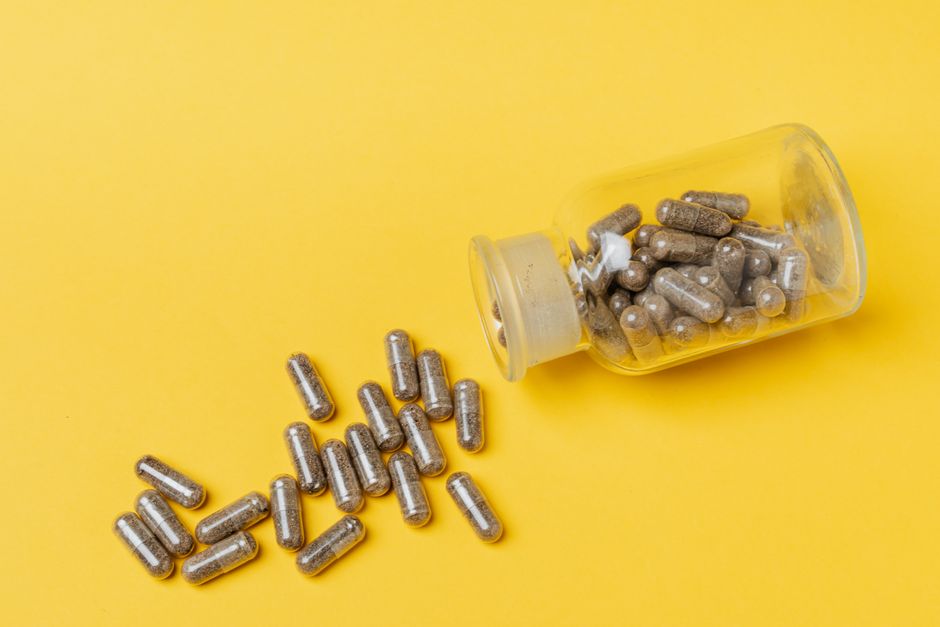
Boron is a trace mineral found in foods like avocados, nuts, and dried fruit. People take boron supplements mainly for bone health and hormone support, though the evidence for most of these uses is limited. Boron is not officially classified as an essential nutrient for humans, which is a key reason the research remains thin.
The “root causes” part of the question matters here. Most people considering boron are responding to a specific concern — thinning bones, low testosterone, menopause symptoms, or a vague sense that they need more minerals. Understanding what boron actually does in the body helps separate real physiology from supplement marketing.
What Is Boron Supplement Used For And Why?
Boron supplements are most often taken for bone health, hormone levels, and inflammation. The mineral does appear to influence how the body handles calcium, magnesium, and vitamin D, and it interacts with steroid hormones. But the human trial evidence is small and short-term, so no major health organization recommends boron supplementation for any condition.
Here is what boron actually does in the body. It binds to molecules involved in mineral metabolism. Animal and laboratory studies show it affects calcium retention and bone formation. Some small human studies suggest boron intake influences markers of bone turnover and raises levels of sex hormones like testosterone and estrogen — but these were short studies with few participants, and the changes were modest.
In other words, boron has plausible biological activity. That is not the same as proven clinical benefit. This distinction matters because supplement marketing routinely treats “affects the body” as “treats a disease.”
Does Boron Actually Help Bone Health?
The bone health case for boron is the strongest of its uses, but it is still not settled. Research in animals consistently shows boron deprivation harms bone structure. Human data is much thinner.
Some small human studies report that boron supplementation reduces calcium and magnesium loss and affects markers of bone formation. These findings are interesting but preliminary. No large, long-term trial has shown that boron supplements prevent fractures or increase bone density in a way that matters clinically.
For context, the interventions with strong evidence for bone health are adequate calcium and vitamin D intake, weight-bearing exercise, and in some cases prescription medications. Boron does not replace any of these. If you have osteoporosis or osteopenia, boron is not a treatment.
Boron does appear to affect how the body uses vitamin D and magnesium, which are both involved in bone metabolism. That interaction is real biology. Whether it translates into meaningful bone benefit from a supplement is unproven.
Why Do People Take Boron for Testosterone and Hormones?
Boron’s reputation as a testosterone booster comes from small studies showing it can raise free testosterone and lower sex hormone binding globulin (SHBG). SHBG is a protein that binds testosterone and reduces the amount available for the body to use.
In one often-cited small study, men given boron showed measurable changes in hormone markers within a week. The study was short and had few participants. Results have not been consistently replicated in larger trials. The effect, if real, appears modest — not the dramatic boost supplement sellers imply.
There is also interest in boron for menopause symptoms. Some research suggests boron affects estrogen metabolism, but no clinical trial has shown it relieves hot flashes or other menopause symptoms. The evidence here is essentially absent.
For anyone dealing with low testosterone or menopause symptoms, boron is not a substitute for medical evaluation. These symptoms have many causes and effective treatments. A trace mineral with thin evidence should not be the first stop.
Is Boron Safe, and How Much Do You Need?
Boron from food is considered safe. The World Health Organization has set a tolerable upper intake level for boron at 20 mg per day for adults, based on animal studies and limited human data. This is a safety ceiling, not a recommended amount.
There is no established recommended dietary allowance for boron because it is not classified as an essential nutrient. Typical dietary intake from food is estimated at roughly 1 to 3 mg per day, though this varies widely by diet and region.
Supplement doses commonly sold range from 3 mg to 10 mg. Some products push higher. Taking more than the upper limit is not advised. High doses of boron have caused nausea, vomiting, and skin reactions in reported cases.
Boron supplements are not recommended during pregnancy or breastfeeding. No clinical guidelines establish a safe supplemental dose for pregnant women, infants, or children. The kidneys clear boron, so people with kidney disease should be especially cautious and talk to a doctor before considering it.
- Boron can interact with medications, including some hormone therapies and drugs processed by the liver and kidneys.
- Boric acid and boron-containing products are toxic if swallowed in large amounts — this includes some household products not meant for ingestion.
- Supplement quality varies. Boron products are not tightly regulated for purity or dose accuracy.
Where Does Boron Come From in Food?
Food is the safest and most studied source of boron. Plant foods are the main contributors, and intake depends heavily on the soil where they were grown and how much plant food a person eats.
Good food sources include:
- Avocados
- Nuts, especially almonds and peanuts
- Dried fruit like raisins and prunes
- Legumes such as chickpeas and beans
- Leafy greens
- Apples, oranges, and other fruit
Most people who eat a varied diet get boron without trying. This is one reason researchers question whether supplementation adds anything for healthy adults. The exception would be people with very restricted diets, but even then, the clinical benefit of adding a supplement is unproven.
What Does the Evidence Actually Show?
Here is the honest summary. Boron has real biological effects on mineral metabolism and hormone binding. The human studies are small, short, and inconsistent. No major health authority recommends boron supplements for bone health, hormones, or any other condition.
This does not mean boron is useless. It means the evidence is not strong enough to support specific health claims. That is a different statement than “boron does nothing,” and it is the accurate one.
If you are considering a boron supplement, the reasonable questions are: What specific outcome am I hoping for? Is there stronger evidence for a different approach? Have I talked to a doctor, especially if I take medications or have kidney issues? Those questions are more useful than any supplement label.
One clarification worth knowing: boron is sometimes confused with boric acid, which is a different compound used as a pesticide and antiseptic. Boric acid is toxic if swallowed and is not a supplement. The names sound similar, but they are not interchangeable.
Frequently Asked Questions
What is boron supplement good for?
Boron supplements are most often marketed for bone health and hormone support, but human evidence is limited and no major health organization recommends them for any condition. Food sources of boron are considered safer and better studied.
Does boron really raise testosterone?
Some small, short studies suggest boron can raise free testosterone and lower sex hormone binding globulin, but results have not been consistently replicated in larger trials. Any effect appears modest, not the dramatic boost supplement marketing implies.
How much boron is safe to take daily?
The World Health Organization sets a tolerable upper intake level of 20 mg per day for adults, which is a safety ceiling rather than a recommended amount. There is no established recommended dietary allowance because boron is not classified as an essential nutrient.
Can you get enough boron from food?
Most people who eat a varied diet get boron from foods like avocados, nuts, dried fruit, and legumes without needing a supplement. Typical dietary intake is estimated at roughly 1 to 3 mg per day, though this varies by diet and region.
