
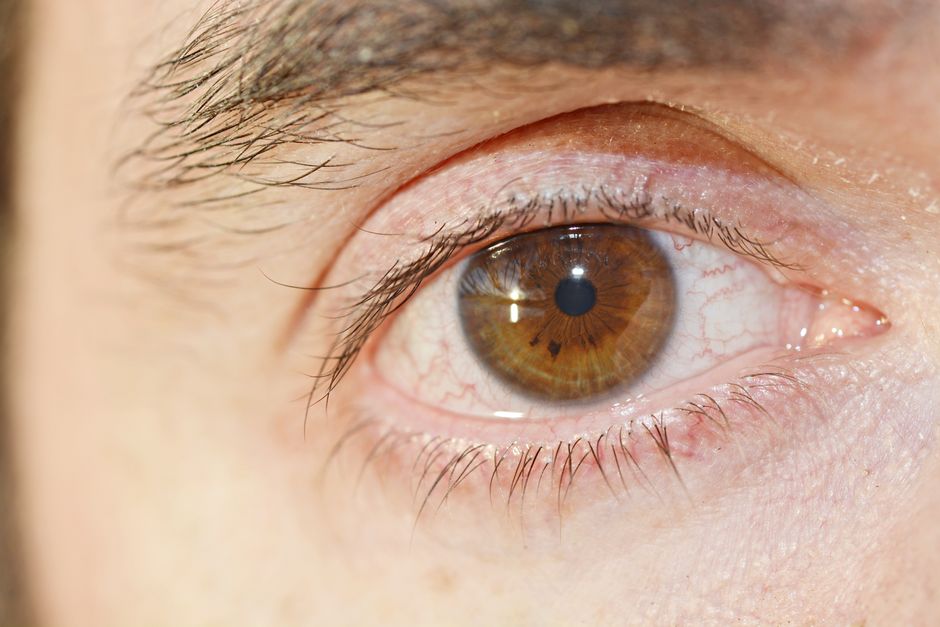
Borderline glaucoma is an older term for what eye doctors now usually call ocular hypertension or glaucoma suspect status. It means the optic nerve looks healthy but the pressure inside the eye is higher than normal, or the nerve looks slightly suspicious even though vision and visual field testing are normal. It is not the same as having glaucoma. It is a risk state, and how it is managed depends on how much risk each person actually carries.
What Is Borderline Glaucoma?
Borderline glaucoma describes an eye that sits in a gray zone. The optic nerve does not show the damage pattern doctors associate with glaucoma, and visual field testing is normal, but something about the eye raises concern. That something is usually eye pressure, also called intraocular pressure.
Normal eye pressure generally falls between 10 and 21 millimeters of mercury (mmHg). A reading above that range is called ocular hypertension when the optic nerve and visual fields are normal. Some people have pressures in the low 20s and never develop glaucoma. Others develop it within a few years. The pressure number alone does not tell you which group you are in.
The term “borderline” also gets used when the optic nerve looks a little unusual but not clearly damaged. This is a judgment call, and different eye doctors can look at the same nerve and reach different conclusions. That uncertainty is part of why the term has fallen out of favor. Modern eye care prefers clearer labels: ocular hypertension, glaucoma suspect, or glaucoma.
What Are the Signs of Borderline Glaucoma?
There are almost never symptoms. This is the single most important thing to understand about borderline glaucoma and about glaucoma itself in its early stages.
Open-angle glaucoma, the most common form, damages peripheral vision first. That damage is gradual and the brain fills in the gaps, so people do not notice it. By the time someone notices vision loss from glaucoma, a meaningful portion of the optic nerve fibers is often already gone. This is why eye exams matter more than symptoms.
What a doctor sees is different from what a patient feels. Signs a clinician looks for include:
- Eye pressure above the normal range, generally above 21 mmHg
- An optic nerve appearance that raises suspicion, such as a larger cup-to-disc ratio
- A thin central cornea, which can cause pressure readings to read lower than the true pressure
- Normal visual field testing, which is what separates a suspect from a diagnosis
Some people with borderline findings do report eye discomfort, headaches, or blurry vision. Those symptoms are common in the general population and are not typically caused by ocular hypertension. It is easy to attribute unrelated symptoms to a new diagnosis. Worth being honest about that.
How Is Borderline Glaucoma Diagnosed?
Diagnosis is a process, not a single test. No one measurement confirms or rules out glaucoma, which is exactly why borderline cases exist.
A full evaluation usually includes several parts. Eye pressure is measured, often more than once and at different times of day, because pressure fluctuates. The optic nerve is examined, frequently with photographs or imaging that can be compared over time. The drainage angle is checked to rule out angle-closure glaucoma, which is a different and more urgent problem. Visual field testing maps peripheral vision. Corneal thickness is measured because it affects how pressure readings should be interpreted.
The comparison over time matters more than any single visit. A nerve that looks the same year after year is reassuring. A nerve that is changing is not, even if the pressure looks acceptable.





Who Is at Higher Risk?
Higher eye pressure is the strongest known risk factor for developing glaucoma, but it is not the only one. Several factors raise risk, and they tend to compound.
- Age, with risk rising notably after 60
- African, Hispanic, or Asian ancestry, depending on the type of glaucoma
- A family history of glaucoma
- Thin central cornea
- High nearsightedness
- Diabetes and high blood pressure
- Long-term use of corticosteroid medications, especially eye drops
One point that surprises many people: having a first-degree relative with glaucoma raises risk substantially, and that risk is often underweighted by patients who feel fine. Family history is a reason to get screened, not a reason to panic.
How Is Borderline Glaucoma Managed?
There are two broad approaches, and the right one depends on individual risk. One is monitoring without treatment. The other is starting pressure-lowering treatment early.
Monitoring means regular eye exams with pressure checks, optic nerve imaging, and visual field testing. The interval between visits is set by the eye doctor based on how concerning the findings are. Some people are seen every six months. Others are seen yearly.
Treatment means lowering eye pressure, usually with prescription eye drops. The goal is not to fix existing damage, because there is none yet. The goal is to reduce the chance that damage develops.
This is where the evidence gets nuanced. A large clinical trial found that treating ocular hypertension reduced the number of people who went on to develop glaucoma, but many people in the untreated group never developed it either. In other words, treating everyone with high pressure means treating a lot of people who would have been fine. This is why many eye doctors now weigh individual risk factors before recommending drops.
Laser treatment and surgery exist for glaucoma but are generally reserved for confirmed disease or cases that are progressing, not for borderline findings alone.
| Finding | What It Means |
|---|---|
| Pressure above 21 mmHg, normal nerve and visual field | Ocular hypertension |
| Suspicious nerve appearance, normal visual field | Glaucoma suspect |
| Nerve damage plus visual field loss | Glaucoma |
Can Borderline Glaucoma Be Prevented From Becoming Glaucoma?
Not always, and no treatment currently guarantees it. What is well established is that lowering eye pressure reduces the risk of progression in people who have glaucoma. Whether that benefit extends meaningfully to everyone with borderline findings is less certain.
What people can control is follow-up. Skipping exams is the most common reason borderline findings turn into diagnosed glaucoma without anyone noticing in time. The damage is silent, so the appointments are the safety net.
There is no diet, supplement, or exercise routine proven to prevent glaucoma. Some research has looked at antioxidants and other nutrients, but no large human trial has confirmed that any of them prevent the disease. Marketing around eye health supplements outpaces the evidence considerably.
What Should You Do If You Have Been Told You Have Borderline Glaucoma?
Take it seriously without overreacting. Borderline findings are common, and most people with them do not go blind. But the condition is worth tracking carefully because the early stages of glaucoma cause no symptoms.
Ask your eye doctor three questions. What specifically made this borderline? What is my individual risk level? How often should I be checked? The answers should shape whether you are monitored or treated.
If you are prescribed drops, use them as directed and keep your follow-up visits. If you are not prescribed drops, do not treat that as a clean bill of health. It means the current plan is watchful waiting, and that plan only works if you show up.
Frequently Asked Questions
Is borderline glaucoma the same as glaucoma?
No. Borderline glaucoma means the optic nerve and visual field look normal even though eye pressure is high or the nerve looks slightly suspicious. Glaucoma means there is confirmed optic nerve damage with matching vision loss.
Can borderline glaucoma go away on its own?
Eye pressure can fluctuate, and some people never progress to glaucoma. However, once the optic nerve shows damage, that damage does not reverse, so monitoring is important even when things look stable.
Does borderline glaucoma always lead to glaucoma?
No. Many people with high eye pressure and a normal optic nerve never develop glaucoma. Risk factors like age, family history, and corneal thickness help doctors estimate who is more likely to progress.
What eye pressure is considered borderline?
Normal eye pressure is generally 10 to 21 mmHg, so readings above 21 mmHg with a healthy nerve and normal visual field are often called ocular hypertension or borderline. The exact cutoff is less important than the full picture over time.
