
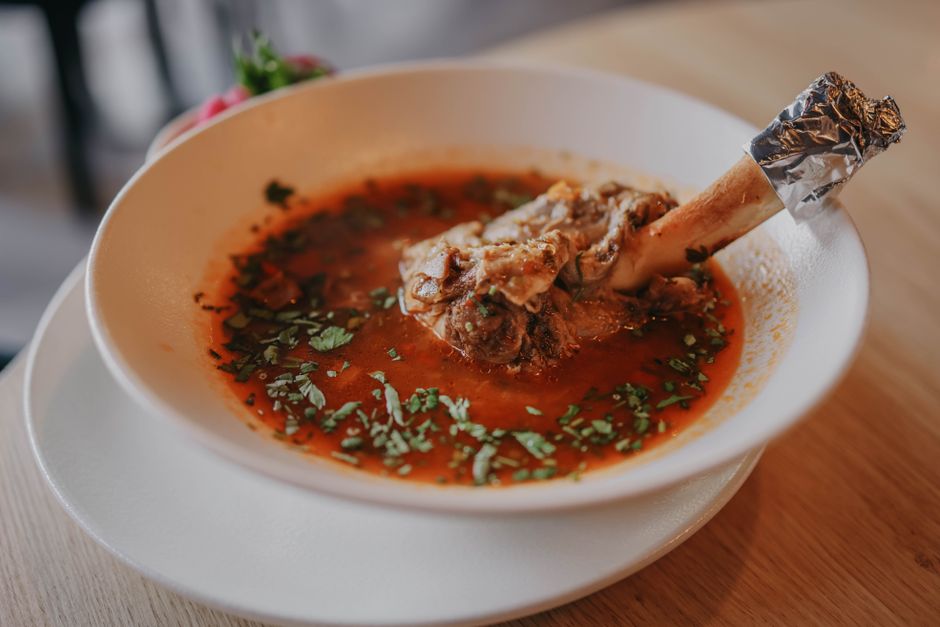
Bone soup is a broth made by simmering animal bones — usually beef, chicken, pork, or fish — in water for a long time, often with a splash of acid like vinegar. It supplies water, some minerals, and a modest amount of protein, especially collagen that breaks down into gelatin. The health claims attached to it are much bigger than the evidence. Bone soup is a reasonable, warming food, but it is not a cure for joint pain, leaky gut, or aging, and no clinical trial has shown those effects in people.
What Is Bone Soup Benefits Risks And How To Make It?
Bone soup — often called bone broth — is exactly what it sounds like. Bones, water, time, and usually some vegetables and seasoning. The bones are simmered gently for hours, and the liquid that results is strained and drunk or used as a base for other dishes.
The key thing that happens during simmering is that connective tissue breaks down. Bones and joints contain collagen, a protein. Heat and water turn collagen into gelatin, which gives good broth its body and its slight wobble when chilled. Some minerals leach into the liquid too, but the amounts are smaller than most people assume.
This is an old food, not a new trend. Broths made from bones have been part of many culinary traditions for centuries. What is new is the marketing around them — sold as a wellness product with claims that go well beyond what the evidence supports.
What Nutrients Does Bone Soup Actually Contain?
Bone soup is mostly water. What else it contains depends heavily on the bones used, how long they simmer, and whether any meat or skin is left on them.
Meatier bones and bones with attached skin produce more protein. Chicken broth with skin and meat will contain more dissolved protein than a broth made from bare bones. The main protein present is gelatin, derived from collagen.
Gelatin is an incomplete protein. It is low in several essential amino acids, including tryptophan and cysteine, so it cannot replace a complete protein source like meat, eggs, or dairy in your diet. It also lacks the amino acid profile that supports muscle building well.
Mineral content is where claims often outrun reality. Calcium, magnesium, and phosphorus do move from bone into broth, but the amounts are modest and vary widely. Some research has found calcium levels in bone broth far lower than marketing suggests — a cup of broth is not a meaningful calcium source compared with milk, yogurt, or fortified foods. The acid added to the pot (vinegar is common) does not dramatically change this; the effect is small.
Bone soup also contains small amounts of electrolytes, including sodium and potassium, along with whatever vegetables and salt you add. Sodium content can be high if the broth is salted generously or made from commercial stock.
Does Bone Soup Have Proven Health Benefits?
The honest answer is that the evidence in people is thin. Most of the enthusiasm comes from laboratory studies, animal research, and personal reports, not from controlled human trials.
Here is what is reasonably well established and what is not:
- Hydration and warmth: Broth is a pleasant way to take in fluid, especially when you are cold or under the weather. This is real but modest.
- Protein and collagen intake: Bone soup does supply some dietary collagen in the form of gelatin. Whether eating collagen improves skin, joints, or gut health is still being studied. Some trials of collagen supplements suggest possible small effects on skin elasticity and joint discomfort, but those studies used specific supplements, not bone broth, and results vary. Applying those findings to a bowl of soup is a leap.
- Gut health claims: The idea that bone broth “heals” the gut lining or treats “leaky gut” is not supported by clinical evidence. Gelatin and the amino acid glycine have been studied in laboratory settings, but no human trial has shown bone soup repairs the intestinal lining in a meaningful way.
- Joint pain: Some people report relief, but no controlled trial has confirmed that bone broth reduces arthritis pain. Reports of improvement are real to the people who experience them, but they are not proof of cause and effect.
One clarification worth making: collagen you eat does not travel intact to your joints or skin. Digestion breaks it into amino acids and short peptides, which your body then uses wherever it needs them. Eating collagen does not automatically rebuild the collagen in your knee or your face. Your body decides where those building blocks go.
What Are the Risks of Bone Soup?
For most healthy adults, bone soup is a low-risk food. The risks that do exist are worth knowing.
Lead and heavy metals. This is the most discussed concern. Bones can accumulate lead and other metals over an animal’s life, and long simmering could, in theory, release some into the broth. Research on this has produced mixed results. Some studies have found detectable lead in bone broth, generally at low levels; others have found little. The evidence is not strong enough to say bone broth is dangerous, but it is also not strong enough to say the concern is settled. If you are pregnant, breastfeeding, or feeding young children, it is reasonable to discuss this with a clinician rather than assume broth is risk-free.
Sodium. Many recipes and commercial broths are high in salt. If you have high blood pressure or are watching sodium, check what you add.
Food safety. Broth is a warm, protein-rich liquid. Left out too long or stored improperly, it can support bacterial growth. Cool it quickly, refrigerate it promptly, and reheat it thoroughly. Standard food safety guidance applies — do not leave it at room temperature for extended periods.
Bone fragments and choking. Strain broth well, especially if children will drink it.
Not a meal replacement. Because the protein is incomplete and the calorie and nutrient content is low, broth should not stand in for meals, particularly for children, older adults, or anyone recovering from illness who needs adequate protein and calories.
How Do You Make Bone Soup at Home?
Making bone soup is straightforward. The method matters more than any special ingredient.
Start with bones from a butcher — beef marrow bones, chicken backs and feet, or fish frames. Roasting them first in a hot oven until browned adds flavor and color. Put the roasted bones in a large pot, cover with cold water, and add a splash of vinegar. Bring to a gentle simmer, then keep it low. Skim off the foam that rises in the first half hour. Add aromatics — onion, carrot, celery, peppercorns, a bay leaf. Simmer for several hours, longer for beef bones than for chicken. Strain through a fine mesh strainer, cool quickly, and refrigerate. Fat will rise and can be skimmed off.
Salt it lightly as you use it, not heavily at the start. Store in the fridge for a few days or freeze in portions.
There is no official recommended simmering time. Common practice ranges from a few hours for chicken to much longer for beef, but no clinical guideline sets a duration. Longer simmering extracts more gelatin and flavor, and also more of whatever else is in the bones.
Is Bone Soup Worth Drinking?
Bone soup is a nourishing, comforting food with a long culinary history. It provides fluid, some protein, and a pleasant base for soups and stews. As part of a balanced diet, it fits fine.
What it is not is a treatment. The claims about joint repair, gut healing, and anti-aging are not backed by clinical trials in people. If you enjoy it, drink it for what it is. If you are hoping it will fix a specific health problem, the evidence does not support that hope — and it is worth talking to a clinician about approaches that do have evidence behind them.
Frequently Asked Questions
Is bone soup actually good for you?
It is a reasonable food that provides fluid and some protein, mainly gelatin. The larger health claims about joints, skin, and gut healing are not confirmed by human trials.
Does bone soup contain lead?
Some studies have found low levels of lead in bone broth, while others have found little, so the evidence is mixed. Pregnant women, breastfeeding women, and young children should discuss this with a clinician rather than assume it is risk-free.
How long should you simmer bone soup?
There is no official recommended time; common practice ranges from a few hours for chicken to much longer for beef bones. Longer simmering extracts more gelatin and flavor.
Can bone soup replace a meal?
No. Its protein is incomplete and its calorie and nutrient content is low, so it should not stand in for meals, especially for children or anyone recovering from illness.
