
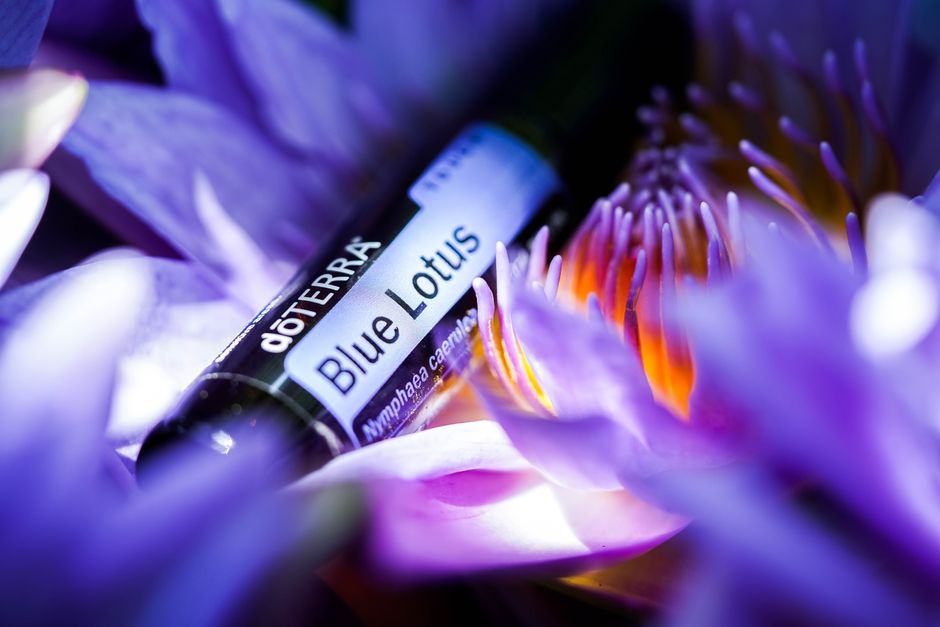
Blue lotus is a water lily with a long history in ancient Egyptian art and modern wellness marketing. It is not a proven medicine, and the evidence behind most claims about it is thin. The plant is Nymphaea caerulea, a blue-flowered water lily native to parts of Africa. It is different from the blue lotus of Buddhist and Hindu tradition, which is a separate species (Nelumbo nucifera). That mix-up is common, and it matters when you read product labels.
People use blue lotus today for relaxation, sleep, and mood. Some take it as a tea, some vape it, and some buy extracts or “blue lotus” seltzers. The chemistry is real. The clinical evidence is not. This article explains what the plant is, what the research actually shows, and where the marketing runs ahead of the science.
What Is Blue Lotus and Where Does It Come From?
Blue lotus is an aquatic plant with floating leaves and pale blue flowers. It grows in slow-moving water and wetlands, mainly in parts of eastern and southern Africa. The flowers open above the water and close again, which is part of why the plant captured human attention for thousands of years.
The species is Nymphaea caerulea. It belongs to the water lily family, Nymphaeaceae. Ancient Egyptian art shows the flower in tomb paintings, and some scholars believe it was used in religious and social settings. How exactly it was used, and whether it was psychoactive in those settings, is debated by historians and remains uncertain.
One clarification worth making: the plant most people picture as “blue lotus” in yoga studios and Buddhist imagery is usually the sacred lotus, Nelumbo nucifera. That is a different plant in a different family. Products sold as blue lotus are not always what the label says, and researchers have found that some commercial samples are mislabeled or adulterated.
What Is Blue Lotus Used For?
Blue lotus is used mainly as a mild relaxant and sleep aid. People brew the flowers as a tea, smoke or vape dried plant material, or take extracts sold as tinctures and capsules. Some use it for anxiety or as a substitute for alcohol.
These uses are traditional and popular, not proven. There are no large human trials showing that blue lotus treats insomnia, anxiety, or any medical condition. What exists is a small body of laboratory research and a lot of anecdotal reports.
In recent years blue lotus has appeared in drinks and “functional” beverages marketed for calm. Regulators have taken notice. In the United States, the FDA has issued warnings about blue lotus in food and drink products, stating that it is not an approved food ingredient. That is a regulatory position, not a safety verdict on every use, but it is worth knowing before you buy a blue lotus seltzer.
What Does the Science Say About Blue Lotus?
The research on blue lotus is early-stage and mostly done in cells and animals. The plant contains alkaloids, including one called apomorphine, and flavonoids such as quercetin. Apomorphine is the compound most often linked to the plant’s reported effects.
Here the details matter. Apomorphine is a real drug used in medicine, mainly for Parkinson’s disease, and it is given by injection or under the tongue. The amount present in blue lotus plant material is generally small and varies widely. Laboratory studies have found apomorphine and related compounds in blue lotus extracts, but the levels differ from sample to sample.
Some laboratory work suggests blue lotus extracts can interact with brain signaling pathways involved in mood and relaxation. That is a mechanism, not proof of benefit in people. A plausible mechanism does not mean a plant reliably produces a clinical effect, and it does not tell you what dose is safe.
The short version: no well-controlled human trials have established that blue lotus improves sleep, reduces anxiety, or treats any condition. Anyone who tells you otherwise is ahead of the evidence.
Is Blue Lotus Legal?
Blue lotus is legal in most of the United States, but the rules are uneven and changing. It is not a controlled substance under federal law. Several states and cities have moved to restrict or ban sales, often in response to blue lotus drinks and vape products.
The FDA has stated that blue lotus is not authorized as a food ingredient or dietary supplement ingredient. That means products marketed as food or supplements containing it sit in a gray area. Enforcement has focused on beverages and products making drug-like claims.
Because local rules shift, the honest advice is to check your state and local regulations before buying. Labels on these products are not a reliable guide to legality or contents.
What Are the Risks and Side Effects of Blue Lotus?
The safety profile of blue lotus in humans is not well established. That is the central risk. When a plant has not been studied in controlled human trials, claims that it is “natural and safe” are assumptions, not findings.
Reported side effects are mostly anecdotal and include drowsiness, dizziness, and nausea. Because the plant contains apomorphine, a compound that can affect blood pressure and cause nausea at higher exposures, there is a theoretical concern about effects on blood pressure and heart rate. How much this matters at typical recreational doses is unknown.
Other concerns worth taking seriously:
- Product quality. Testing has found that some blue lotus products are mislabeled, contain the wrong plant, or include added substances. You may not get what the label promises.
- Drug interactions. Blue lotus has not been studied for interactions with medications. Anyone taking prescription drugs, especially for blood pressure, mental health, or Parkinson’s disease, should treat it as unknown territory.
- Pregnancy and breastfeeding. There are no clinical guidelines for blue lotus use in pregnancy or breastfeeding. The safest position is to avoid it, because safety data do not exist.
- Driving and operating machinery. Because it is used as a relaxant and may cause drowsiness, combining it with driving or alcohol is unwise.
If you have a heart condition, low blood pressure, or take regular medication, the lack of human safety data is a genuine reason for caution. This is not a case where “natural” equals “harmless.”
How Does Blue Lotus Compare to Other Relaxants?
Blue lotus is often grouped with chamomile, valerian, and passionflower as a calming herb. The comparison is fair in one sense: all are plant-based and all are marketed for relaxation. It is unfair in another: the others have more human research behind them, though even that evidence is modest.
Chamomile and valerian have been studied in small clinical trials for sleep, with mixed results. Passionflower has some trial data for anxiety, also limited. Blue lotus has far less human data than any of these. Placing it in the same category overstates what is known about it.
If the goal is relaxation, the honest framing is that blue lotus is the least studied option in that group. That does not make it dangerous by default. It means the evidence base is thinner, and the product quality issues are more pronounced.
What Should You Know Before Trying Blue Lotus?
Know that you are using a plant with traditional appeal and thin modern evidence. That is not a reason for panic. It is a reason to be clear-eyed about what you are buying and why.
Check the label, but do not trust it fully. Look for third-party testing if a product offers it, and be skeptical of bold health claims. Avoid combining blue lotus with alcohol, sedatives, or medications without talking to a clinician who knows your history.
If you are pregnant, breastfeeding, managing a heart condition, or taking prescription drugs, the lack of safety data is a real reason to skip it. For everyone else, the decision rests on personal risk tolerance, not on proof of benefit. That is the honest position, and it is the one most product marketing will not give you.
Frequently Asked Questions
Is blue lotus the same as the lotus flower in Buddhism?
No. Blue lotus is Nymphaea caerulea, a water lily, while the sacred lotus of Buddhist and Hindu tradition is Nelumbo nucifera, a different plant. The two are often confused in marketing and casual conversation.
Does blue lotus get you high?
Some users report mild relaxation or a slight mood change, but there is no clinical evidence establishing a reliable psychoactive effect in humans. Reports vary widely, and product contents are inconsistent.
Is blue lotus safe to drink as a tea?
Human safety data are limited, and the FDA has stated that blue lotus is not an approved food ingredient. Occasional traditional tea use is common, but it has not been established as safe in controlled studies.
Can you buy blue lotus legally in the US?
It is legal in many states, but several states and cities have restricted sales, and rules are changing. Check your local regulations, because federal law does not settle the question.
