
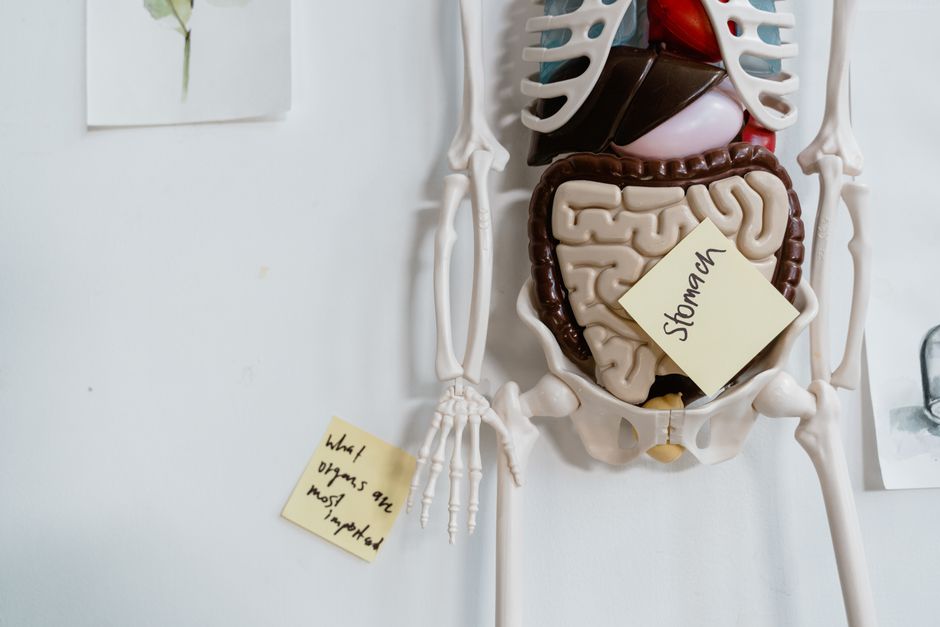
Bloating is the feeling of fullness, pressure, or tightness in your abdomen, often accompanied by a visibly swollen belly. It happens when your gastrointestinal tract fills with gas or fluid, and it is one of the most common digestive complaints that brings people to their doctor. While occasional bloating after a large meal is normal, frequent or painful bloating can signal an underlying digestive issue worth investigating.
What Does Bloating Mean for Your Digestive System?
Bloating is a symptom, not a disease. It means something is causing your abdominal cavity to feel stretched or pressurized. In most cases, that something is gas produced during digestion.
Your intestines naturally contain gas from two sources: air you swallow when eating or drinking, and gas produced when bacteria in your colon break down undigested food. When gas accumulates faster than your body can pass it, the intestinal walls stretch. That stretching triggers nerve receptors that send a signal to your brain: something feels full, tight, or uncomfortable.
This is why bloating often comes with visible distension — the abdomen actually expands as gas pushes against the abdominal wall. Not everyone who feels bloated shows visible swelling, and not everyone with a swollen belly feels bloated. The two can occur separately, though they often appear together.
How Is Bloating Different from Stomach Fat?
Bloating is temporary. Fat is permanent until you lose it. This distinction matters because many people mistake chronic bloating for weight gain or abdominal fat.
True bloating comes and goes, often within hours or days. It tends to worsen throughout the day and improve overnight. It can change your waist measurement by an inch or more within a single day. Fat, by contrast, builds gradually and does not fluctuate hour to hour.
If your abdomen is consistently larger but never returns to a baseline size, that is more likely weight gain or another structural issue, not bloating. If you notice daily fluctuations with a normal baseline each morning, bloating is the more likely explanation.
What Are the Most Common Causes of Bloating?
Several everyday habits and conditions can trigger bloating. Understanding which one applies to you helps determine whether home changes will resolve it or whether you need medical input.
- Swallowed air: Eating too quickly, drinking through straws, chewing gum, or carbonated beverages introduce extra air into your digestive tract.
- Gas-producing foods: Beans, lentils, broccoli, cabbage, onions, and certain fruits contain carbohydrates that some people cannot fully digest. Bacteria ferment these leftovers and produce gas.
- Constipation: When stool moves slowly through your colon, it gives bacteria more time to ferment, producing more gas. The backed-up stool itself also takes up space.
- Lactose intolerance: Many adults stop producing enough lactase, the enzyme that breaks down milk sugar. Undigested lactose ferments in the colon and causes bloating, gas, and diarrhea.
- FODMAP sensitivity: Some people react to a group of short-chain carbohydrates called FODMAPs found in wheat, dairy, certain fruits, and sweeteners. These draw water into the intestine and ferment rapidly.
- Hormonal changes: Many women experience bloating before or during their menstrual period due to fluid retention and hormonal shifts that slow digestion.
- Slow gastric emptying: When the stomach takes longer than normal to empty its contents into the small intestine, food sits longer and produces a full, bloated feeling.
These causes are common and generally manageable with dietary adjustments. If your bloating is occasional and linked to specific meals, one of these is likely responsible.





When Should Bloating Concern You?
Most bloating is harmless and temporary. But sometimes it signals a condition that needs medical evaluation.
You should see a doctor if bloating is severe, persistent, or accompanied by other symptoms. Red flags include unintentional weight loss, blood in your stool, persistent diarrhea or constipation, vomiting, or pain that wakes you at night. Bloating that develops suddenly and stays constant — rather than coming and going — also warrants attention.
Certain medical conditions can cause bloating as a primary symptom. Irritable bowel syndrome (IBS) affects how your brain and gut communicate, leading to altered motility and increased gas sensitivity. Celiac disease damages the small intestine when you eat gluten, causing bloating along with diarrhea, fatigue, and nutrient malabsorption. Small intestinal bacterial overgrowth (SIBO) occurs when bacteria that normally live in the colon migrate upward into the small intestine, where they ferment food prematurely.
In women, ovarian issues can sometimes cause abdominal swelling. Persistent bloating that feels different from your normal digestive pattern should be discussed with a gynecologist or primary care doctor, especially if you also feel full quickly when eating.
None of these conditions can be diagnosed from bloating alone. But if your bloating fits a concerning pattern, medical evaluation is the appropriate next step rather than continued self-treatment.
What Actually Relieves Bloating?
For occasional bloating, simple measures often help. Slowing down while eating reduces swallowed air. Walking after a meal stimulates natural gut motility and helps move gas along. Gentle abdominal massage can also encourage gas to pass.
Over-the-counter simethicone products break up gas bubbles in your digestive tract, though research on their effectiveness for bloating is mixed. Some people find peppermint oil capsules helpful, particularly when bloating occurs alongside IBS symptoms. Activated charcoal is sometimes marketed for gas, but evidence for its effectiveness is limited.
If bloating follows a pattern — for example, it always happens after dairy or after a meal of beans — the most effective approach is identifying your trigger foods. Keeping a food diary that tracks what you eat and when bloating occurs can reveal patterns you might otherwise miss.
A low-FODMAP diet is one evidence-based approach for people with persistent bloating who have not found relief through general dietary changes. This diet temporarily eliminates high-fermentation carbohydrates, then gradually reintroduces them to identify personal triggers. The low-FODMAP diet should be done under the guidance of a dietitian because it is restrictive and can lead to nutrient gaps if followed incorrectly for extended periods.
Can Probiotics Help with Bloating?
Probiotics are live bacteria that may influence the balance of microbes in your gut. Some research suggests certain strains can reduce bloating, particularly in people with IBS. However, results vary widely between studies, and no single probiotic strain has consistently proven effective for bloating across different populations.
The evidence is not strong enough to recommend a specific probiotic product for bloating. Some people report improvement, while others notice no change or even temporary worsening as their gut adjusts. If you choose to try a probiotic, look for products that list specific strains and give them at least four weeks before judging their effect.
What matters more than any supplement is the overall balance of your diet. Adequate fiber supports regular bowel movements, which reduces the time bacteria have to ferment waste. But increasing fiber too quickly can worsen bloating, so any increase should be gradual over several weeks.
What Bloating Is Not Telling You
Social media and wellness marketing often attribute bloating to vague concepts like “toxins” or “poor gut health.” These explanations oversimplify a complex digestive process and lead people toward unnecessary cleanses or detox products.
No clinical evidence supports the idea that bloating results from toxin buildup that requires cleansing. Your liver and kidneys continuously process and eliminate waste products — no special diet or supplement enhances this beyond normal function. Bloating is a mechanical and microbial phenomenon, not a sign of poisoning.
Similarly, “leaky gut” — a term used to describe increased intestinal permeability — is frequently blamed for bloating in popular media. While intestinal permeability is a real biological phenomenon studied in certain conditions, it has not been established as a cause of routine bloating in otherwise healthy people. No validated test exists for diagnosing it in clinical practice, and no specific treatment has been proven to reverse it.
Frequently Asked Questions
How long does normal bloating last?
Normal bloating after a meal typically resolves within a few hours as gas passes and digestion completes. If bloating lasts more than a day or two without improvement, it warrants attention.
Can drinking more water reduce bloating?
Adequate hydration supports regular bowel movements and can help prevent constipation-related bloating. Water alone will not eliminate bloating caused by gas production or food sensitivities.
Is bloating a sign of weight gain?
Bloating is temporary abdominal distension, not fat accumulation. If your waist measurement returns to baseline each morning, you are experiencing bloating rather than weight gain.
Does everyone experience bloating?
Nearly everyone experiences bloating occasionally, often after large meals or gas-producing foods. Frequent or severe bloating is not universal and may indicate a specific trigger or underlying condition.
