
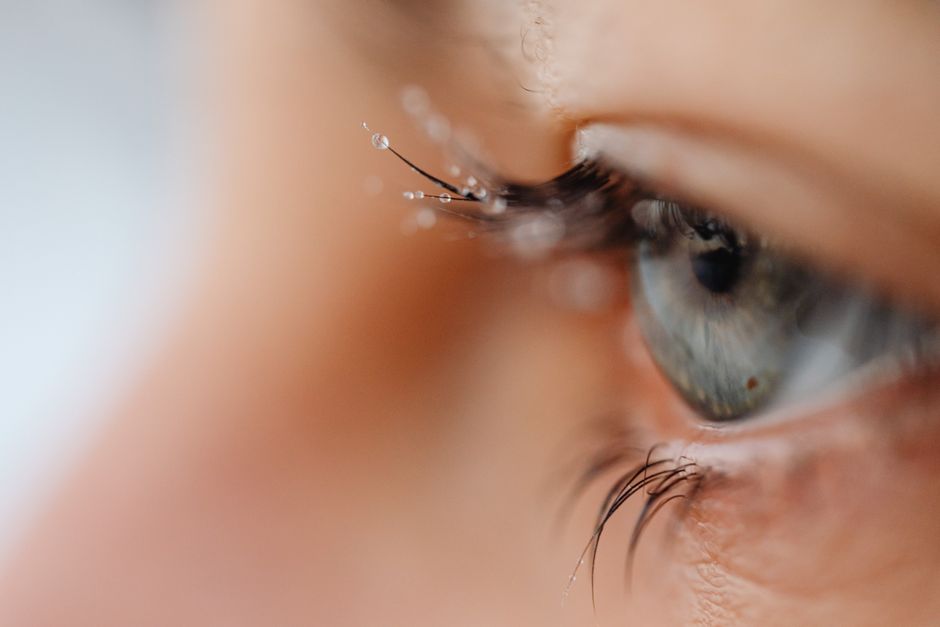
Blepharitis is inflammation of the eyelids. It most often affects the edges of the lids where the eyelashes grow, and it can involve the oil glands, the skin, or both. It is one of the most common reasons people see an eye doctor, and it tends to be a long-term condition that comes and goes rather than a one-time infection.
The word comes from blepharon, Greek for eyelid, and -itis, meaning inflammation. That is really all the name tells you. It describes where the problem is, not what caused it.
What Is Blepharitis Of The Eye?
Blepharitis is a chronic inflammatory condition of the eyelid margins. The eyelids contain dozens of tiny oil glands — the meibomian glands — that line up along the inner edge of each lid and release oil onto the surface of the eye with every blink.
That oil is not a small detail. It forms the outer layer of the tear film and slows evaporation. When those glands get blocked, inflamed, or infected, the tear film destabilizes. The result is irritated, gritty, red-rimmed eyes that often feel worse in the morning.
Two types are usually described, and many people have both at once:
- Anterior blepharitis affects the outside of the lid margin, around the base of the eyelashes. It is often linked to bacteria on the lid or to seborrheic dermatitis — the same scaly skin condition that causes dandruff.
- Posterior blepharitis involves the meibomian glands themselves. It is also called meibomian gland dysfunction, or MGD. This is the more common type in eye clinics.
Blepharitis is not contagious and it does not damage vision directly. It is uncomfortable and persistent, and it can set the stage for other eye problems — which is why eye doctors take it seriously even though it is rarely dangerous.
What Causes Blepharitis?
There is no single cause. Blepharitis is better understood as a final common pathway that several different problems feed into.
Bacterial overgrowth on the lid margin is common. The skin around the lashes hosts bacteria normally, and in some people those bacteria produce substances that irritate the lid and the eye surface. Blocked oil glands are another major driver: when the oil thickens or the gland opening narrows, oil backs up, the gland becomes inflamed, and the lid margin swells.
Seborrheic dermatitis is a frequent contributor to the anterior type. So are skin conditions like rosacea — a well-recognized link, though not everyone with blepharitis has rosacea and vice versa. Demodex mites, tiny organisms that live in eyelash follicles, are found more often in people with blepharitis, but they are also found in many people without it. Their role is not fully settled.
Contact with cosmetics, eye drops, or other products can irritate the lid margin. So can dry eye, allergies, and exposure to smoke or dust. Age matters too — meibomian gland function tends to decline over time, which is part of why blepharitis becomes more common in middle age and beyond.
What Are The Symptoms Of Blepharitis?
Symptoms are usually worse in the morning. That pattern is a useful clue, because it reflects what happens overnight: oil builds up, the lids sit closed for hours, and crusting forms along the lash line.
Common symptoms include:
- Gritty, burning, or sandy sensation in the eyes
- Red, swollen, or crusted eyelid margins
- Flakes or dandruff-like scales on the lashes or lid edge
- Itching, often along the lash line
- Watery eyes or, conversely, a dry, scratchy feeling
- Mild sensitivity to light
- Eyelids that stick together on waking
- Blurred vision that clears with blinking
That last symptom deserves a note. Blepharitis does not usually cause true vision loss. When vision blurs and then sharpens after a blink, it is often because oil or debris is sitting on the surface of the eye — a film problem, not a problem inside the eye. Persistent or fixed vision loss is a different matter and needs prompt evaluation.
Blepharitis can also cause a stye (a tender lump at the lid edge) or a chalazion (a blocked gland that forms a firmer, usually painless bump). These are related but distinct problems.





How Is Blepharitis Diagnosed?
Diagnosis is usually made in the eye doctor’s office by examining the eyelids under magnification. There is no single blood test or scan that confirms blepharitis.
The exam typically looks at the lid margin, the lash line, and the openings of the meibomian glands. A doctor may press gently on the eyelid to see whether oil flows out normally — this is called expressing the glands. The quality of the oil matters: healthy glands release clear oil easily, while blocked glands may release thick, cloudy, or no oil at all.
The tear film is also assessed, along with the health of the eye surface. Because blepharitis so often travels with dry eye, the two are usually evaluated together. In some cases a doctor will check for rosacea or seborrheic dermatitis elsewhere on the face and scalp.
Conditions that can look similar include dry eye alone, allergic eye disease, and infection of the lid skin. This is why an exam matters — the treatment is not identical for each.
How Is Blepharitis Treated?
Blepharitis is managed, not cured. That framing matters, because people who expect a short course of drops to fix it tend to be disappointed. The mainstays of care are daily lid hygiene and warmth, and the evidence behind these basic measures is solid.
Warm compresses are the standard starting point for posterior blepharitis. Applying gentle warmth to the closed lids helps soften the oil in the glands so it can flow. The effect is temporary, which is why it usually needs to be done regularly rather than once.
Lid hygiene — gently cleaning the lid margin to remove crusts and debris — is the other core measure. Some clinicians recommend commercial lid wipes; others suggest diluted baby shampoo, though that traditional approach can be irritating to some people. Ask your eye doctor which is appropriate for you.
For anterior blepharitis with a bacterial component, doctors sometimes prescribe antibiotic ointment applied to the lid margin. This is common clinical practice, and it is reasonable, but it is not a permanent fix — bacteria return when treatment stops. For blepharitis linked to seborrheic dermatitis, treating the scalp and facial skin can help.
Artificial tears can ease surface irritation but do not treat the underlying lid problem. Topical steroid drops are sometimes used short-term to calm significant inflammation; these should only be used under medical supervision, because unsupervised steroid use on the eye carries real risks.
Newer in-office treatments for meibomian gland dysfunction exist, including devices that apply controlled heat and pressure to the lids. Evidence for these is still developing, and results vary. They are not a first-line approach, and no large body of trials has established them as superior to consistent home care.
What Happens If Blepharitis Is Left Untreated?
Blepharitis rarely threatens sight directly, and that is worth saying plainly. But leaving it alone has consequences.
Chronic lid inflammation is a well-recognized contributor to dry eye disease, and the two conditions reinforce each other. It can lead to recurrent styes and chalazia, thickened or scarred lid margins, and eyelashes that grow in the wrong direction — a condition called trichiasis, where lashes rub against the eye surface and cause damage over time.
In some cases, long-standing inflammation affects the cornea, the clear front surface of the eye. This is uncommon, but it is the main reason persistent lid symptoms deserve an exam rather than indefinite self-treatment.
Seek prompt care if you have significant eye pain, marked redness, sensitivity to light, a sudden change in vision, or a swollen lid that is hot and painful. Those can signal something more serious than routine blepharitis.
Can Blepharitis Be Prevented?
There is no proven way to prevent blepharitis entirely, because many of its causes — age-related gland changes, skin conditions, genetics — are not modifiable.
What can help is consistency. People with a tendency toward blepharitis often find that regular lid hygiene keeps symptoms calmer, even during periods when the eyes feel fine. Stopping care when symptoms fade is a common reason for flare-ups.
Other reasonable measures include removing eye makeup thoroughly before bed, replacing eye cosmetics periodically, avoiding sharing eye products, and managing skin conditions like rosacea and seborrheic dermatitis with a dermatologist’s help. Avoiding cigarette smoke and other eye irritants is sensible.
None of these is guaranteed to prevent a flare. They reduce the load on the lids, which is a realistic goal rather than a promise.
Frequently Asked Questions
Is blepharitis contagious?
No. Blepharitis is an inflammatory condition of the eyelids, not an infection you can pass to others. Some cases involve bacterial overgrowth, but that is normal lid flora rather than a transmissible infection.
Can blepharitis go away on its own?
It can improve temporarily, but it usually returns without ongoing lid care. Blepharitis is generally a chronic condition that is managed rather than cured.
Does blepharitis cause permanent vision loss?
Rarely. Blepharitis itself does not usually damage vision, though long-standing inflammation can affect the cornea in uncommon cases. Any sudden or lasting vision change should be checked by an eye doctor.
How often should I clean my eyelids if I have blepharitis?
Most eye doctors recommend daily lid hygiene, often once or twice a day, though the right routine depends on your specific case. Ask your eye doctor for a schedule suited to you.
