
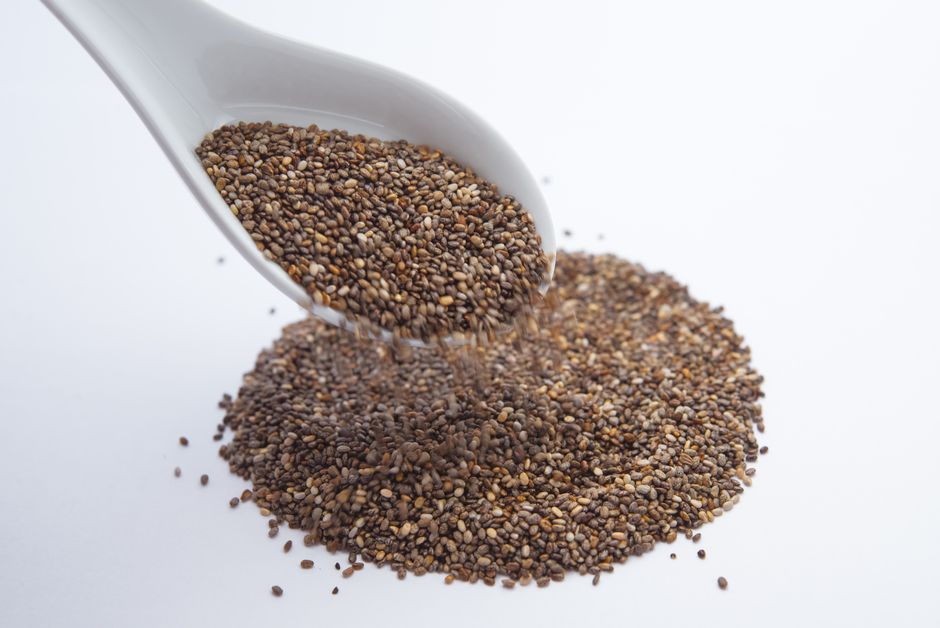
Black seed oil comes from the seeds of Nigella sativa, a flowering plant native to parts of Asia and the Middle East. People have used it for thousands of years as a traditional remedy. Today, research shows it has real anti-inflammatory and antioxidant properties, and it is most commonly used for skin conditions, allergies, and general immune support. It is not a cure for any disease, but it does have legitimate, evidence-backed uses worth understanding.
What Is Black Seed Oil Used For?
Black seed oil has three main uses supported by research: treating skin conditions, managing allergic conditions, and supporting metabolic health. The active compound in the oil is called thymoquinone. This compound is responsible for most of the oil’s anti-inflammatory and antioxidant effects.
For skin, the evidence is strongest. Some studies have found that black seed oil can reduce the severity of eczema and acne. For allergies, research on allergic rhinitis — commonly called hay fever — shows the oil can reduce symptoms like sneezing and nasal congestion. For metabolic health, some studies suggest it can help lower blood sugar and cholesterol levels, though the effects are modest.
Beyond these uses, people apply it to their hair, take it for joint pain, and use it for digestive complaints. The evidence for these uses is thinner. Some is traditional use passed down over centuries. Some is early-stage research that has not been confirmed in large human trials.
How Does Black Seed Oil Work in the Body?
The main active compound, thymoquinone, works through several pathways. It reduces inflammation by blocking certain inflammatory chemicals in the body called cytokines. It also acts as an antioxidant, which means it can neutralize harmful molecules called free radicals that damage cells over time.
This explains why the oil shows up in research on so many different conditions. Inflammation and oxidative stress are involved in almost every chronic disease. Anything that reduces both will show at least some effect across many conditions. That does not mean black seed oil treats all those conditions. It means the mechanism is broad rather than targeted.
One important detail: thymoquinone is poorly absorbed by the body. Much of what you swallow does not make it into your bloodstream. Some research uses high doses to overcome this. Some products claim to solve it with special formulations. The clinical significance of these enhanced formulations is not yet established.
What Does the Evidence Say About Skin Conditions?
Eczema is one of the most studied uses for black seed oil. Research published in dermatology journals has found that applying black seed oil to eczema patches can reduce redness, scaling, and itching. The anti-inflammatory effects of thymoquinone are likely responsible.
Acne is another area with some evidence. The oil has antimicrobial properties. One study found it was comparable to benzoyl peroxide in reducing acne lesions, though the study was small and short-term. Benzoyl peroxide remains the standard treatment, but black seed oil is a reasonable complementary option for people who prefer natural products.
For psoriasis, the evidence is weaker. Some early research is promising, but no large trials have confirmed the benefit. If you have psoriasis, talk to a dermatologist before relying on black seed oil. It may help alongside standard treatment, but it should not replace it.





Can Black Seed Oil Help With Allergies and Asthma?
Some of the most consistent research on black seed oil involves allergic conditions. A study on allergic rhinitis found that people who used black seed oil had fewer symptoms than those taking a placebo. The effect was noticeable within a couple of weeks.
The mechanism fits what we know. Allergic reactions involve an overactive immune response that causes inflammation in the airways and nasal passages. Thymoquinone dampens this response by reducing histamine release and calming the inflammatory cascade.
For asthma, the evidence is mixed but worth noting. Some studies show improved lung function and fewer asthma attacks in people taking black seed oil alongside their regular medication. Other studies show no significant benefit. Asthma is a serious condition. Never stop or reduce your prescribed asthma medication based on black seed oil use. If you want to try it, do so as an addition, not a replacement, and tell your doctor.
Is Black Seed Oil Effective for Blood Sugar and Cholesterol?
Several clinical trials have examined black seed oil for metabolic health. The results consistently show modest improvements in fasting blood sugar and HbA1c — a measure of long-term blood sugar control. The effects are real but small. They are not large enough to replace standard diabetes treatment.
For cholesterol, studies show black seed oil can lower LDL cholesterol (the “bad” kind) and triglycerides while raising HDL cholesterol (the “good” kind). Again, the changes are modest. They would be meaningful for someone with borderline levels who is looking for dietary support. They would not be enough for someone with high cholesterol who needs medication.
One caution: some diabetes medications can cause blood sugar to drop too low. Adding black seed oil on top of these medications could increase that risk. If you take medication for diabetes, monitor your blood sugar closely when starting black seed oil and tell your doctor.
What Are the Side Effects and Risks?
Black seed oil is generally safe when used in normal amounts. Most studies use doses of 1 to 3 grams per day with few side effects. Some people experience mild digestive upset, including nausea or bloating.
There are important exceptions. The oil can slow blood clotting. If you take blood thinners like warfarin, or if you have surgery scheduled, avoid black seed oil or talk to your doctor first. It can also lower blood pressure. If you already take blood pressure medication, combining them could drop your pressure too low.
Pregnant women should be cautious. Some animal research suggests high doses may affect uterine contractions. The safety of black seed oil during pregnancy has not been established. No clinical guidelines currently exist for this population. Most clinicians recommend avoiding it during pregnancy unless a doctor specifically advises otherwise.
Topical use can cause contact dermatitis in some people. If you apply it to your skin and develop redness, itching, or a rash, stop using it.
What Is the Difference Between Black Seed Oil and Black Seed Powder?
Black seed oil is pressed from the seeds. It contains a concentrated amount of thymoquinone and other fat-soluble compounds. Black seed powder is simply ground seeds. It contains fiber and other components but a lower concentration of the active compounds per gram.
For most therapeutic uses, the oil is more practical. You need much less of it to get the same active compounds. The powder is more commonly used in cooking or as a general dietary supplement.
One thing to watch: black seed oil goes rancid faster than the powder. The oil is sensitive to heat and light. Store it in a cool, dark place and check the expiration date. Rancid oil not only tastes bad, it loses its beneficial properties.
Which Form Should You Choose?
Quality varies significantly between products. Black seed oil is not regulated like a medication. It is sold as a supplement, which means the FDA does not verify the content or purity before it reaches store shelves.
Look for cold-pressed oil. Heat during extraction can destroy thymoquinone. Some products list the thymoquinone content on the label. This is a good sign — it means the manufacturer is testing their product. If the label does not mention thymoquinone, you have no way to know how much active compound you are getting.
Liquid oil is more versatile. You can take it by mouth or apply it to your skin. Capsules are more convenient and have no taste, which matters because the oil has a strong, somewhat bitter flavor. Both are fine. Choose based on how you plan to use it.
Frequently Asked Questions
Can black seed oil cure any disease?
No. Black seed oil has anti-inflammatory and antioxidant properties that can help manage certain conditions, but no study has shown it can cure any disease.
How long does it take for black seed oil to work?
Most studies show effects within 4 to 12 weeks of consistent use. Skin conditions and allergy symptoms typically respond faster than metabolic changes like blood sugar or cholesterol.
Can I take black seed oil every day?
Yes, most research uses daily dosing of 1 to 3 grams with no serious side effects. Stop and talk to a doctor if you take blood thinners, blood pressure medication, or diabetes medication.
Is black seed oil safe for children?
No clinical guidelines currently exist for children. Most research has been done on adults. Talk to a pediatrician before giving black seed oil to a child.
