
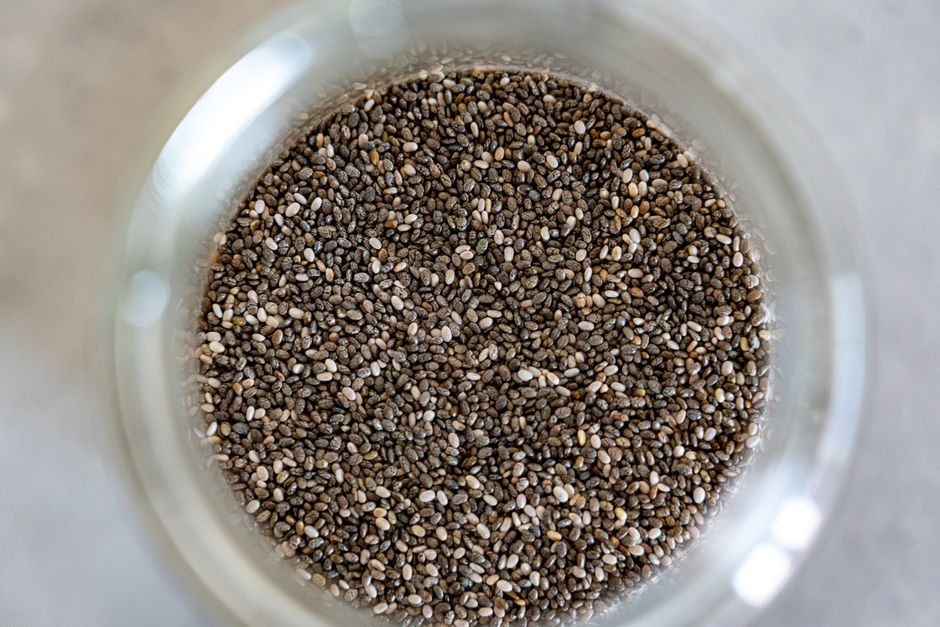
Black seed oil is a cold-pressed or solvent-extracted oil made from the seeds of Nigella sativa, a flowering plant grown across the Middle East, North Africa, and parts of Asia. The seeds are small and black, and the oil pressed from them has been used as both a food ingredient and a traditional remedy for centuries. It is sometimes called black cumin seed oil or kalonji oil, though it is not related to ordinary cumin.
The oil’s distinctiveness comes from a compound called thymoquinone, which is the main active constituent studied in laboratory and clinical research. Black seed oil is sold as a dietary supplement in capsule and liquid form, and it appears in some foods and cosmetics. It has real research behind it, but the evidence is uneven — strong in some areas, thin in others, and frequently oversold in marketing.
What Is Black Seed Oil?
Black seed oil is the fixed oil extracted from Nigella sativa seeds. The seeds contain a mix of fatty acids, volatile oils, and other plant compounds, and the oil is typically dark amber to brownish with a strong, slightly bitter, peppery taste.
The seed itself has a long history in traditional medicine across several cultures, and it appears in classical medical texts from the Islamic world and South Asia. That history is real, but traditional use is not the same as proven clinical benefit. Modern research has tested some of those traditional claims, and the results are a mixed picture.
The oil’s fatty acid profile is mostly unsaturated. It contains linoleic acid, oleic acid, and smaller amounts of other fatty acids, along with the volatile compounds that give it its smell and taste. Thymoquinone, the most-studied of these, has drawn the most attention from researchers.
What Is the Difference Between Black Seed Oil and Black Cumin Oil?
They are usually the same thing. Black seed oil and black cumin seed oil both refer to oil from Nigella sativa, and the names are used interchangeably in commerce and in much of the research literature.
The confusion comes from the word cumin. Nigella sativa is not the same plant as Cuminum cyminum, which is the cumin used as a common cooking spice. They are unrelated botanically and have different flavors and chemical profiles. Some regions call Nigella sativa “black cumin” anyway, which is where the naming overlap started.
If you are buying a product labeled black cumin oil, check the botanical name on the label. If it says Nigella sativa, it is the same oil discussed here. If it says Cuminum cyminum, it is a different product entirely.
What Does the Research Say About Black Seed Oil?
The evidence for black seed oil varies sharply depending on what it is being studied for. Some areas have reasonable clinical data. Others rest almost entirely on laboratory or animal studies, which do not reliably predict what happens in people.
Some clinical trials have examined Nigella sativa in relation to blood pressure, blood glucose, and lipid levels. Results have been inconsistent across studies, and many trials were small. A small trial showing a change in a lab value is not the same as proof that a supplement changes health outcomes. That distinction matters, and it is routinely blurred in supplement marketing.
Laboratory research has shown that thymoquinone has antioxidant and anti-inflammatory activity in cell and animal models. This is genuine and has been studied for years. It is also a long way from demonstrating that taking black seed oil by mouth produces meaningful anti-inflammatory effects in humans at typical supplement doses.
Claims that black seed oil treats cancer, diabetes, or autoimmune disease are not supported by human clinical evidence. No large, well-controlled human trials confirm these uses. Anyone presenting them as established is overstating what the research shows.
One clarification worth making: the fact that a compound shows biological activity in a petri dish tells you almost nothing about whether a capsule of the oil will do anything useful in your body. Absorption, dose, metabolism, and the body’s own regulatory systems all get in the way. This is one of the most common gaps between lab findings and real-world benefit in supplement research.
How Is Black Seed Oil Used?
Black seed oil is most commonly taken as a dietary supplement. It comes in softgel capsules and as a bottled liquid, and the liquid is sometimes added to food or taken by the spoonful.
In cooking, the seeds and the oil are used as flavoring in some regional cuisines, particularly in South Asian and Middle Eastern cooking. The oil is strongly flavored, so it is typically used in small amounts rather than as a cooking oil.
It also appears in cosmetic products, including skin and hair preparations. Some people apply it topically. Topical use of the oil has been studied in a limited way, but the evidence is not strong enough to describe it as an established treatment for skin conditions.
Dosing is where caution is needed. Supplement doses vary widely between products, and there is no single agreed standard dose. Different trials have used different amounts and different preparations, which makes it hard to translate any one study’s results into a general recommendation. Check the product label and talk to a clinician before starting, especially if you take medication or have a health condition.
Is Black Seed Oil Safe?
Black seed oil is generally considered safe for most adults when taken in the amounts found in foods and in typical supplement doses. That is the honest position based on available evidence — not a guarantee.
Gastrointestinal upset is the most commonly reported side effect. Some people experience stomach discomfort, nausea, or loose stools. Topical use can cause skin irritation in some people.
There are real cautions. Black seed oil may interact with some medications, and it has been studied for effects on blood pressure and blood sugar, which means people taking drugs for those conditions should be careful about combining them without medical advice. Because it can affect blood clotting in laboratory and animal studies, people on blood thinners or preparing for surgery should discuss it with a clinician first.
Safety data for pregnant women, breastfeeding women, and children are limited. No clinical guidelines currently establish a safe supplement dose for these groups. Some traditional sources have advised against use during pregnancy, and given the absence of good safety data, that caution is reasonable. This is a case where the honest answer is that we do not have enough information.
Quality also varies. Supplements are not regulated the same way as medications in the United States, and the actual content of a product may not match its label. Third-party testing certifications are one way to check quality, though they do not guarantee effectiveness.
What Should You Know Before Buying Black Seed Oil?
Label reading matters more with black seed oil than with many supplements, because product quality and content vary substantially. A few practical points:
- Check the botanical name. It should say Nigella sativa.
- Look for third-party testing information if available.
- Note the amount of oil per serving, not just the capsule count.
- Be skeptical of products that promise to treat specific diseases.
- Compare thymoquinone content only if the label states it — many do not.
Be cautious with claims that frame the oil as a treatment for a diagnosed condition. No regulatory body has approved black seed oil as a drug for any disease. It is a supplement, and it should be treated as one.
If you take prescription medication, have a chronic condition, are pregnant or breastfeeding, or are scheduled for surgery, talk to a clinician before using it. That advice is not a formality — the interaction and safety questions are real and not fully answered by existing research.
Is Black Seed Oil Worth Trying?
Whether black seed oil is worth trying depends on what you expect from it. If you are looking for a food ingredient with a long history and some interesting research behind it, that is a reasonable framing. If you are looking for a proven treatment for a medical condition, the evidence does not support that expectation.
The research is genuinely active, and some findings are worth watching. But the gap between what is studied in a lab and what is demonstrated in people is large, and most marketing does not acknowledge it. A supplement with plausible biology and mixed clinical evidence should be treated as exactly that.
For most healthy adults, occasional use in food amounts is low-risk. Regular supplement use is a decision worth making with a clinician, particularly if you take medication or have health conditions. The most honest summary is that black seed oil is a real substance with real research behind it, and also a supplement whose benefits are frequently overstated.
Frequently Asked Questions
What is black seed oil good for?
It has been studied for effects on blood pressure, blood sugar, and inflammation, but results across human trials are inconsistent. No large trials confirm it treats any specific disease.
Is black seed oil the same as black cumin oil?
Usually yes — both names refer to oil from Nigella sativa. Check the botanical name on the label, because true cumin (Cuminum cyminum) is a different plant.
Can you take black seed oil every day?
Many people do take it daily in supplement doses without reported problems, but long-term safety data are limited. Talk to a clinician first if you take medication or have a health condition.
Does black seed oil cure anything?
No. No regulatory body has approved it as a treatment for any disease, and claims that it cures cancer, diabetes, or other conditions are not supported by human clinical evidence.
