
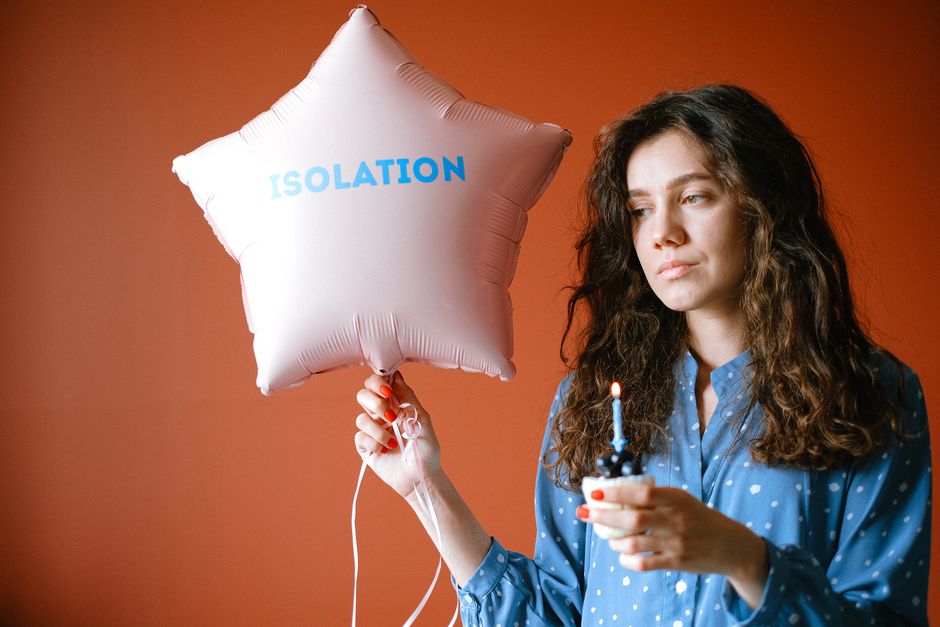
Birthday blues is the term for feeling sad, anxious, or down around your birthday, even when you have reasons to celebrate. It is not a medical diagnosis, but a recognized emotional experience that many people go through. The feelings can start days or weeks before the big day and often fade shortly after. While it is common and usually temporary, understanding why it happens can help you manage it better.
What Is Birthday Blues? Causes And How To Cope
Birthday blues describes a wave of negative emotions tied to your birthday. Instead of excitement, you might feel dread, sadness, or a sense of loss. This can happen at any age, but it is especially common during milestone birthdays like 30, 40, or 50. The condition is not listed in medical manuals, but mental health professionals recognize it as a real and valid experience.
The feelings typically come from reflection. Birthdays force a moment of self-assessment. You might compare where you thought you would be with where you actually are. That gap between expectation and reality can create sadness, anxiety, or regret. For some, the pressure to have a “perfect” day makes the letdown worse.
Why Do Birthdays Trigger Sadness?
Birthdays are a rare moment when time becomes very visible. Most days, you do not think about aging. On your birthday, the calendar reminds you directly. This can bring up thoughts about mortality, lost opportunities, or relationships that have changed.
Biological factors also play a role. Cortisol, the stress hormone, can spike when you feel pressure to perform socially or host an event. If you already deal with anxiety or depression, the emotional weight of a birthday can amplify those symptoms. The anticipation itself can be exhausting.
There is also a social element. Social media often fills your feed with idealized birthday posts from others. Seeing friends celebrating with large parties or heartfelt tributes can make your own quieter day feel inadequate. This comparison is not based on reality, but it still hurts.
Common Signs You Are Experiencing Birthday Blues
The signs vary from person to person, but some patterns are common. You might feel irritable or tearful without a clear reason. You may withdraw from plans or dread the idea of being the center of attention. Some people lose interest in activities they normally enjoy.
Physical symptoms can appear too. Trouble sleeping, changes in appetite, and low energy often accompany the emotional shift. You might also notice increased self-criticism. Thoughts like “I should have achieved more by now” or “I am running out of time” can loop in your mind.
These feelings usually pass within a few days. If they last longer than two weeks or interfere with your daily life, it may be worth talking to a healthcare provider. Persistent sadness could signal something beyond the birthday blues.





How Is Birthday Blues Different From Depression?
Birthday blues is situational and time-limited. It is tied directly to the birthday event and typically resolves on its own. Depression, by contrast, is a clinical condition that lasts most of the day, nearly every day, for at least two weeks. It affects sleep, appetite, energy, and concentration in ways that birthday blues usually does not.
Another difference is the trigger. Birthday blues has an obvious cause. Depression may have no clear trigger at all. If you find yourself feeling low for weeks after your birthday, or if the sadness does not lift, that is not birthday blues anymore. That is worth a professional conversation.
Birthday blues can also coexist with depression. People who already manage a mood disorder may find birthdays especially hard. If that is your situation, planning ahead with your support system or therapist can help.
Practical Ways To Cope With Birthday Blues
You do not have to wait for the feelings to pass. There are concrete steps you can take to soften them.
- Acknowledge the feeling. Naming it as birthday blues reduces its power. Remind yourself that this is a common, temporary experience.
- Lower the pressure. You do not owe anyone a party. A quiet dinner, a walk outdoors, or a day off work are all valid ways to mark the day.
- Plan something small. Having one small thing to look forward to can shift your focus. It could be a favorite meal, a phone call with a close friend, or a movie you have wanted to see.
- Limit social media. The comparison trap is real. Taking a break from platforms around your birthday can reduce feelings of inadequacy.
- Reframe the narrative. Instead of focusing on what you have not done, list three things you are genuinely glad about from the past year. This is not toxic positivity; it is a simple balance exercise.
Some people find it helpful to celebrate on their own terms, even if that means celebrating a week later. The date on the calendar does not have to dictate how you feel.
When To Seek Professional Help
Most cases of birthday blues are mild and short-lived. But there are warning signs that suggest you should talk to a professional. If the sadness does not lift within two weeks, if you lose interest in things you usually enjoy, or if you have thoughts of self-harm, reach out to a doctor or mental health provider.
Another sign is if the birthday blues keeps returning each year and gets worse. A therapist can help you understand the underlying patterns and build coping strategies that last beyond the birthday season. Therapy is not only for crisis; it is also for patterns that repeat.
If you are already in treatment for depression or anxiety, mention your birthday struggles to your provider. They may help you make a plan for the next birthday season. Preventative planning can make a real difference.
What To Say To Someone Experiencing Birthday Blues
If a friend or family member tells you they feel down about their birthday, resist the urge to fix it. Statements like “But you have so much to be grateful for” can feel dismissive. Instead, validate their experience. Say something like “That sounds hard. I am here for you.”
Ask what they need. Some people want distraction. Others want to talk. Some want permission to skip the celebration entirely. Follow their lead rather than pushing your idea of a good birthday.
Check in after the birthday, not just before. The day after can feel empty, especially if the build-up was intense. A simple text or call a few days later can mean a lot.
Can You Prevent Birthday Blues?
You cannot always prevent it, but you can reduce its intensity. The key is preparation. Think about what made past birthdays hard and plan around those triggers. If big gatherings stress you out, plan a small one. If silence makes you feel lonely, schedule a call with someone you love.
Setting a realistic intention for the day helps too. Instead of “This will be the best birthday ever,” try “I will do one thing I enjoy and let the rest go.” Lower expectations are not pessimism; they are protection.
Some research suggests that focusing on gratitude can improve mood, but the evidence is not strong enough to call it a cure. It is a tool, not a guarantee. Use what works for you.
Frequently Asked Questions
Is birthday blues a real condition?
It is a recognized emotional experience, but not a formal medical diagnosis. The feelings are real and common, even though they are not listed in clinical manuals.
How long do birthday blues last?
Most people feel better within a few days after their birthday. If symptoms last longer than two weeks, talk to a healthcare provider.
Can men experience birthday blues too?
Yes. Birthday blues affects people of all genders, though men may be less likely to talk about it openly.
What is the best way to cope with birthday blues?
Acknowledge the feeling, lower your expectations, and plan one small thing you genuinely enjoy. Limiting social media around your birthday can also reduce the comparison trap.
