
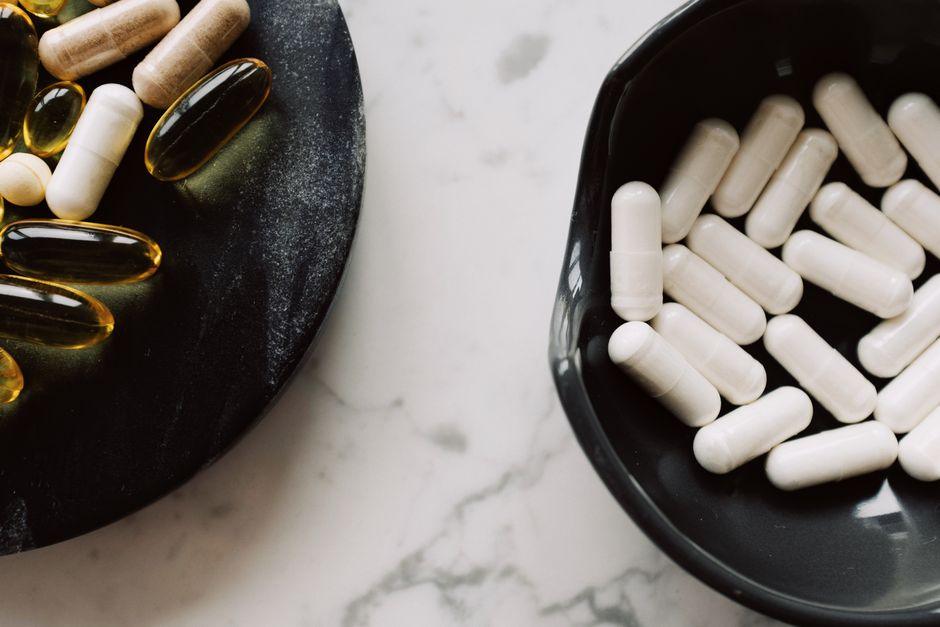
Biotin, also known as vitamin B7, is a water-soluble B vitamin that your body needs to convert food into energy. It is essential for the function of several enzymes that break down carbohydrates, fats, and proteins from the foods you eat. While biotin is widely marketed for hair, skin, and nail health, the clinical evidence supporting those specific uses is much weaker than the marketing suggests. For most people eating a balanced diet, biotin deficiency is rare, but the vitamin remains an important part of normal metabolism.
What Does Biotin Actually Do in the Body?
Biotin acts as a coenzyme, which means it helps other enzymes do their jobs. Specifically, it is a critical component of enzymes called carboxylases. These enzymes are involved in building fatty acids, making glucose, and breaking down certain amino acids.
Your body relies on biotin for the metabolism of macronutrients. Without it, your cells cannot efficiently extract energy from food. This is the most established and scientifically sound function of biotin. It is not a stimulant or an energy pill; rather, it is a necessary factor in the chemical reactions that produce usable energy at the cellular level.
Biotin also plays a role in gene regulation and cell signaling. Some research indicates it influences the expression of genes involved in glucose metabolism, but the exact clinical implications of this are still being studied. The core function remains clear: biotin is a metabolic workhorse, not a cosmetic additive.
Is Biotin Good for Hair, Skin, and Nails?
This is the most common reason people take biotin supplements. The short answer is that the evidence is limited. Biotin deficiency can cause hair thinning, a scaly skin rash, and brittle nails. In people who are genuinely deficient, supplementing with biotin can reverse these symptoms.
However, for a healthy person with normal biotin levels, taking extra biotin has not been shown to improve hair growth, strengthen nails, or clear skin. Some small studies have shown that high doses of biotin improved nail thickness and reduced nail splitting in women with brittle nails. This is the strongest evidence for cosmetic use, but it is not conclusive and does not apply to everyone.
Marketing often claims biotin will make hair thicker or grow faster. No large, high-quality clinical trials have confirmed this. If you have normal biotin levels, taking more will not necessarily change your hair or nails. If you are experiencing sudden hair loss or skin changes, see a doctor. It may be a sign of an underlying condition, not a biotin deficiency.
Who Is at Risk for Biotin Deficiency?
True biotin deficiency is rare in the United States because the vitamin is found in many common foods. However, certain groups have a higher risk.
- People with biotinidase deficiency, a rare genetic disorder that prevents the body from recycling biotin.
- People who consume large amounts of raw egg whites over a long period. Raw egg whites contain a protein called avidin that binds to biotin and prevents absorption.
- People with conditions that affect nutrient absorption, such as inflammatory bowel disease or short bowel syndrome.
- People who take certain anti-seizure medications, which may interfere with biotin metabolism.
- Pregnant and breastfeeding women may have slightly increased needs, though deficiency is still uncommon.
If you do not fall into one of these categories and eat a varied diet, you almost certainly get enough biotin from food alone. Supplements are not necessary for most people to prevent deficiency.





What Foods Are High in Biotin?
Biotin is widely distributed in foods, which is why deficiency is rare. Some of the best sources include organ meats like liver, eggs (particularly the yolk), nuts, seeds, and certain vegetables.
Other good sources include salmon, pork, avocado, sweet potatoes, and dairy products. Cooking can reduce biotin content in some foods, but the amounts lost are not clinically significant for most people.
There is no official Recommended Dietary Allowance (RDA) for biotin because deficiency is so rare. Instead, the National Academies established an Adequate Intake (AI) level. For adults, the AI is 30 micrograms per day. A single egg yolk contains roughly 10 micrograms, so meeting this target is easy with a normal diet.
Can You Take Too Much Biotin?
Biotin is water-soluble, which means your body excretes what it does not use in urine. There is no established upper limit or known toxicity level for biotin, and high doses up to 10,000 micrograms per day have been used in studies without serious side effects.
However, there is a significant safety concern that is often overlooked. High doses of biotin can interfere with laboratory tests, especially those used to measure thyroid function and troponin, a marker used to diagnose heart attacks. Biotin in the blood can cause these tests to show falsely high or falsely low results.
This interference can lead to misdiagnosis. If you take a biotin supplement, especially at doses above the AI, you must tell your doctor before any blood work. Some major medical organizations have issued warnings about this issue because it has caused real clinical errors.
Does Biotin Help with Blood Sugar or Weight Loss?
Biotin has been studied for its potential role in glucose metabolism. Some research suggests that biotin, particularly in combination with chromium, may improve blood sugar control in people with type 2 diabetes. The evidence here is preliminary and mixed. Some studies show modest benefits, while others show no effect.
There is no reliable evidence that biotin causes weight loss. The idea that a vitamin that helps metabolize food will automatically lead to fat loss is not supported by clinical research. Weight management depends on total calorie intake, physical activity, and overall dietary patterns. No vitamin supplement bypasses those fundamentals.
If you have diabetes or prediabetes, do not substitute biotin for standard medical treatment. Discuss any supplement use with your healthcare provider, as it can interact with your current management plan.
Are Biotin Supplements Necessary?
For the vast majority of adults, the answer is no. A balanced diet provides more than enough biotin to meet your body’s needs. The supplement industry promotes biotin heavily for hair and nail benefits, but the evidence does not support that expectation for healthy individuals.
If you are considering biotin for hair loss, first determine whether you actually have a deficiency. A doctor can test your biotin levels, though this is not routine. More often, hair loss is related to genetics, hormonal changes, stress, or iron deficiency, none of which biotin will fix.
If you do choose to take a supplement, a standard dose of 30 to 100 micrograms is reasonable. Doses of 2,500 to 10,000 micrograms are common in beauty supplements but are not supported by evidence for cosmetic benefit. Higher doses only increase the risk of lab test interference.
Frequently Asked Questions
Can biotin help with hair loss?
Only if the hair loss is caused by a true biotin deficiency, which is rare. For most people with normal biotin levels, no evidence shows that supplemental biotin stops or reverses hair loss.
What is a safe daily dose of biotin?
The Adequate Intake for adults is 30 micrograms per day, which is easily met through diet. Doses up to 10,000 micrograms appear safe, but they can interfere with blood tests.
Does biotin interact with any medications?
Biotin does not have major known drug interactions, but it can severely alter lab results for thyroid tests and cardiac markers. Always inform your doctor if you take biotin before having blood drawn.
Can I get enough biotin from food alone?
Yes. Eggs, liver, nuts, seeds, salmon, and avocado provide ample biotin for most healthy adults. Deficiency is rare and usually linked to specific medical conditions or extreme dietary habits.
