
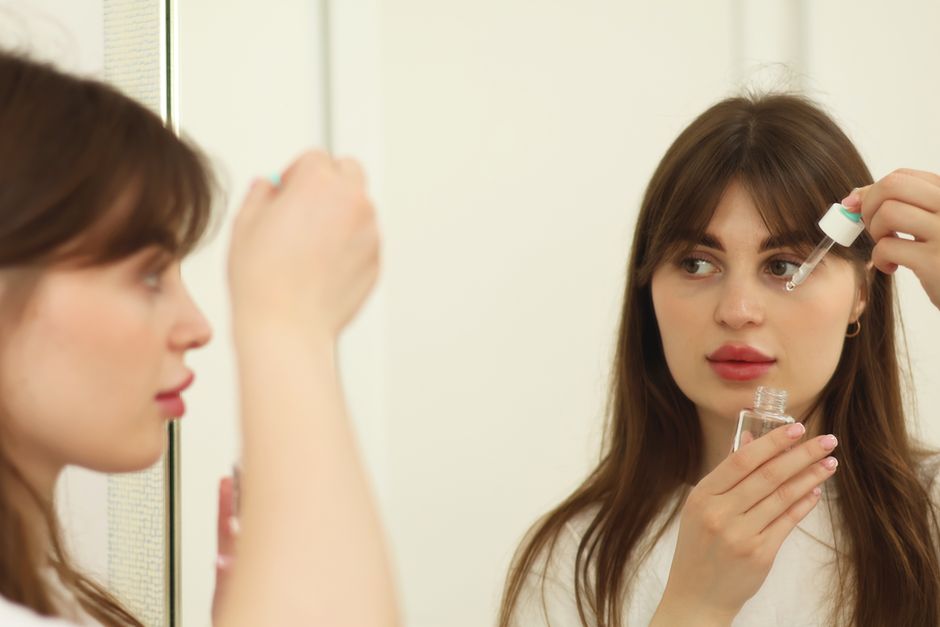
BHT, short for butylated hydroxytoluene, is a synthetic antioxidant used in many skin care products to stop oils and fats from going rancid. It works by reacting with oxygen in the air before the oxygen can damage the product’s ingredients. While it serves a clear purpose as a preservative, its safety profile in cosmetics has been a topic of ongoing debate for decades.
What Does BHT Actually Do in Skin Care?
BHT is a preservative and stabilizer. Many creams, lotions, and lip balms contain natural oils like shea butter, jojoba oil, or avocado oil. These oils can spoil when exposed to air and light. Spoiled oils change the smell, texture, and color of a product. They can also become irritating to the skin.
BHT prevents this process. It is added in small amounts to keep the product fresh and extend its shelf life. Without preservatives like BHT, many skin care products would need to be refrigerated and used within weeks of opening.
You will also find BHT in food packaging, certain processed foods, and even some medications. In skin care, it is typically used at concentrations of 0.01% to 0.1%, which is considered low.
Is BHT Safe for Skin?
Regulatory agencies have reviewed BHT extensively, and their conclusions depend on how it is used. The U.S. Food and Drug Administration (FDA) allows BHT as a direct food additive. For cosmetics, the FDA does not require pre-market approval, but it does require that ingredients are safe when used as directed.
The Cosmetic Ingredient Review (CIR) Expert Panel, an independent body that evaluates cosmetic ingredient safety, has concluded that BHT is safe for use in cosmetics at concentrations up to 0.5%. This is well above the amount typically used in most products.
However, the story is more complex than a simple “safe” or “unsafe” label. Some studies in animals have raised concerns. High doses of BHT fed to rats and mice have been associated with liver effects and, in some specific studies, with tumor development. These studies used doses far higher than what a person would be exposed to through skin care.
The key distinction is route of exposure. Eating large amounts of BHT is different from applying a small amount to your skin. The skin acts as a partial barrier. Studies on skin absorption show that BHT does penetrate the skin, but the amount that reaches the bloodstream is much lower than what would come from eating it.
Why Does BHT Get Such Mixed Reviews?
BHT is one of those ingredients that sits in a gray area of consumer perception. Some advocacy groups, like the Environmental Working Group (EWG), have flagged BHT as a potential concern based on the animal studies mentioned above. This has led many consumers to seek out BHT-free products.
On the other side, dermatologists and cosmetic chemists point out that the concentrations used in skin care are low and that the evidence of harm in humans is essentially absent. No large human studies have linked BHT in cosmetics to cancer or other health problems.
Part of the confusion comes from how studies are interpreted. A study that finds a problem at high doses in lab animals does not automatically mean a problem exists at low doses in humans. Toxicology is about dose. The dose makes the poison, as the old saying goes.
That said, consumer concern is valid. If you prefer to avoid synthetic preservatives, there are plenty of products formulated without BHT. The choice is about preference and risk tolerance, not about a clear and present danger.


Is BHT the Same as BHA?
No, but they are closely related. BHA stands for butylated hydroxyanisole. Both are synthetic antioxidants used for the same purpose — preventing oils from going rancid. You will often see them listed together on ingredient labels.
BHA has a different regulatory history. The International Agency for Research on Cancer (IARC) has classified BHA as a possible human carcinogen based on animal studies. This classification applies to BHA specifically, not BHT. The two compounds are chemically distinct and behave differently in the body.
This distinction matters because the two ingredients are frequently confused. If you see BHA on a label and want to avoid it, that does not mean you must also avoid BHT. Check the ingredient list carefully. Some products contain both. Others contain only one.
Who Should Avoid BHT in Skin Care?
Most people can use products containing BHT without any issue. Contact allergy to BHT is rare but has been documented. If you have sensitive skin or a history of allergic reactions to cosmetic ingredients, you may want to patch test a new product before applying it to your face or body.
Pregnant women often ask about BHT. No clinical guidelines currently exist that specifically advise against using BHT-containing cosmetics during pregnancy. The amounts absorbed through the skin are small. However, if you are concerned, choosing BHT-free products is a simple and reasonable step.
People with existing liver conditions may also wonder about BHT. The liver is the primary organ that processes BHT in the body. Again, the exposure from skin care is low. But if you have a liver condition and want to minimize any unnecessary chemical exposure, avoiding BHT is an easy precaution.
The bottom line for most people: BHT in skin care is not a proven health hazard at the levels used. It is a functional ingredient that keeps products stable. The decision to avoid it is a personal one, not a medical necessity.
What Are the Alternatives to BHT?
If you want to avoid BHT, you have several options. Many brands now market themselves as preservative-free or use alternative stabilization methods.
- Vitamin E (tocopherol) — a natural antioxidant that can slow oil oxidation, though it is less effective and shorter-lasting than BHT.
- Rosemary extract — a plant-based antioxidant with some evidence of effectiveness in cosmetics.
- Airless pumps and opaque packaging — these reduce oxygen and light exposure, slowing the spoilage process.
- Shorter shelf life — products without strong preservatives must be used up quickly and stored properly.
These alternatives have trade-offs. Natural antioxidants are generally weaker than synthetic ones. Products without robust preservatives may spoil faster and can grow microbes if water is present. A product that goes bad is not just unpleasant — it can harbor bacteria that cause skin infections.
This is an important point. The move away from preservatives in skin care has a downside. Preservatives prevent microbial growth, which is a real safety issue. A product contaminated with bacteria can cause acne, folliculitis, or more serious skin infections. The risk of an untested natural formulation is not zero.
How to Check Your Products for BHT
Reading an ingredient list is straightforward once you know what to look for. BHT will appear as “BHT” or “butylated hydroxytoluene” in the ingredient list. On most products, ingredients are listed in descending order of concentration. BHT will usually appear near the end because it is used in small amounts.
If the product is labeled “fragrance-free” or “clean,” that does not guarantee it is BHT-free. Always read the full ingredient list. Many natural and organic brands still use BHT because it is effective and inexpensive.
Some brands advertise “no synthetic preservatives” or “preservative-free” on the front label. These claims can be helpful, but they are marketing language. The only reliable way to know is to check the ingredient list yourself.
What the Evidence Really Shows
Let us summarize the state of the evidence honestly. BHT is a well-studied compound. Decades of research exist on its effects in animals and its behavior in food and cosmetics.
What the evidence shows: at the concentrations used in skin care, BHT is not associated with any documented human health problems. The FDA permits its use in food. The CIR panel has deemed it safe in cosmetics at levels up to 0.5%.
What the evidence does not show: no large human studies have confirmed that BHT in skin care causes cancer, hormonal disruption, or other diseases. The animal studies that raised concerns used doses that are not comparable to cosmetic exposure.
What remains uncertain: the cumulative effect of BHT exposure from multiple sources — food, cosmetics, and packaging — has not been fully studied. Some researchers have called for more research on this combined exposure. That is a legitimate scientific question, not a proven risk.
The honest position is this: BHT is likely safe for most people when used in skin care products. If you prefer to minimize synthetic additives, you can avoid it. But you should not fear it as a dangerous toxin.
Frequently Asked Questions
Is BHT a carcinogen in skin care?
No studies have confirmed that BHT in skin care causes cancer in humans. Some animal studies with very high doses raised concerns, but the low concentrations used in cosmetics have not been linked to cancer in people.
Should I avoid BHT in my moisturizer?
Most people do not need to avoid it. If you have sensitive skin or want to minimize synthetic ingredients, choosing BHT-free products is a reasonable personal preference, not a medical necessity.
Is BHT the same as BHA?
No. BHT and BHA are different chemical compounds with different safety profiles. BHA has been classified as a possible human carcinogen by IARC, but that classification does not apply to BHT.
Can BHT cause skin irritation?
Contact allergy to BHT is rare but possible. If you develop redness, itching, or a rash after using a product with BHT, stop using it and consider patch testing with a dermatologist.
