
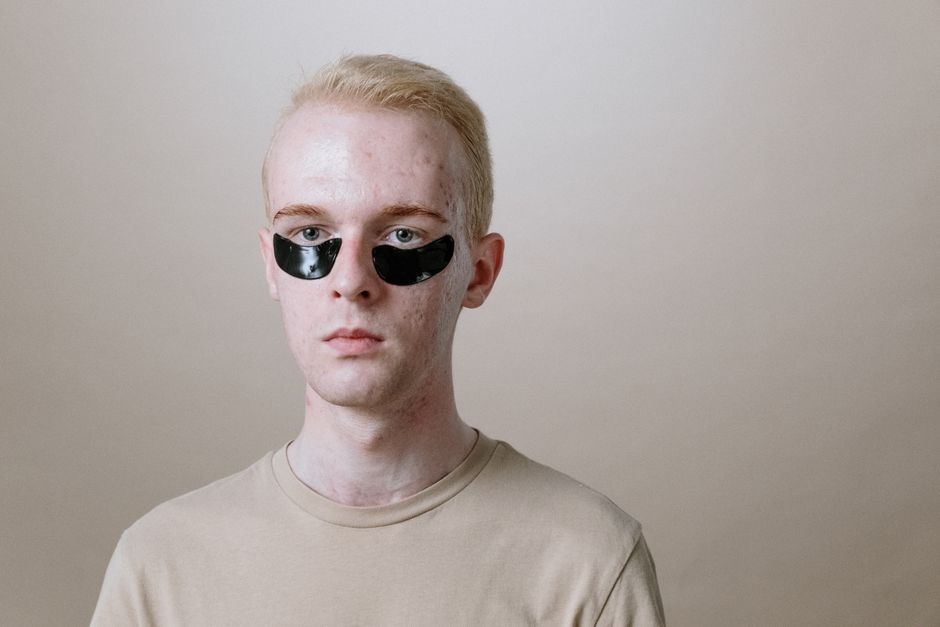
Acne scars are not one condition, so no single treatment works for all of them. The best approach depends on the scar type: raised scars usually respond to different treatments than sunken ones, and flat discolored marks are not true scars at all. Matching the treatment to the scar type is the single most important decision in getting a good result.
Most people searching for acne scar help are actually dealing with two or three different scar types at once. A dermatologist will usually point this out within minutes of an exam. What works for one type can do nothing for another, which is why generic “scar creams” so often disappoint.
What Are the Main Types of Acne Scars?
Dermatologists sort acne scars into a few distinct groups, and each behaves differently in the skin. The classification matters because it drives treatment choice.
- Atrophic (sunken) scars — the most common type. The skin sits below the surrounding surface because collagen was lost during healing. These break down further into icepick, boxcar, and rolling scars.
- Hypertrophic and keloid scars — raised scars from excess collagen. Keloids extend beyond the original injury; hypertrophic scars stay within it.
- Post-inflammatory hyperpigmentation (PIH) — flat dark marks left after a pimple heals. These are not scars in the structural sense and often fade on their own.
- Post-inflammatory erythema (PIE) — flat red or pink marks. Also not true scars.
That last distinction is where a lot of confusion lives. Dark or red flat marks are pigment and blood vessel changes, not damage to the skin’s structure. Treating them with scar-focused procedures is often unnecessary. They usually respond to time, sun protection, and sometimes topical agents.
True atrophic scars will not fade on their own. The collagen loss is structural. This is why a mark that has been flat and brown for six months is a very different problem from a pitted indentation that has been there for years.
What Is Best For Acne Scars Treatments By Scar Type?
Treatment should be matched to the specific scar architecture, not applied broadly. The table below summarizes the general clinical direction for each type. Individual results vary, and a dermatologist’s exam is the only reliable way to confirm which type you have.
| Scar Type | General Treatment Direction | What the Evidence Shows |
|---|---|---|
| Icepick scars | Focal treatments: punch excision, TCA CROSS (chemical reconstruction of skin scars) | These narrow, deep scars respond poorly to surface resurfacing alone. Focal approaches are generally preferred. |
| Boxcar scars | Fractional laser resurfacing, microneedling, punch elevation | Good response to resurfacing because the scar has defined edges and a flat base. |
| Rolling scars | Subcision, often combined with fillers or laser | Subcision releases the fibrous bands tethering the skin. Often combined with other treatments for best results. |
| Hypertrophic / keloid scars | Intralesional corticosteroid injections, silicone gel, sometimes laser | Steroid injections are well established for flattening raised scars. Keloids have a higher recurrence rate. |
| PIH (dark flat marks) | Sun protection, topical retinoids, sometimes chemical peels | Often fades with time. Sun protection is essential to prevent worsening. |
| PIE (red flat marks) | Time, sun protection, sometimes vascular laser | Generally resolves over months. Vascular lasers are used in some cases. |
One clarification worth making: combination treatment is the norm, not the exception. Most people have mixed scarring, and dermatologists frequently layer procedures. A single icepick scar next to rolling scarring may get two different approaches in the same session.
How Do Sunken Scars Respond to Treatment?
Atrophic scars improve by rebuilding collagen or releasing the tissue that holds the depression in place. Two mechanisms, often used together.
Collagen remodeling is the target of fractional laser resurfacing and microneedling. Both create controlled micro-injury in the skin, which triggers a wound-healing response and new collagen deposition over weeks to months. Fractional lasers tend to produce more dramatic results than microneedling, but with more downtime and higher risk of pigment changes, particularly in darker skin tones.
Subcision targets a different problem. Rolling scars are often tethered by fibrous bands pulling the skin downward. Subcision uses a small needle or blade under the skin to release those bands. It is a procedure, not a cream, and it addresses a mechanical problem that no topical product can reach.
Punch excision removes an icepick or narrow boxcar scar entirely and closes the defect with a small suture. It is a surgical approach best suited to individual deep scars rather than widespread textural change.
Chemical reconstruction of skin scars (TCA CROSS) applies high-concentration trichloroacetic acid directly into icepick scars. This is a specialized technique with real risks if done incorrectly, including pigment change and scarring. It should be performed by an experienced clinician.
How Are Raised Acne Scars Treated?
Hypertrophic scars and keloids are treated by reducing excess collagen, not building it. This is the opposite goal of atrophic scar treatment, which is why getting the diagnosis right matters so much.
Intralesional corticosteroid injections are the most established treatment for flattening raised scars. A corticosteroid is injected directly into the scar tissue to soften and shrink it. Multiple sessions are usually needed. Some clinicians combine steroid injections with other modalities such as laser or silicone sheeting.
Silicone gel sheeting has reasonable evidence for hypertrophic and keloid scars, particularly when used early. It is non-invasive and widely used, though results vary.
Keloids deserve a specific warning. They have a meaningful recurrence rate after treatment, sometimes higher than hypertrophic scars. Some clinicians use radiation therapy or other adjuncts for stubborn keloids, but this is a specialist decision. Anyone with a history of keloid formation should tell their provider before any procedure, including piercing or elective surgery.
Do Creams and Serums Actually Work on Acne Scars?
Topical products can help with pigmentation and skin texture, but they cannot rebuild lost collagen or release tethered scar tissue. That is a structural limitation, not a marketing one.
Where topicals have reasonable evidence:
- Retinoids — support collagen and help with post-inflammatory hyperpigmentation over time. Prescription retinoids are generally more effective than over-the-counter versions.
- Sunscreen — not a scar treatment per se, but essential. UV exposure darkens PIH and makes marks more persistent.
- Hydroquinone and other pigment-targeting agents — used for PIH under clinical supervision. Hydroquinone has specific safety considerations and should be used under guidance.
- Silicone gel — has some evidence for raised scars, as noted above.
Where the evidence is weak or absent: most over-the-counter “scar removal” creams, including many containing onion extract or vitamin E. Vitamin E in particular has been studied for scar prevention, and the evidence does not support a benefit. Some people develop contact dermatitis from topical vitamin E applied to healing skin.
No topical product currently available has been shown in clinical trials to eliminate icepick or rolling scars. That is a factual statement about the evidence, not a dismissal of skincare as a whole. Topicals help with the pigmentation and texture components. They do not replace procedures for structural scarring.
When Should You See a Dermatologist About Acne Scars?
Seeing a dermatologist early tends to produce better outcomes, particularly for raised scars and for anyone with darker skin tones. Timing matters for a few reasons.
Active acne should generally be brought under control before scar treatment begins. Treating scars while new inflammation is ongoing means new scars can form during or after treatment. Many dermatologists will address active acne first, then move to scar revision.
Darker skin tones (Fitzpatrick types IV–VI) carry a higher risk of post-inflammatory hyperpigmentation and hypopigmentation from laser and chemical treatments. This does not mean procedures are off the table. It means the choice of procedure and settings matters, and an experienced clinician familiar with treating darker skin is important. Some lasers are safer than others for darker skin, and microneedling is often preferred over aggressive resurfacing for this reason.
Raised scars and keloids should be evaluated promptly. Early treatment of a forming keloid tends to be easier than treating an established one.
Anyone considering treatment should ask about expected downtime, number of sessions, cost, and the specific risks for their skin type. Results from scar procedures are usually gradual and partial. Realistic expectations matter, and a good clinician will set them honestly.
Frequently Asked Questions
Can acne scars go away on their own?
Flat dark or red marks (PIH and PIE) often fade over months without treatment. True atrophic or raised scars are structural and do not resolve on their own.
What is the best treatment for icepick scars?
Icepick scars generally respond best to focal treatments such as punch excision or TCA CROSS rather than surface resurfacing alone. A dermatologist can confirm which approach fits your specific scarring.
Is microneedling effective for acne scars?
Some studies suggest microneedling can improve atrophic scars by stimulating collagen, with generally less downtime than fractional laser. Results are usually gradual and multiple sessions are typically needed.
Can I treat acne scars at home?
At-home skincare can help with pigmentation and texture but cannot rebuild lost collagen or release tethered scar tissue. Structural scars generally require in-office procedures for meaningful improvement.
