
Blood pressure is the force of blood pushing against the walls of your arteries. “Bad” blood pressure means it is either too high (hypertension) or too low (hypotension). Both can cause symptoms and both matter, but they are very different problems with very different causes and treatments.
High blood pressure is far more common and, over time, damages the heart, brain, kidneys, and eyes. Low blood pressure is less common and only a concern when it causes symptoms or drops suddenly. This guide explains what each one is, how it is measured, and what the numbers actually mean.
What Is Bad Blood Pressure High And Low Explained?
Blood pressure is recorded as two numbers, written like 120/80 and read as “120 over 80.” The top number is systolic pressure — the pressure in your arteries when your heart beats. The bottom number is diastolic pressure — the pressure when your heart rests between beats.
Both numbers are measured in millimeters of mercury (mmHg). A blood pressure reading is called “bad” when it falls outside the range linked to good health — either too high or too low. The two conditions are not mirror images. High blood pressure usually has no symptoms and quietly causes damage for years. Low blood pressure often announces itself with dizziness or fainting.
One clarification worth knowing: a single high reading does not mean you have high blood pressure. Pressure changes throughout the day with activity, stress, caffeine, and even talking. Diagnosis requires repeated measurements, usually taken on separate occasions.
What Do the Blood Pressure Numbers Mean?
The categories below reflect widely used clinical guidelines for adults. They apply to readings taken in a doctor’s office or clinic.
| Category | Systolic (top) | Diastolic (bottom) |
|---|---|---|
| Normal | Less than 120 | and less than 80 |
| Elevated | 120–129 | and less than 80 |
| Stage 1 hypertension | 130–139 | or 80–89 |
| Stage 2 hypertension | 140 or higher | or 90 or higher |
| Hypotension (low) | Generally below 90 | or below 60 |
Notice the word “or” in the hypertension rows. That matters. If either number is in a higher category, the reading is classified by that higher number. A reading of 118/92, for example, counts as Stage 1 hypertension because of the bottom number alone.
The low blood pressure threshold is less rigid than the high one. A reading below 90/60 is often used as a guide, but what counts as “too low” depends on the person. Some healthy people live at 85/55 with no problems at all. For them, that is normal, not low.
Why Is High Blood Pressure Called the Silent Killer?
High blood pressure usually causes no symptoms until it has done significant damage. That is why it earned the nickname “the silent killer.” You can feel completely fine while your arteries are being injured.
Over time, persistently high pressure strains the artery walls. The heart has to pump harder, which can thicken the heart muscle. Arteries stiffen and narrow. This raises the risk of heart attack, stroke, kidney disease, and vision loss. Research consistently links uncontrolled hypertension to these outcomes.
Most cases are primary hypertension, meaning there is no single identifiable cause. It develops gradually from a mix of genetics, age, diet, weight, activity level, and other factors. A smaller share is secondary hypertension, caused by a specific condition such as kidney disease or a hormone disorder.
Here is a point many people miss: hypertension is not just a disease of older adults. It can develop in your 30s and 40s, and it is increasingly common in younger adults. Age raises the risk, but it is not a requirement.
What Causes Low Blood Pressure and When Is It a Problem?
Low blood pressure is only a concern when it causes symptoms or drops suddenly. A naturally low reading in a healthy, active person is generally not a problem.
When low pressure does cause trouble, common causes include:
- Dehydration from not drinking enough fluids, vomiting, or diarrhea
- Standing up quickly, which can cause a brief drop called orthostatic hypotension
- Some medications, including certain blood pressure drugs, diuretics, and antidepressants
- Heart problems that reduce how much blood the heart pumps
- Endocrine conditions such as thyroid or adrenal disorders
- Severe infection or blood loss, which are medical emergencies
Symptoms of low blood pressure include dizziness, lightheadedness, fainting, blurred vision, fatigue, and trouble concentrating. The most common type people notice is the dizzy spell when standing up.
A sudden, severe drop in blood pressure — especially with confusion, cold skin, rapid breathing, or a weak pulse — is a medical emergency. It can signal shock, which requires immediate care.
How Is Blood Pressure Measured Correctly?
Accurate measurement matters because treatment decisions depend on it. A sloppy reading can label you with hypertension you do not have, or miss one you do.
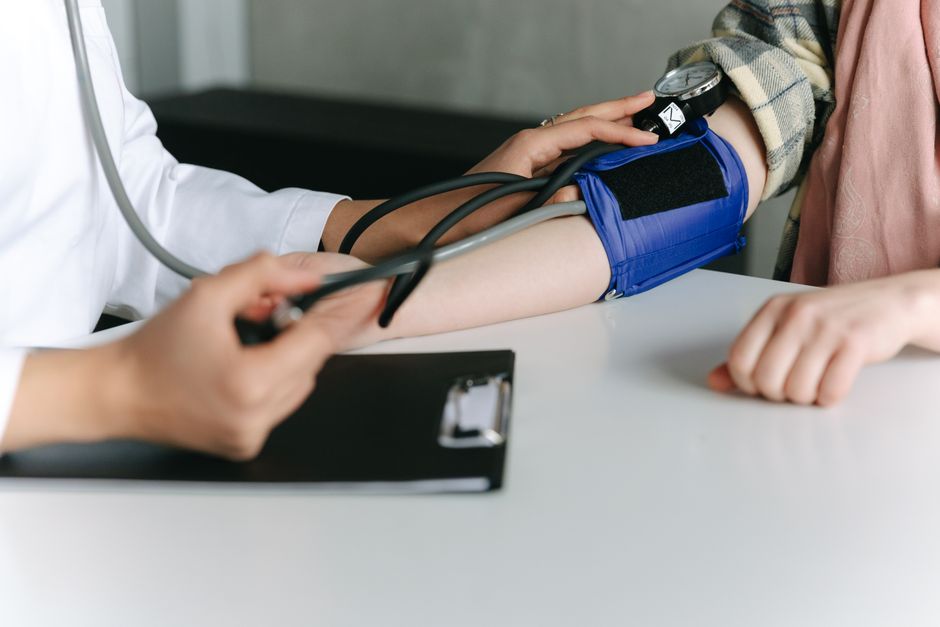
Proper technique follows a few basic steps. Sit quietly for five minutes before the reading. Keep your feet flat and your back supported. Rest your arm on a table at heart level. Avoid caffeine, exercise, and smoking for at least 30 minutes beforehand. Do not talk during the measurement.
Many clinicians now use home blood pressure monitors to get a clearer picture. Home readings taken over several days can be more reliable than a single clinic reading, which can be artificially high due to nerves — a pattern sometimes called white coat hypertension. Some people have the opposite pattern, where pressure is normal in the clinic but high at home.
If you monitor at home, use a validated upper-arm cuff rather than a wrist or finger device. Wrist monitors are more sensitive to position and tend to be less accurate.
What Raises the Risk of High Blood Pressure?
Several factors are well established as raising the risk of developing high blood pressure. Some you can change and some you cannot.
Modifiable factors include excess body weight, a diet high in salt, low physical activity, heavy alcohol use, smoking, and chronic stress. Family history, age, and ethnicity are factors you cannot change. High blood pressure is more common and tends to develop earlier in some groups, including Black adults.
Diet deserves a specific note. A pattern rich in vegetables, fruits, whole grains, and low-fat dairy, and lower in salt and saturated fat, is linked to lower blood pressure. The evidence for reducing dietary sodium is strong and consistent. Cutting back on salt helps many people, though the size of the effect varies from person to person.
What the evidence does not support is the idea that any single food, supplement, or “superfood” reliably treats high blood pressure. No clinical evidence currently confirms that a specific juice, powder, or herbal product can replace proven management. Be cautious with marketing that suggests otherwise.
How Are High and Low Blood Pressure Managed?
Management differs sharply between the two conditions, so they should not be lumped together.
For high blood pressure, the approach usually combines lifestyle changes and, when needed, medication. Lifestyle steps with solid evidence behind them include reducing sodium, losing excess weight, regular physical activity, limiting alcohol, and not smoking. Some people can lower their pressure enough with lifestyle alone, especially in the elevated or early Stage 1 range. Others need medication to reach safe levels.
For low blood pressure, management depends on the cause. If dehydration is the issue, drinking more fluids helps. If a medication is responsible, a doctor may adjust it — never stop a prescribed medicine on your own. For orthostatic hypotension, rising slowly and staying hydrated can reduce symptoms. Some clinicians also recommend compression stockings or other measures, though the strength of evidence varies by approach.
The single most useful step for either condition is to know your numbers and have them checked regularly. High blood pressure is manageable, and early action prevents much of the damage it would otherwise cause. Low blood pressure is often harmless but worth discussing with a clinician if it causes symptoms.
Frequently Asked Questions
What is a dangerous blood pressure level?
A reading of 180/120 mmHg or higher is considered a hypertensive crisis and needs immediate medical attention, especially with symptoms like chest pain, shortness of breath, or vision changes. Readings in that range without symptoms should be rechecked and reported to a doctor right away.
Can low blood pressure be dangerous?
Low blood pressure is dangerous when it causes fainting, falls, or signs of shock such as confusion and cold skin. A naturally low reading in a healthy person without symptoms is generally not a concern.
Does high blood pressure always have symptoms?
No, high blood pressure usually causes no symptoms until it has caused significant damage. That is why regular measurement is the only reliable way to know your numbers.
What is the difference between systolic and diastolic pressure?
Systolic is the pressure when your heart beats, and diastolic is the pressure when your heart rests between beats. Both numbers matter, and a high reading in either one can indicate hypertension.
