
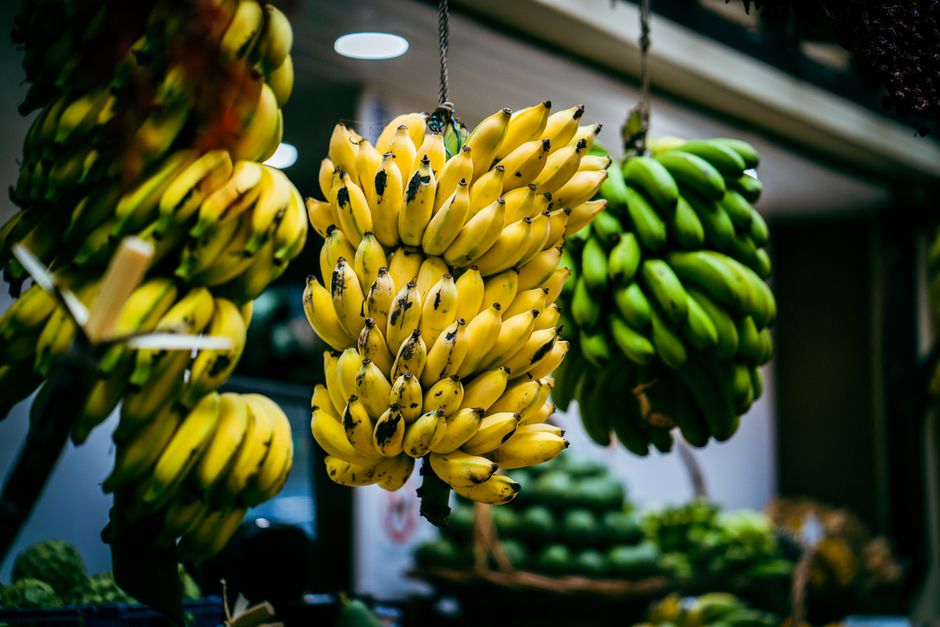
Bananas are one of the most widely eaten fruits in the United States, and for most people they are a healthy, inexpensive source of carbohydrate, potassium, and fiber. But “healthy for most people” is not the same as “harmless for everyone.” The genuine downsides of bananas are narrow and specific: they are a concentrated source of sugar and starch, they are high in potassium, and they can cause real problems for people with certain kidney conditions, blood sugar disorders, or a rare allergy to latex-related proteins.
There is no single definition of “bad” here. A banana is not toxic, and no major health authority classifies it as a food to avoid. What follows is an honest look at where bananas can cause harm, who needs to pay attention, and where the popular warnings about them fall apart under scrutiny.
What Is Bad About Bananas?
The most legitimate concern is potassium. A medium banana contains roughly 400 to 450 milligrams of potassium, which is a meaningful amount for anyone whose kidneys cannot efficiently remove potassium from the blood.
In healthy people, the kidneys regulate potassium tightly. Eat a banana, and excess potassium is filtered out in urine. In advanced chronic kidney disease, that filtering capacity drops. Potassium can accumulate in the blood, a condition called hyperkalemia. High blood potassium can disrupt the electrical signals that control heart rhythm and, in severe cases, becomes a medical emergency. This is why renal dietitians commonly advise people with advanced kidney disease to limit high-potassium foods, and bananas are usually on that list alongside potatoes, oranges, and tomatoes.
The second real issue is blood sugar. Bananas contain natural sugars and starch, and a medium banana typically provides around 25 to 30 grams of carbohydrate. That is not inherently bad — carbohydrate is the body’s main fuel — but it matters for people managing diabetes or prediabetes, particularly when a banana is eaten alone as a snack.
The third is a genuine but uncommon allergy. Some people react to banana proteins, and this is frequently linked to latex allergy because the proteins involved are structurally similar. Symptoms can range from itching and swelling of the mouth to, rarely, more serious reactions. Anyone who has reacted to bananas should treat it as a real allergy and speak with a clinician rather than assuming it will pass.
Are Bananas High in Sugar?
Yes, relative to most other whole fruits, bananas carry more sugar and more total carbohydrate. That is a factual comparison, not a verdict.
A medium banana has roughly 14 grams of sugar and about 25 to 30 grams of total carbohydrate. By comparison, a cup of strawberries has around 7 grams of sugar and about 11 grams of carbohydrate. So a banana delivers meaningfully more sugar per serving than berries do.
What complicates the picture is that sugar content alone does not determine how a food affects blood glucose. The ripeness of the banana changes things. An unripe green banana is high in resistant starch, a type of carbohydrate that is not fully digested and therefore has less impact on blood sugar. As a banana ripens and turns yellow and then spotted, that resistant starch converts to simpler sugars, and the fruit tastes sweeter and raises blood glucose more quickly. This is a well-established change during ripening, not a fringe claim.
Fiber also matters. A medium banana provides about 3 grams of fiber, which slows digestion somewhat. That fiber does not cancel out the sugar, but it does mean a whole banana behaves differently in the body than, say, a glass of fruit juice with a similar sugar content.
Do Bananas Raise Blood Sugar Too Much?
For people without diabetes, a banana eaten as part of a normal meal has not been shown to cause harm to blood sugar regulation. The body handles the carbohydrate and releases insulin in response.
For people with diabetes, the answer depends on the person, the portion, the ripeness, and what else is eaten at the same time. Bananas have a moderate glycemic index — a measure of how quickly a food raises blood glucose — but glycemic index values vary by ripeness and by the individual. Some studies suggest that pairing a banana with protein or fat, such as nut butter or yogurt, blunts the rise in blood glucose compared with eating it alone.
What the evidence does not support is the idea that bananas are off-limits for everyone with diabetes. Many diabetes nutrition guidelines treat fruit, including bananas, as part of a balanced eating pattern, with attention to portion size and timing. If you have diabetes, how a banana affects your own blood sugar is best checked with a glucose meter rather than assumed from a general rule.





Can Bananas Be Bad for Your Kidneys?
For people with healthy kidneys, no. The kidneys manage potassium from food without difficulty, and higher potassium intake from fruits and vegetables is generally associated with better blood pressure and cardiovascular outcomes in the general population.
For people with chronic kidney disease, especially more advanced stages, bananas can genuinely be a problem. When kidney function declines, the ability to excrete potassium falls, and dietary potassium may need to be restricted. This is not a minor point — hyperkalemia is a serious and potentially life-threatening condition in kidney disease, and it is one of the reasons renal diets are so carefully managed.
There is an important nuance here that often gets lost. The concern is not bananas specifically. It is total potassium load. Someone on a potassium-restricted diet has to watch bananas, potatoes, tomatoes, oranges, dried fruit, beans, and several other foods together. Singling out bananas as uniquely dangerous misses how renal nutrition actually works.
People on certain medications also need to be aware. Some blood pressure medications, including ACE inhibitors and angiotensin receptor blockers, and certain diuretics, can raise blood potassium levels. For someone on these medications with reduced kidney function, potassium intake becomes more relevant. This is a conversation to have with a prescribing clinician, not a decision to make from a general article.
Is Banana Allergy Common?
No. Banana allergy is uncommon, but it is real and well documented.
The most recognized pattern is a link with latex allergy. People allergic to natural rubber latex often react to certain fruits, including banana, avocado, kiwi, and chestnut. The proteins in these foods resemble proteins in latex, so the immune system can mistake one for the other. This is sometimes called latex-fruit syndrome.
Symptoms of banana allergy can include itching or tingling in the mouth, swelling of the lips or tongue, hives, and in rare cases more severe reactions. Anyone who experiences swelling of the throat, difficulty breathing, or a drop in blood pressure after eating a banana should seek emergency care immediately.
There is also a separate condition called oral allergy syndrome, in which people with pollen allergies react to raw fruits because of similar proteins. Cooking the fruit often reduces the reaction, because heat breaks down the proteins involved. This is different from a true banana allergy and is usually milder, but it should still be evaluated by a clinician rather than self-diagnosed.
Are There Other Downsides?
A few smaller points are worth mentioning honestly, with appropriate caution about how strong the evidence is.
- Digestive effects. Bananas contain fiber and, when unripe, resistant starch. For some people this helps digestion; for others it can cause bloating or gas. Individual responses vary widely.
- Calories. A medium banana has around 105 calories. That is modest, but bananas are calorie-dense compared with many other fruits, and eating several a day adds up.
- Migraine claims. Bananas are sometimes listed as a migraine trigger because they contain tyramine, a compound that can affect blood vessels. The evidence here is weak and inconsistent. Some people report a link; controlled studies have not established bananas as a reliable trigger. If you suspect a trigger food, a headache diary is more useful than a list from the internet.
- Weight gain claims. There is no evidence that bananas cause weight gain on their own. Weight change depends on total calorie intake and activity, not on any single food.
One non-obvious point: the “bananas are radioactive” claim that circulates online is technically true and practically meaningless. Bananas contain potassium-40, a naturally occurring radioactive isotope of potassium. The dose from eating a banana is a tiny fraction of normal background radiation and has never been shown to pose any health risk. It is a fun fact, not a hazard.
Should You Stop Eating Bananas?
For the overwhelming majority of people, no. Bananas are a nutritious, affordable food, and no major health organization recommends avoiding them for the general public.
The people who should pay attention are those with advanced kidney disease, those on medications that raise blood potassium, and those with diabetes who notice a large blood sugar spike after eating them. People with a known banana or latex allergy should avoid them. Everyone else can eat bananas without concern about the specific risks described here.
If you are unsure whether bananas fit your situation — particularly if you have kidney disease, diabetes, or a suspected food allergy — that is a question for your clinician or a registered dietitian. General nutrition advice cannot account for your individual labs, medications, and history.
Frequently Asked Questions
Are bananas bad for you?
No, bananas are not bad for most people and are a good source of potassium, fiber, and carbohydrate. They can cause real problems only for people with advanced kidney disease, certain blood sugar conditions, or a banana allergy.
How much potassium is in a banana?
A medium banana contains roughly 400 to 450 milligrams of potassium. This is a normal and healthy amount for most people, but it matters for anyone on a potassium-restricted diet.
Can diabetics eat bananas?
Many people with diabetes can eat bananas as part of a balanced diet, with attention to portion size and ripeness. How much a banana raises your own blood sugar is best checked with a glucose meter.
Why do some people say bananas are unhealthy?
Most warnings about bananas come from their sugar and potassium content, which are only concerns for specific groups. For the general population, there is no evidence that bananas are harmful.
