
Asbestos is a group of six naturally occurring minerals that were once added to thousands of household and industrial products because they resist heat, fire, and corrosion. In the United States, most new products containing asbestos are banned or tightly restricted, but the mineral still appears in some imported goods, older building materials, and certain legacy products. Knowing where it can hide matters most for people renovating older homes or handling imported items.
What Is Asbestos Found In Common Products Listed?
Asbestos shows up in two broad categories: products made before regulations took effect, and a smaller number of items still legally manufactured or imported today.
The six regulated minerals are chrysotile, amosite, crocidolite, anthophyllite, tremolite, and actinolite. They split into long, thin fibers that can float in the air and lodge in the lungs when inhaled. That fiber structure is what made the material useful to manufacturers and dangerous to people who breathe it.
Here is where it has historically appeared:
- Insulation for pipes, boilers, and furnaces
- Floor tiles and the adhesive used to set them
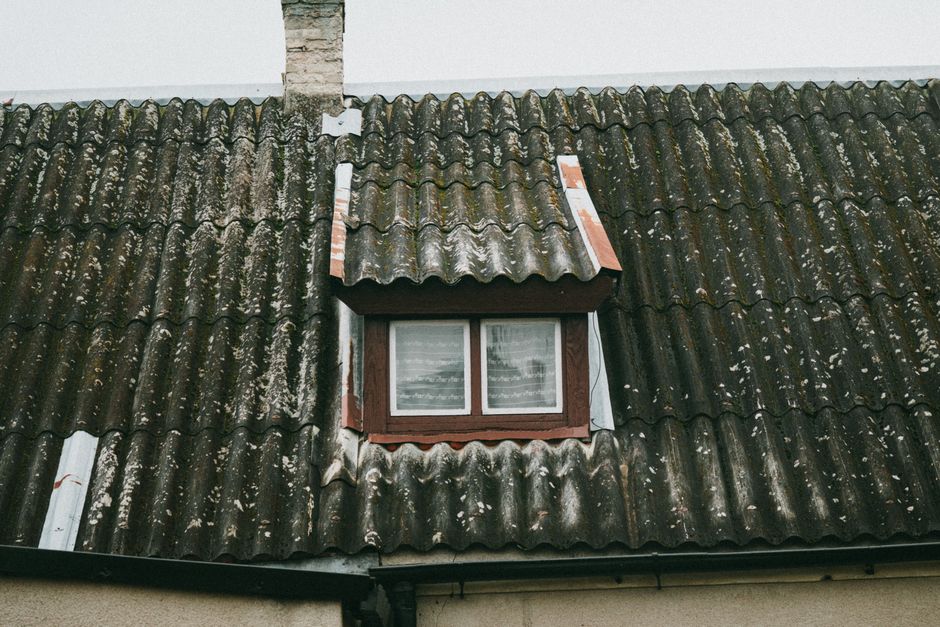
- Roofing shingles and siding
- Textured paints and patching compounds
- Joint compound and drywall mud
- Brake pads and clutch linings
- Some cement pipes and corrugated cement sheets
- Fireproofing sprayed onto structural steel
- Certain talc-based consumer products, in past decades
Most of these are legacy uses. The products were made and installed before the 1980s, when use dropped sharply. The material does not disappear when a product stops being made. It stays in the building.
Is Asbestos Still Legal in the United States?
Yes, in limited forms. Asbestos was never fully banned in the US, and that surprises many people.
In 1989, the Environmental Protection Agency tried to ban most asbestos products. A court struck down much of that rule in 1991, so the ban did not take full effect. What remained were restrictions on specific uses rather than a blanket prohibition.
In March 2024, the EPA finalized a rule banning ongoing uses of chrysotile asbestos, the only form still imported or used in the US at that point. That rule targets specific products, including certain gaskets, brake linings, and chlorine production equipment. It phases out those uses over a set timeline rather than removing all asbestos from every context at once.
Older products already installed are not covered. A 1970s floor tile or pipe wrap is still in the building, and the 2024 rule does not require anyone to remove it.
Which Products Still Contain Asbestos Today?
New asbestos-containing products in the US are now rare, but a few categories remain relevant.
Imported goods are the main concern. Asbestos has been found in imported cosmetics, talc-based powders, and some construction materials arriving from countries with weaker regulations. Because the US imports a wide range of goods, spot checks do not catch everything.
Older building stock is the other major source. Homes, schools, and commercial buildings constructed before the 1980s often contain asbestos in insulation, flooring, ceiling tiles, and joint compound. The material is usually harmless if it stays intact.
Vehicle brakes and clutches are a niche case. Some aftermarket parts have historically contained asbestos, though most modern brake pads use other materials. The 2024 EPA rule addresses brake linings specifically.





How Do You Know If a Product Contains Asbestos?
You usually cannot tell by looking. Asbestos fibers are microscopic, and the material looks like ordinary insulation, tile, or cement.
Manufacturers were not required to label products before the 1980s, so older items carry no warning. Even some newer imports may lack accurate labeling.
The only reliable way to confirm asbestos is laboratory testing. A certified inspector takes a small sample and analyzes it under a microscope. Home test kits exist, but they vary in quality, and improper sampling can release fibers into the air.
For anything you plan to disturb, professional testing is the safer route. A sample the size of a coin is enough for analysis, but the risk comes from how it is collected.
When Is Asbestos Actually Dangerous?
Asbestos is dangerous when fibers become airborne and are inhaled. Intact material that is not crumbling or being cut poses little risk.
The danger rises when a product is disturbed. Sanding, drilling, sawing, or tearing asbestos-containing material releases fibers. Renovation and demolition work are the most common ways people are exposed at home.
Health effects do not appear quickly. Asbestos-related diseases typically develop many years after exposure, often decades later. That long gap is part of why the risks were not recognized for so long.
The main conditions linked to asbestos exposure are asbestosis (scarring of lung tissue), lung cancer, and mesothelioma, a cancer of the lining around the lungs and abdomen. Smoking greatly increases the lung cancer risk in people exposed to asbestos, though it does not cause mesothelioma on its own.
Not everyone exposed becomes ill. Risk depends on how much fiber was inhaled, how long the exposure lasted, and individual factors. Brief, low-level exposure carries far less risk than years of occupational contact.
What Should You Do If You Find Asbestos in Your Home?
Leave intact material alone. Asbestos that is in good condition and not being disturbed is generally best left in place.
If the material is damaged, crumbling, or in an area you plan to renovate, do not handle it yourself. Hire a licensed asbestos abatement professional. They follow regulated procedures for containment, removal, and disposal.
Some states allow homeowners to remove small amounts of certain materials themselves, but the rules vary. Check with your state or local health department before doing anything.
For routine activities, a few precautions reduce risk:
- Do not sand, scrape, or drill material you suspect contains asbestos
- Do not use a standard vacuum on debris that may contain fibers
- Avoid sweeping dry debris, which can stir up dust
- Keep children and pets away from damaged material
If you are unsure whether something contains asbestos, testing is the only way to know. Guessing is not a safe approach.
Does Asbestos Cause Health Problems at Low Levels?
The evidence is clearest for higher, sustained exposures. The picture at very low levels is less certain.
Occupational studies consistently show elevated disease rates among workers with heavy, long-term exposure. For people with only brief or incidental contact, the risk is much lower, though researchers do not consider any exposure entirely risk-free.
There is no established safe threshold for asbestos exposure. Public health agencies generally treat it as a substance with no known safe level, which is why avoiding unnecessary disturbance is the standard advice.
This is different from saying a single brief exposure will cause disease. It means the safest position is to limit exposure when you can.
How Has Asbestos Use Changed Over Time?
Use in the US fell dramatically after the 1970s. Concerns about worker health, lawsuits, and tightening rules pushed manufacturers toward substitutes.
By the 1980s, most consumer products had stopped using asbestos. Building materials phased it out more slowly, and some uses continued for years afterward.
Worldwide, the picture is uneven. Dozens of countries have banned asbestos entirely. Others still mine and use it, and some exported goods from those countries reach the US market.
The result is a mixed landscape. New domestic products rarely contain asbestos, but old buildings and imported goods remain real sources.
Frequently Asked Questions
Is asbestos still used in any products today?
Yes, in limited cases. The EPA banned ongoing uses of chrysotile asbestos in 2024, but some legacy and imported products may still contain it.
Can you tell if something contains asbestos just by looking?
No. Asbestos fibers are microscopic and the material looks like ordinary insulation, tile, or cement. Laboratory testing is the only way to confirm it.
Is it dangerous to live in a home with asbestos?
Usually not, if the material is intact and undisturbed. Risk rises when the material is damaged, cut, or sanded and fibers become airborne.
What should I do if I think I found asbestos?
Do not disturb it, and contact a licensed asbestos professional for testing or removal. Handling it yourself can release fibers into the air.
