
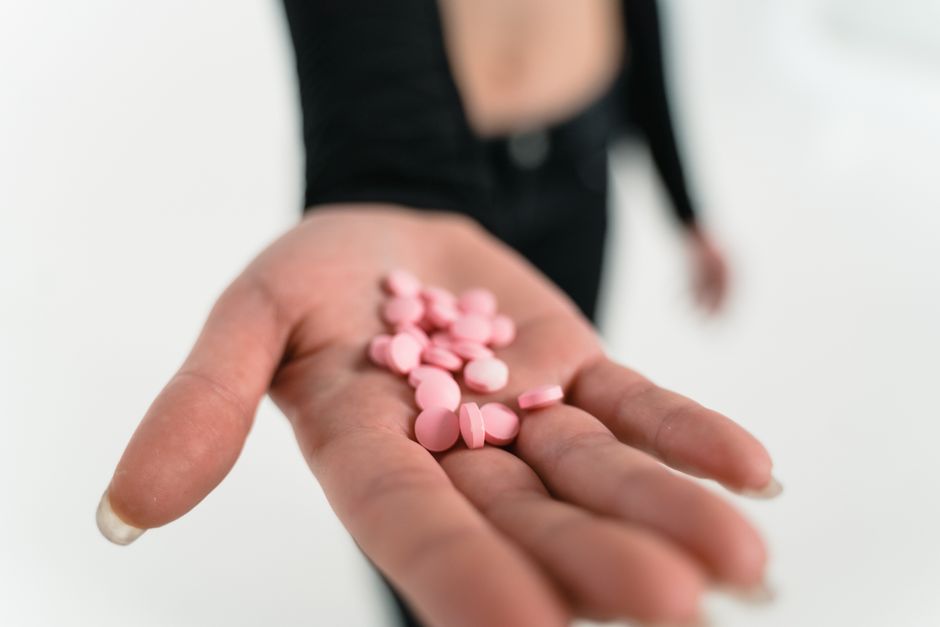
Angel dust is a street name for phencyclidine, a drug known medically as PCP. It was developed in the 1950s as a surgical anesthetic, but it was pulled from human use because too many patients became agitated, confused, or psychotic as they woke up. Today PCP has no accepted medical use in the United States. It is classified as a Schedule II controlled substance, which means it carries a high potential for abuse and can only be handled legally under strict research rules. Most of what people encounter as “angel dust” is made in illegal labs, and its actual content is often unknown.
What Is Angel Dust Drug and Where Did It Come From?
PCP was first synthesized in the 1950s and tested as a general anesthetic. It worked, but the side effects were serious. Patients reported confusion, agitation, and hallucinations during recovery. Researchers looked for a safer alternative and eventually developed ketamine, a related compound that is still used in medicine today under controlled conditions.
PCP moved into recreational use in the 1960s and 1970s. Its reputation grew partly because of how unpredictable it is. The same dose can affect two people very differently, and the gap between a dose that produces a high and one that causes dangerous effects is narrow.
One detail that surprises many people: PCP is not one single substance on the street. What is sold as angel dust may contain PCP, or it may contain something else entirely. Illicit drug samples frequently contain mixtures, and buyers have no reliable way to know what they are taking.
How Does PCP Affect the Brain?
PCP works mainly by blocking NMDA receptors. These receptors are docking sites on brain cells that normally respond to glutamate, one of the brain’s primary signaling molecules. Glutamate is involved in learning, memory, perception, and the way the brain processes pain and sensory input.
When NMDA receptors are blocked, normal signaling gets disrupted. This helps explain the drug’s effects. It can dull pain and produce a sense of detachment from the body. It can also distort perception, thought, and mood in ways the user cannot control.
PCP also affects other systems. It influences dopamine, which is tied to reward and motivation, and it interacts with pathways involved in the body’s stress response. That broad action across multiple systems is part of why the effects are so hard to predict.
This mechanism is well established in laboratory and animal research. What is less predictable is how any single person will respond at any given dose, because genetics, tolerance, other substances in the body, and the actual purity of the drug all shift the outcome.
What Are the Effects and How Long Do They Last?
Effects usually begin within minutes when PCP is smoked or injected, and within about 30 minutes to an hour when it is swallowed. Low to moderate doses commonly produce:
- Numbness or reduced pain sensation
- A sense of detachment from the body or surroundings
- Slurred speech and unsteady movement
- Agitation, confusion, or a blank stare
- Distorted perceptions of time, space, and self
At higher doses, the picture changes. People may become violent or unpredictable, experience hallucinations, or lose touch with reality. Some develop muscle rigidity, seizures, or a dangerous rise in body temperature. In severe cases, PCP can suppress breathing and lead to coma.
How long effects last varies widely. Many users feel the main effects for several hours, but confusion, disorientation, and mood problems can linger for days. Some people experience flashbacks or recurring perceptual disturbances well after the drug has cleared.
The unpredictable nature of PCP is the central danger. A person cannot know in advance whether a given dose will produce mild detachment or a psychiatric crisis, and the difference is not always tied to how much was taken.




Is PCP Dangerous?
Yes. PCP carries serious risks, and they fall into a few categories.
Overdose. There is no safe established dose. High doses can cause seizures, dangerously high body temperature, irregular heart rhythms, and respiratory failure. These effects can be fatal.
Injury during intoxication. Because PCP reduces pain sensation and distorts judgment, users may injure themselves without realizing it. Reports of people injuring themselves while apparently feeling no pain are consistent with how the drug works, though such accounts are often exaggerated in media coverage.
Psychiatric harm. PCP can trigger acute psychosis that resembles schizophrenia. For most people this resolves as the drug wears off, but some experience prolonged symptoms. People with a personal or family history of psychotic disorders may be at higher risk.
Unknown contents. Because street PCP is often mixed with other substances, users may be exposed to drugs they did not intend to take. Some of these combinations raise the risk of overdose or dangerous interactions.
One point worth being clear about: PCP is often described in popular culture as causing superhuman strength or bizarre behavior. Some of that reputation is overstated. The real danger is not a mythic strength but the loss of pain response, poor judgment, and unpredictable psychiatric effects.
How Is PCP Use Treated?
There is no medication that reverses PCP. Treatment focuses on managing symptoms and keeping the person safe while the drug clears.
In an emergency setting, clinicians may use sedation, control body temperature, and manage seizures or agitation. Some antipsychotic medications are used for severe agitation, though clinicians are cautious because certain drugs can interact poorly with PCP. This is a decision made by medical professionals, not something to attempt at home.
For ongoing use, treatment generally looks similar to treatment for other substance use disorders. Behavioral therapies, including cognitive behavioral therapy and contingency management, are the main approaches with the strongest support. Contingency management uses rewards to encourage verified abstinence and has good evidence behind it for several stimulant-type drugs.
No medication is approved specifically to treat PCP use disorder. If you or someone you know is struggling with PCP, the national Substance Abuse and Mental Health Services Administration helpline at 1-800-662-4357 offers free, confidential help 24 hours a day.
Is PCP Addictive?
PCP can produce dependence, though it is not considered as strongly addictive as drugs like opioids or nicotine. Some people develop a pattern of compulsive use despite clear harm. When they stop, they may experience cravings, anxiety, depression, and disturbed sleep.
Tolerance can develop with repeated use, meaning a person needs more to get the same effect. That raises the risk of taking a dose that causes overdose.
The evidence on how often PCP use leads to dependence is limited. National surveys indicate PCP use is far less common than use of many other drugs, which makes it harder to study at scale. What is clear is that dependence does occur in some users and that treatment helps.
How Common Is PCP Use?
PCP use is relatively uncommon compared with drugs like cannabis, alcohol, or prescription opioids. National survey data show that a small percentage of the US population reports ever using it, and current use is rarer still.
That said, PCP has not disappeared. It continues to appear in drug seizures and emergency department visits. Because it is often mixed with other substances, some people are exposed without knowing it, which complicates efforts to measure how widespread use really is.
Precise prevalence numbers change year to year and depend on how the data are collected. If you want current figures, the National Survey on Drug Use and Health publishes updated estimates. The general picture — low overall use but continued presence — has been consistent for years.
What Should You Do in an Emergency?
If someone is showing signs of PCP overdose or severe reaction — seizures, extreme agitation, high body temperature, difficulty breathing, or loss of consciousness — call 911 immediately. Do not try to manage it yourself.
Stay with the person and keep them safe from injury. Do not restrain them in ways that restrict breathing. Tell emergency responders what you know about what was taken, even if that means admitting drug use. That information helps them treat the person correctly, and good Samaritan laws in many states protect callers from certain drug charges.
Frequently Asked Questions
What does angel dust do to you?
Angel dust, or PCP, blocks NMDA receptors in the brain, which can cause numbness, detachment, confusion, agitation, and hallucinations. At higher doses it can cause seizures, dangerous overheating, and breathing problems.
Is PCP the same as ketamine?
They are related drugs that both block NMDA receptors, but they are not the same. Ketamine is still used in medical settings under supervision, while PCP has no accepted medical use in the United States.
How long does angel dust stay in your system?
PCP can be detected in urine for up to about a week after use in some people, and longer with heavy or chronic use. Detection times vary based on dose, frequency, and individual metabolism.
Can you overdose on angel dust?
Yes. High doses of PCP can cause seizures, dangerously high body temperature, irregular heart rhythms, and respiratory failure, all of which can be fatal. There is no safe established dose.
