
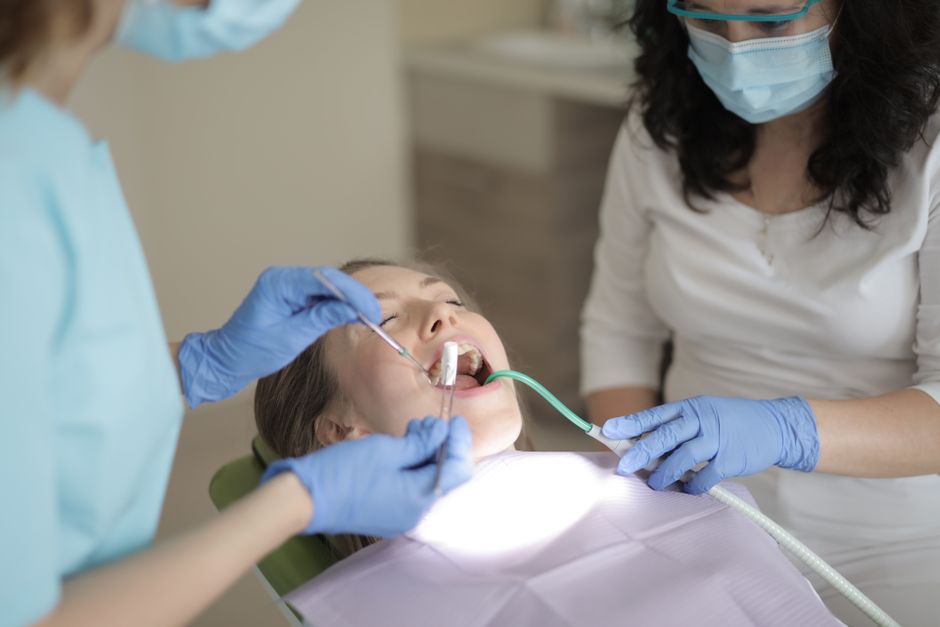
An onlay is a custom-made dental restoration that covers part of a tooth’s chewing surface, usually the cusps and a portion of the sides, while leaving healthy tooth structure in place. It sits between a filling and a full crown in terms of how much tooth it covers. In the United States, onlays typically cost between $650 and $1,800 per tooth before insurance, depending on the material, the dentist’s location, and how much of the tooth needs rebuilding.
What Is An Onlay In Dentistry?
An onlay is an indirect restoration. That means the dentist does not build it directly in your mouth the way they would a filling. Instead, they prepare the tooth, take an impression or digital scan, and send that information to a dental lab. The lab fabricates the onlay, and you return for a second appointment to have it bonded into place.
The key difference between an onlay and a filling is coverage of the cusps. A standard filling fills a cavity. An onlay replaces one or more of the pointed chewing edges (cusps) of the tooth, plus the surrounding structure. That added coverage protects the tooth from flexing and cracking under bite force.
An onlay differs from a crown in the opposite direction. A crown covers the entire visible portion of the tooth, all the way around. An onlay covers only the part that needs rebuilding. If the remaining walls of your tooth are healthy and strong, an onlay preserves more natural tooth than a crown would.
Onlays are also called partial crowns or, in some practices, “three-quarter crowns.” The terminology varies by dentist and region, but the concept is the same.
What Is The Difference Between An Inlay, Onlay, And Crown?
These three restorations sit on a spectrum based on how much tooth they replace. The choice depends on how much healthy structure remains after the damaged portion is removed.
- Inlay: Fills the space inside the cusps. It does not cover the chewing points. Used when the damage is contained within the center of the tooth.
- Onlay: Fills the inner space and covers one or more cusps. Used when a cusp is cracked, undermined, or at risk of fracture.
- Crown: Covers the entire tooth above the gumline. Used when most of the tooth is compromised or when the tooth has had a root canal and needs full protection.
The clinical decision usually comes down to how much tooth is left. If the walls of the tooth are thick enough to support the restoration, an onlay can work. If the walls are thin or the tooth is severely broken down, a crown is generally the more predictable option.
Some dentists and patients choose onlays for a conservative approach. The trade-off is that onlays are more technique-sensitive than crowns and not every dentist offers them routinely.
What Is The Onlay Procedure Like Step By Step?
An onlay usually takes two appointments, spaced about one to three weeks apart depending on the lab.
First visit: The dentist numbs the tooth and removes the decayed, cracked, or failing material. They shape the remaining tooth to receive the onlay. If the tooth has had a root canal, they may place a post or core buildup first. Then they take an impression — either with traditional impression putty or a digital intraoral scanner. You leave with a temporary restoration, often made of acrylic or composite.
Between visits: A dental lab fabricates the onlay from the material you and your dentist chose.
Second visit: The dentist removes the temporary, tries in the onlay, checks the bite and fit, and adjusts as needed. Then they bond or cement it into place and polish the edges.
Some practices now offer same-day onlays using in-office milling machines. In that case, the whole process happens in a single longer appointment. Same-day restorations are convenient, but the material options are narrower and the evidence comparing long-term outcomes to lab-made restorations is limited.
Most people report mild sensitivity for a few days after the procedure. Biting on hard foods right after the appointment is generally not recommended until the dentist confirms the bite is balanced.
What Materials Are Used For Onlays?
The material affects cost, appearance, and how long the restoration tends to last. Here is how the main options compare.
| Material | Appearance | Typical Durability | Relative Cost |
|---|---|---|---|
| Gold alloy | Metallic | Very long-lasting | High |
| Porcelain (feldspathic or pressed) | Tooth-colored | Long-lasting | High |
| Composite resin | Tooth-colored | Moderate | Moderate |
| Ceramic (zirconia or lithium disilicate) | Tooth-colored, strong | Long-lasting | High |
Gold has the longest track record in dentistry and wears at a rate similar to natural enamel, which some dentists consider an advantage. The downside is appearance. Tooth-colored ceramics have improved substantially and are now widely used, though they can wear opposing teeth slightly faster than gold in some situations.
Composite resin onlays cost less but tend to wear faster and stain more over time. They are more often used for smaller restorations or when cost is a major factor.
No material is universally best. The right choice depends on which tooth it is, how much bite force it takes, your cosmetic priorities, and your budget.
How Much Does An Onlay Cost?
In the United States, onlays generally cost between $650 and $1,800 per tooth without insurance. The range is wide because several factors move the price.
- Material: Gold and high-strength ceramics sit at the top of the range. Composite sits lower.
- Location: Urban practices and high-cost-of-living areas charge more than rural ones.
- Tooth position: Molars take more time and material than premolars.
- Complexity: A tooth that needs a core buildup or has had a root canal costs more to restore.
- Lab fees: Some dentists pass along lab costs separately.
For comparison, a composite filling typically runs $150 to $450, and a full crown typically runs $1,000 to $2,500. Onlays sit between those two.
Dental insurance often covers onlays at the same rate as crowns — usually 50% after a deductible, though this varies by plan. Some plans classify onlays as major restorative work and others as basic. It is worth calling your insurer with the specific procedure code before treatment so there are no surprises.
Many dental offices offer payment plans or third-party financing. If cost is the deciding factor, ask whether a filling or a crown would be a reasonable alternative for your specific situation.
How Long Do Onlays Last?
Well-made onlays can last many years. Gold onlays in particular have a long history of surviving a decade or more in clinical use. Ceramic onlays have also shown good durability in studies, though they are somewhat more prone to chipping than gold in some reports.
How long yours lasts depends on several things you partly control:
- How well you brush and floss around the margins
- Whether you grind or clench your teeth
- How much force the tooth takes during chewing
- The skill of the dentist who prepared and bonded it
- The material chosen
Grinding is a common reason restorations fail early. If you grind at night, a night guard can protect the onlay and your other teeth. If you have not been evaluated for grinding, it is worth asking.
When an onlay fails, it often fails at the margin — the edge where the restoration meets the tooth. Bacteria can seep into a gap there and cause decay underneath. Regular dental checkups catch these problems before they become serious.
When Is An Onlay A Better Choice Than A Crown?
An onlay makes the most sense when the tooth has enough healthy structure left to support it. If the walls of the tooth are solid and only the cusps or the inner portion need rebuilding, an onlay preserves more natural tooth than a crown would.
A crown is generally the better choice when:
- The tooth is cracked below the gumline
- Most of the tooth structure is gone
- The tooth has had a root canal and needs full coverage
- The remaining walls are too thin to hold an onlay
The evidence comparing onlays and crowns directly is not as strong as you might expect. Both are widely used and both have good track records. The decision often comes down to the dentist’s assessment of the specific tooth and their own clinical experience with each option.
Some dentists favor onlays for their conservative approach. Others prefer crowns because they are more forgiving of imperfect tooth structure and easier to seat predictably. Neither position is wrong. It is worth asking your dentist why they are recommending one over the other for your tooth.
Frequently Asked Questions
Is getting an onlay painful?
The procedure itself is done with local anesthetic, so you should not feel pain during it. Most people have mild sensitivity for a few days afterward, which usually fades on its own.
How much does a dental onlay cost without insurance?
Without insurance, onlays typically cost between $650 and $1,800 per tooth in the United States. The exact price depends on the material, the tooth, and where you live.
How long does an onlay last compared to a crown?
Both onlays and crowns can last many years when well made and well cared for, and neither is clearly superior in durability across all situations. Gold onlays and ceramic crowns both have long track records in clinical use.
Can I eat normally after getting an onlay?
You can usually eat soft foods the same day, but it is best to avoid hard or sticky foods until your dentist confirms the bite is balanced. Most people return to normal eating within a few days.
