
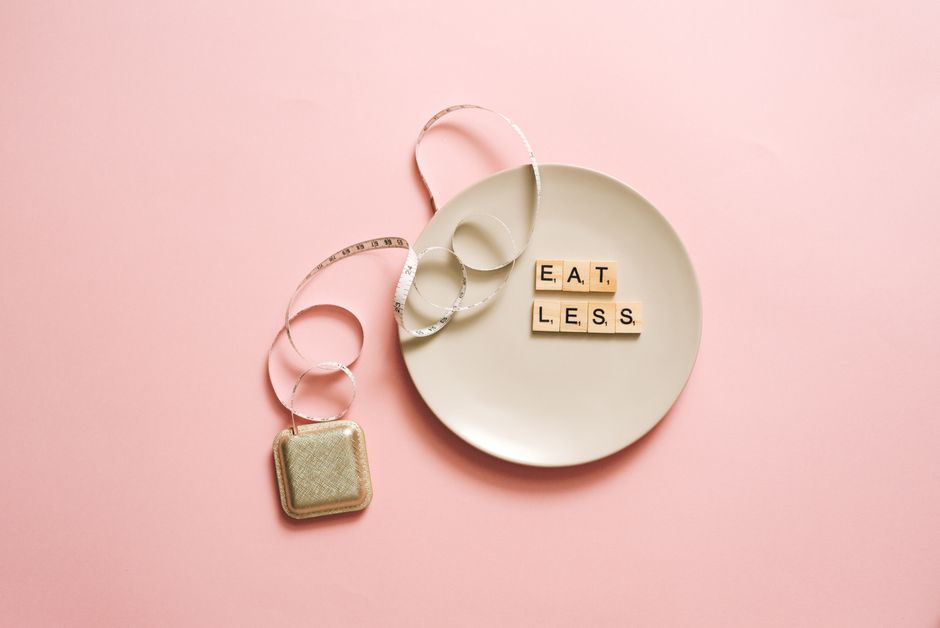
An NPO diet means a person takes nothing by mouth — no food, no water, no ice chips, no medications swallowed with water. NPO stands for the Latin phrase nil per os, which means “nothing through the mouth.” It is not a weight-loss plan or a fasting trend. It is a temporary medical order used before surgery, during certain illnesses, or when the digestive system needs to rest or heal.
Doctors and nurses use NPO status to protect patients. An empty stomach lowers the risk of stomach contents entering the lungs during anesthesia. It can also keep food and fluid away from an injured or blocked digestive tract. The order is always temporary and always tied to a specific medical reason.
What Is an NPO Diet and Why Is It Ordered?
An NPO diet is a medical instruction to withhold all food and drink for a set period. Hospitals use it for several common situations.
Before surgery and sedation, the stomach needs to be empty. If a person vomits while sedated or under anesthesia, stomach contents can enter the lungs. That event is called aspiration, and it can cause serious lung injury. Fasting before anesthesia is one of the most established safety practices in medicine.
NPO status is also used when the digestive tract is injured, blocked, or healing. Examples include some bowel obstructions, severe pancreatitis, and recovery from certain abdominal surgeries. In these cases, food and fluid moving through the gut could make the problem worse.
Sometimes the order is partial. A patient might be NPO after midnight for a morning procedure, or NPO except for small sips of water with medications. The exact terms are set by the care team and can change quickly.
One point people often miss: NPO is not a treatment in itself. It is a supportive measure. It does not cure anything. It removes a risk while something else — surgery, medication, or time — does the actual work.
What Does “Nothing by Mouth” Actually Include?
NPO means everything that enters the mouth and is swallowed. That is broader than most people expect.
- Food of any kind
- Water, juice, coffee, tea, and soda
- Ice chips and hard candy
- Gum and breath mints
- Pills and capsules, unless the care team says otherwise
Even small amounts count. A few ice chips or a sip of water can change how much fluid sits in the stomach. That is why nurses often ask patients to be honest about anything they swallowed, including a single sip.
There is one important exception. Some patients must take essential medicines, such as heart or blood pressure drugs. Clinicians sometimes allow a small sip of water for these. This decision belongs to the prescribing team, not the patient. Never take a medication during an NPO period without asking first.
How Long Does a Person Stay NPO Before Surgery?
Fasting times before anesthesia are shorter than many people assume. The old rule of “nothing after midnight” has largely been replaced by evidence-based guidance from professional anesthesia societies.
Current guidance from the American Society of Anesthesiologists generally allows clear liquids up to two hours before anesthesia, breast milk up to four hours, and light meals up to six hours. These are general figures. Your surgical team may set different limits based on your procedure, health, and other factors. Always follow the specific instructions you are given.
Longer fasting is not safer. In fact, drinking clear liquids closer to surgery is often encouraged because it improves comfort and reduces dehydration. Prolonged fasting can cause headaches, irritability, and low blood sugar in some patients.
Outside of surgery, NPO periods vary widely. Some last a few hours. Some last days, such as after major abdominal surgery or during a severe bout of pancreatitis. During longer periods, the medical team provides nutrition and fluids another way, usually through an intravenous line or a feeding tube placed past the stomach.


How Are Nutrition and Fluids Maintained During NPO?
The body cannot go without water for long. When a person cannot eat or drink, the care team replaces fluids and nutrients through other routes.
Intravenous fluids deliver water, salt, and sugar directly into the bloodstream. For short NPO periods — a few hours to a day or two — this is usually enough. The body draws on its own stored energy.
For longer periods, nutrition matters more. A person who cannot eat for many days can lose muscle and strength. In these cases, clinicians may use parenteral nutrition, which delivers nutrients through a vein, or enteral nutrition, which delivers liquid food through a tube into the stomach or intestine. Enteral feeding is generally preferred when the gut works, because it keeps the intestine healthy and carries fewer infection risks.
Thirst and dry mouth are common during NPO. Oral care helps. Brushing teeth, rinsing the mouth, and using lip balm can ease discomfort without breaking the order. Some hospitals allow small sponge swabs to moisten the lips. Ask your nurse what is permitted.
What Are the Risks of Staying NPO Too Long?
NPO is safe when used correctly and for the right reasons. Problems arise when it lasts longer than needed.
Prolonged fasting can lead to dehydration, low blood sugar, and muscle loss. It can make people weak and slow recovery. In older adults, extended NPO periods can increase confusion and fall risk. These risks are why modern guidance emphasizes shorter fasting windows and early return to eating when it is safe.
There is also a less obvious risk: unnecessary NPO orders. Research and quality-improvement efforts have found that some patients are kept NPO longer than their condition requires, often out of habit or caution. If you or a family member has been NPO for an extended time, it is reasonable to ask the care team when eating can resume and why the order is still in place.
This is not a reason to ignore the order. It is a reason to ask questions and stay informed.
What Should You Do If You Are on an NPO Diet?
Follow the instructions exactly, and speak up if something is unclear.
- Tell your nurse about anything you swallow, even a sip of water.
- Ask before taking any medication, including routine ones.
- Ask what is allowed for mouth care and thirst relief.
- Ask when the NPO order is expected to end.
- Tell staff if you feel dizzy, shaky, or very thirsty.
Being honest and asking questions protects you. The order exists for your safety, and your care team can adjust it as your situation changes.
Frequently Asked Questions
Can I drink water on an NPO diet?
No, water counts as something by mouth and is not allowed unless your care team specifically permits it. Even small sips can affect stomach contents and procedure safety.
What does NPO stand for in medical terms?
NPO stands for nil per os, Latin for “nothing by mouth.” It is a medical order to withhold all food and drink for a set period.
How long before surgery do you have to stop eating?
Current anesthesia guidance generally allows clear liquids up to two hours before surgery and light meals up to six hours. Your surgical team will give you specific instructions that may differ.
Can I take my regular medications while NPO?
Only if your care team says so. Some essential medicines are allowed with a small sip of water, but this decision must come from your clinician.
