
An L1 compression fracture is a break in the first lumbar vertebra in your lower back, usually caused by the bone collapsing under pressure. This most often happens from a fall or from weakened bones due to osteoporosis. Treatment focuses on pain relief, bracing, and sometimes procedures to stabilize the bone, with the goal of getting you moving again safely.
What Exactly Is the L1 Vertebra?
The L1 vertebra is the top bone of your lumbar spine, sitting just below the last rib. It is part of the lower back’s natural curve and carries a significant amount of your body’s weight. Because it is a transition point between the more rigid ribcage area and the more flexible lower spine, it endures unique mechanical stress.
When we talk about a compression fracture here, we mean the front part of the vertebra has collapsed. The bone loses height on its front side, which can create a wedge shape. The back part of the bone usually stays intact, which is what distinguishes this from more severe fracture types.
What Are the Main Causes of an L1 Compression Fracture?
The two most common causes are trauma and bone weakness. In younger people, a high-energy event like a car accident or a hard fall from a height is the typical culprit. In older adults, the cause is often much simpler—something like a slip on the rug or even no specific injury at all.
Osteoporosis is the underlying driver in most cases for people over 50. The bone becomes porous and brittle, losing the structural strength needed to handle everyday loads. When the bone density drops enough, the simple act of bending forward to lift a grocery bag can be enough to cause a fracture.
Other causes include certain cancers that have spread to the bone, which weaken the vertebra from within. This is less common but important for doctors to rule out, especially if there is no clear history of trauma or osteoporosis.
How Do You Know If You Have an L1 Compression Fracture?
The hallmark symptom is sudden, sharp back pain right at the site of the break. The pain is typically worse with standing or walking and often improves when you lie down. You may notice that twisting or bending forward makes the pain spike.
Some people also feel pain radiating around the side into the abdomen or down into the buttocks, though this is less common than with fractures lower in the spine. If the bone fragments press on a nerve, you could feel numbness, tingling, or weakness in your legs. That is a sign you need immediate medical attention.
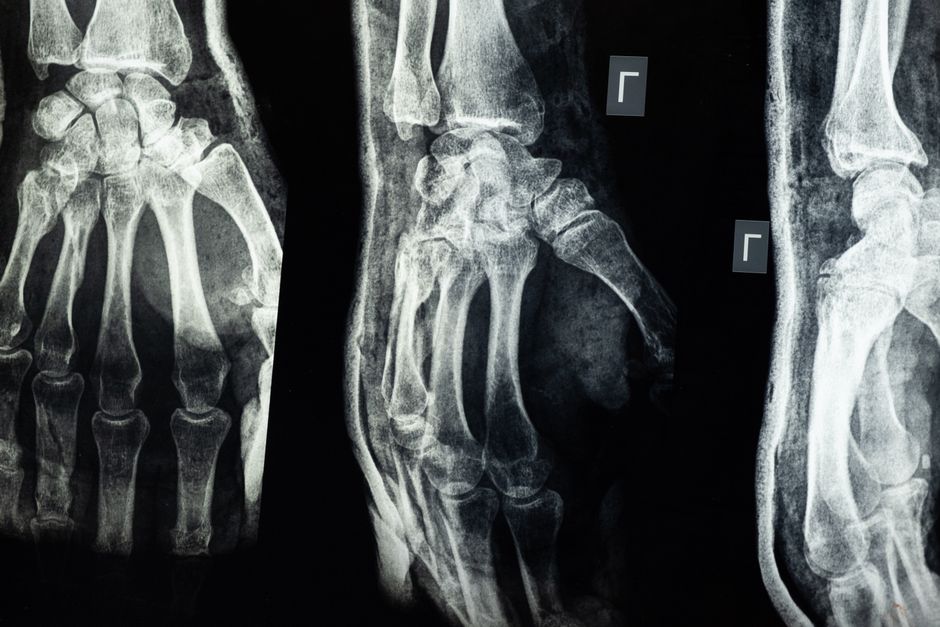
Diagnosis almost always begins with an X-ray, which can show the loss of vertebral height. If the doctor needs a clearer picture of the bone structure or wants to check for nerve involvement, a CT scan or MRI may be ordered. An MRI is especially useful for determining if the fracture is recent or old.





What Are the Treatment Options for an L1 Compression Fracture?
Treatment depends heavily on the severity of the fracture and the patient’s overall health. Most L1 compression fractures—about two-thirds—heal with conservative care. This means no surgery, just management of symptoms while the bone repairs itself.
Conservative treatment typically includes short-term pain medication, a back brace, and a gradual return to activity. The brace restricts movement and helps support the spine while the bone heals. Bed rest is generally discouraged for more than a day or two because prolonged inactivity weakens muscles and increases the risk of blood clots.
Physical therapy is an important part of recovery. Once the acute pain settles, targeted exercises help strengthen the back and core muscles. This muscle support takes pressure off the healing vertebra and reduces the chance of future fractures.
When Is Surgery Considered?
Surgery is not the first choice for most L1 compression fractures. It is reserved for cases where the fracture is unstable, the spine is misaligned, or nerve damage is present. If the vertebra has collapsed significantly—often more than 50% of its height—surgery may be recommended to prevent further deformity.
Two common procedures are kyphoplasty and vertebroplasty. Both involve injecting bone cement into the fractured vertebra to stabilize it. Kyphoplasty uses a balloon to create space before the cement is injected, which can restore some height. These are minimally invasive procedures with short recovery times, but they are not appropriate for everyone.
The evidence on these procedures is mixed. Some studies show good short-term pain relief, but others show no significant advantage over conservative care after the first few months. The decision should be made with a spine specialist who can weigh the risks and benefits for your specific situation.
What Is the Typical Recovery Timeline?
Healing time varies, but most people see significant improvement within six to eight weeks. The bone itself takes about three months to solidify, though full remodeling can continue for a year. Pain typically decreases gradually rather than disappearing all at once.
Returning to normal activities is a gradual process. Most people can walk within a few days, using pain as their guide. Driving and returning to work depend on the job—sedentary work may resume in a few weeks, while heavy physical labor may take several months.
It is important to understand that a compression fracture is a warning sign. If osteoporosis caused the break, the risk of another fracture elsewhere in the spine is elevated. Treating the underlying bone condition is essential, not optional.
How Can You Prevent Another Compression Fracture?
Prevention starts with addressing bone health. If you have osteoporosis, your doctor may recommend calcium and vitamin D supplements, along with prescription medications that slow bone loss or promote bone formation. These medications have been shown to reduce the risk of vertebral fractures in people with low bone density.
Weight-bearing exercise, like walking or light strength training, helps maintain bone density. Balance exercises are equally important because they reduce the risk of falls, which are the direct cause of many fractures. Simple measures like removing loose rugs and improving lighting in your home can make a real difference.
Avoid high-impact activities and heavy lifting during the healing phase. Your doctor or physical therapist can guide you on safe movement patterns. Bending at the knees instead of the waist, and avoiding twisting motions, protects your spine during everyday tasks.
What Happens If an L1 Compression Fracture Is Left Untreated?
Most fractures will eventually heal on their own, but untreated fractures can lead to problems. The vertebra may collapse further, causing a visible hump in the back known as kyphosis. This postural change can affect your balance, breathing, and overall mobility.
Chronic pain is another possible outcome. If the fracture heals in a poor position, the altered biomechanics can strain other parts of the spine, leading to ongoing discomfort. In some cases, nerve compression develops later due to the changing shape of the spinal canal.
This is why medical evaluation is important even if the pain seems manageable. A doctor can assess fracture stability and guide you on the safest path to recovery. Ignoring the injury and hoping it resolves on its own is not a reliable strategy.
When Should You See a Doctor Immediately?
Seek emergency care if the back pain is accompanied by leg weakness, numbness in the groin area, or loss of bladder or bowel control. These symptoms can indicate spinal cord involvement and require urgent evaluation. Loss of height or a visible deformity in the back also warrants prompt medical attention.
If you have known osteoporosis and develop sudden back pain after a minor twist or fall, see a doctor even if the pain seems mild. Early diagnosis allows for earlier treatment and can prevent the fracture from worsening. Delaying care by weeks can complicate the healing process.
Frequently Asked Questions
How painful is an L1 compression fracture?
It typically causes sudden, sharp pain at the fracture site that worsens with standing or movement and improves with lying down. The pain can be severe enough to limit daily activities for the first few weeks.
Can you walk with an L1 compression fracture?
Yes, most people can walk, though it may be painful. Walking is actually encouraged as part of recovery, but you should use pain as your guide and avoid long periods of standing.
How long does it take for an L1 compression fracture to heal?
Most fractures heal within six to eight weeks, with the bone solidifying by three months. Full recovery, including return to strenuous activity, may take several months.
Is an L1 compression fracture serious?
It can be, depending on the degree of collapse and whether nerves are involved. Most heal well with conservative care, but any fracture in the spine deserves proper medical evaluation.
An L1 compression fracture is a common injury that ranges from mild to serious. The key to a good outcome is prompt diagnosis, appropriate treatment, and addressing the underlying cause—especially osteoporosis. If you suspect you have this injury, seek medical advice rather than waiting it out.
