
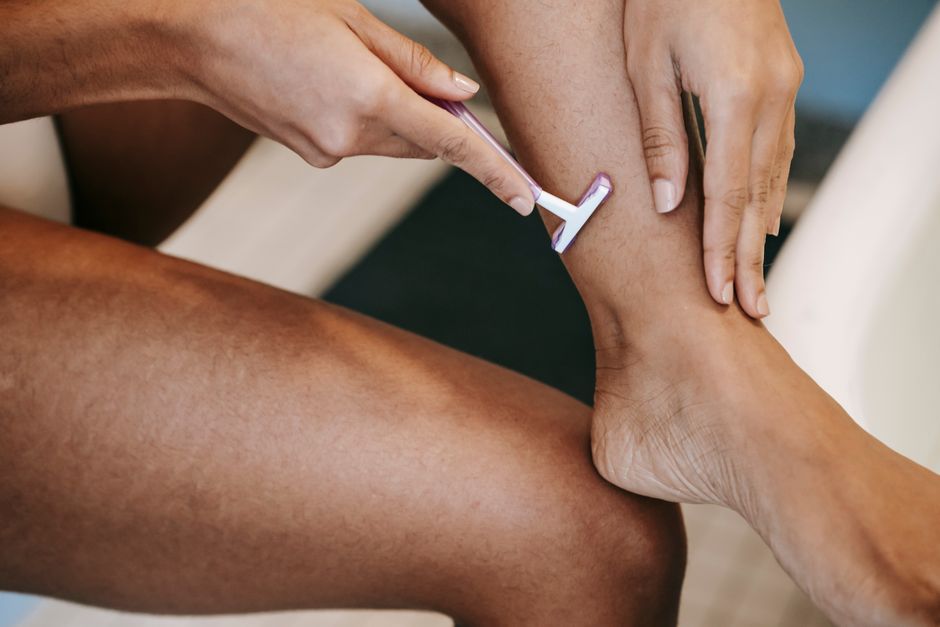
An ingrown hair happens when a hair that has been cut or removed grows back into the skin instead of rising through the surface. The skin responds to the trapped hair with irritation, which produces a small red or dark bump, sometimes filled with pus. It is most common in areas that are shaved, waxed, or plucked, especially the face, neck, armpits, legs, and pubic area.
Ingrown hairs are usually harmless and often clear up on their own. Some people get them repeatedly, and a few develop more serious inflammation or infection. Understanding how they form makes it easier to tell a routine ingrown hair from something that needs medical attention.
What Is An Ingrown Hair?
An ingrown hair is a hair that curls back into the skin or grows sideways under the surface rather than pushing up through the follicle opening. The body treats the trapped hair as a minor foreign object, triggering redness, swelling, and tenderness around it.
The medical term is pseudofolliculitis when it is caused by hair curving back into the skin. A related condition, folliculitis, is inflammation or infection of the hair follicle itself. The two can look similar, and both can happen at the same time.
Ingrown hairs are not a sign of poor hygiene. They are a mechanical problem — a mismatch between how a hair grows and how it was removed. People with tightly curled hair are more prone to them because the curl makes it easier for a new hair to bend back toward the skin.
What Causes Ingrown Hairs?
Most ingrown hairs follow hair removal. Shaving cuts a hair at an angle and leaves a sharp tip that can pierce the skin as it grows back. Waxing, plucking, and threading pull hair from the root, and the new hair can get trapped beneath a layer of skin as it returns.
Several factors raise the odds:
- Tightly curled or coarse hair, which bends back more easily
- Shaving close to the skin or against the direction of hair growth
- Dead skin cells blocking the follicle opening
- Pulling skin taut while shaving, which can cut hair below the surface
- Wearing tight clothing that rubs against freshly shaved skin
- Repeated friction from helmets, waistbands, or collars
Razor bumps on the face and neck are a common form of ingrown hair in people who shave. The same process happens on the legs, underarms, and bikini line. Friction alone, without hair removal, can also trap hairs in some people.
What Does an Ingrown Hair Look Like?
An ingrown hair usually appears as a small, raised bump that may be red, pink, or darker than the surrounding skin. It can look like a pimple, and a visible hair may be seen at the center or just under the surface.
Common features include:
- A tender bump in an area you shave or wax
- Redness or slight swelling around the hair
- A small pus-filled head, similar to a pimple
- Itching or mild discomfort
- A dark spot left after the bump heals
An ingrown hair can be mistaken for a pimple, a cyst, or a skin infection. The location and timing are useful clues. A bump that appears within days of hair removal, in an area you regularly shave, is more likely to be an ingrown hair. A bump that keeps growing, spreads, or becomes very painful is worth having checked.
People with darker skin tones are more likely to develop dark marks, called post-inflammatory hyperpigmentation, after an ingrown hair heals. These marks are not scars in the usual sense and often fade over time, though it can take months.
How Do You Treat an Ingrown Hair?
Most ingrown hairs clear up on their own within a few days to a couple of weeks as the hair grows out or the skin sheds. Gentle care is usually enough.
Steps that are widely recommended:
- Stop shaving, waxing, or plucking the area until it heals
- Apply a warm, damp cloth for a few minutes several times a day to soften the skin and encourage the hair to surface
- Wash gently with mild soap and avoid scrubbing
- Use a gentle exfoliant such as a soft washcloth or a product containing salicylic acid or glycolic acid, which can help remove dead skin over time
- Leave the bump alone — do not squeeze or dig for the hair
Picking or squeezing raises the risk of infection and scarring. If a hair is clearly visible at the surface, some clinicians suggest gently lifting it with clean tweezers, but not pulling it out, since that can restart the cycle. If you are unsure, leave it.
Over-the-counter hydrocortisone cream may reduce redness and itching. For bumps that do not improve, a doctor may recommend other treatments. There is no single proven treatment that works for everyone, and the evidence for many popular remedies is limited.
When Should You See a Doctor?
See a doctor if an ingrown hair becomes very painful, keeps getting larger, spreads, or shows signs of infection such as increasing redness, warmth, pus, or fever. These can signal a bacterial infection that may need antibiotics.
Other reasons to seek medical advice:
- Bumps that do not improve after a few weeks of home care
- Repeated crops of bumps that are hard to control
- Large, painful lumps that may be cysts
- Scarring or dark marks that bother you
- Ingrown hairs in the beard area that cause significant discomfort
Some people develop a more persistent condition called pseudofolliculitis barbae, which mainly affects the beard area in men with tightly curled hair. It can cause ongoing bumps and scarring. A doctor can discuss options, which may include changes to shaving habits, topical treatments, or in some cases laser hair reduction.
Do not ignore a bump that looks infected or is getting worse. A small infection can spread, and early treatment is simpler than waiting.
How Can You Prevent Ingrown Hairs?
Prevention focuses on how you remove hair and how you care for the skin afterward. No method prevents every ingrown hair, but these steps lower the odds.
For shaving:
- Soften the hair first with warm water and shaving cream or gel
- Shave in the direction the hair grows, not against it
- Use a sharp razor and rinse it after each stroke
- Do not pull the skin tight, which can cut hair below the surface
- Rinse with cool water and apply a gentle moisturizer afterward
For other hair removal, waxing and depilatory creams may cause fewer ingrown hairs for some people, though results vary. Regular gentle exfoliation helps remove dead skin that can trap hairs. Avoid tight clothing on freshly treated skin.
If you get ingrown hairs often, a different hair removal method may help. Some people find that electric razors or trimmers leave a slightly longer hair and cause fewer problems. Others benefit from laser hair reduction, which is a medical procedure and not a guaranteed fix. A doctor or dermatologist can help you weigh the options.
There is no evidence that any diet, supplement, or skincare product reliably prevents ingrown hairs. Be cautious of products marketed with strong claims, since few have been tested in good clinical trials.
Do Ingrown Hairs Go Away on Their Own?
Yes, most ingrown hairs resolve without treatment. The hair eventually grows out or the skin sheds, and the bump fades over days to a few weeks.
Some cases linger or recur, especially in people who keep shaving the same area. If bumps keep coming back, the solution is usually to change how you remove hair rather than to treat each bump individually. Persistent or painful bumps deserve a medical look, since other skin conditions can mimic ingrown hairs.
Frequently Asked Questions
Are ingrown hairs a sign of poor hygiene?
No. Ingrown hairs are caused by how hair grows back after removal, not by cleanliness. Anyone who shaves, waxes, or plucks can get them.
Should you squeeze an ingrown hair?
No. Squeezing can push bacteria deeper, increase inflammation, and raise the risk of scarring. Warm compresses and gentle exfoliation are safer.
How long does an ingrown hair take to heal?
Most heal within a few days to a couple of weeks with gentle care. Bumps that last longer or get worse should be checked by a doctor.
Can ingrown hairs become infected?
Yes. Picking or squeezing raises the risk, and an infected bump may become more painful, red, warm, or drain pus. Signs of infection need medical attention.
