

An inflammatory diet is a long-term eating pattern that consistently promotes low-grade inflammation throughout the body. It is typically high in ultra-processed foods, refined sugars, unhealthy fats, and excess alcohol, while being low in fiber, antioxidants, and other protective nutrients. Over time, this type of eating plan can raise your risk for chronic conditions like heart disease, type 2 diabetes, and certain autoimmune disorders.
What Is An Inflammatory Diet? Causes And Key Foods
Inflammation is your body’s natural defense system. When you get a cut or an infection, your immune system sends white blood cells to the area. This acute inflammation is short-term and necessary for healing. The problem starts when inflammation never fully turns off.
An inflammatory diet keeps that switch stuck in the “on” position. Instead of a localized response, you get a whole-body, low-grade inflammatory state. It is not something you feel immediately. It builds over months and years.
The foods you eat can either feed this process or calm it. Certain foods directly trigger inflammatory pathways. Others lack the compounds needed to keep your immune system balanced. The typical Western diet — heavy on processed meats, sugary drinks, and refined grains — is the clearest example of a pro-inflammatory eating pattern.
How Does Food Cause Inflammation in the Body?
Food affects inflammation through several biological pathways. One of the best understood involves blood sugar. When you eat refined carbohydrates — white bread, pastries, sugary cereals — your blood glucose spikes quickly. Your pancreas releases a surge of insulin to bring it down. Repeated spikes and surges stress your cells and promote the release of inflammatory molecules called cytokines.
Another pathway involves fat tissue. Diets high in trans fats and excess omega-6 fatty acids can shift your body’s production of signaling molecules toward a pro-inflammatory state. Meanwhile, omega-3 fatty acids from fish and certain plant sources produce anti-inflammatory molecules. The ratio between these fats matters more than any single food.
Gut health plays a role too. A diet low in fiber starves the beneficial bacteria in your colon. These bacteria produce short-chain fatty acids like butyrate, which help regulate immune responses. Without enough fiber, the gut barrier can become more permeable — sometimes called “leaky gut.” This allows bacterial fragments into the bloodstream, triggering an immune response that drives systemic inflammation.
Key Foods That Promote Inflammation
Some foods have consistent evidence linking them to higher inflammatory markers. These are the main offenders:
- Sugary beverages — sodas, sweetened teas, and fruit drinks deliver a rapid glucose load with no fiber to slow absorption.
- Refined carbohydrates — white bread, white rice, pasta made from refined flour, and most breakfast cereals.
- Processed meats — bacon, sausages, hot dogs, deli meats. These contain advanced glycation end products (AGEs) and preservatives linked to inflammation.
- Fried foods — especially those fried in partially hydrogenated oils, which contain trans fats.
- Excess alcohol — more than one drink per day for women or two for men can raise inflammatory markers.
- Artificial trans fats — still present in some commercial baked goods, microwave popcorn, and certain fast foods, despite being banned in many places.
Keep in mind that no single food causes chronic inflammation on its own. It is the overall pattern that matters. Someone who eats a cheeseburger once a month is not at high risk. Someone who eats fast food several times a week is.




Foods That Reduce Inflammation
An anti-inflammatory diet is not a strict list of “superfoods.” It is a shift in overall eating habits. The Mediterranean diet is the most widely studied eating pattern for reducing inflammation, and it is consistently linked to lower levels of inflammatory markers like C-reactive protein (CRP).
Key components of an anti-inflammatory eating pattern include:
- Fatty fish — salmon, sardines, mackerel, and anchovies provide omega-3 fatty acids. Aim for two servings per week.
- Colorful fruits and vegetables — berries, leafy greens, tomatoes, and peppers contain antioxidants that neutralize free radicals.
- Whole grains — oats, brown rice, quinoa, barley, and whole wheat. These provide fiber that feeds gut bacteria.
- Legumes — beans, lentils, and chickpeas are rich in fiber and plant protein.
- Nuts and seeds — walnuts, almonds, chia seeds, and flaxseeds contain healthy fats and fiber.
- Olive oil — extra virgin olive oil is rich in monounsaturated fats and polyphenols with anti-inflammatory effects.
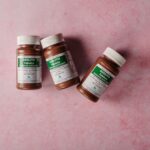
- Herbs and spices — turmeric, ginger, garlic, and cinnamon have demonstrated anti-inflammatory properties in laboratory studies.
This is not about eliminating every “bad” food forever. It is about building a diet where protective foods dominate and inflammatory foods are occasional rather than daily.
What Does the Research Actually Show?
The evidence connecting diet to systemic inflammation is strong for some foods and weaker for others. Dietary patterns are easier to study than individual foods, and the results are consistent. People who follow Mediterranean-style or plant-forward diets have lower levels of inflammatory biomarkers.
Research published in journals like the American Journal of Clinical Nutrition has found that dietary interventions can lower CRP and other inflammatory markers within weeks. However, the size of the effect varies between individuals. Genetics, sleep, stress, exercise, and body weight all influence your inflammatory status.
Some specific claims deserve caution. Turmeric supplements, for example, show anti-inflammatory activity in laboratory settings, but the evidence for meaningful clinical benefit in humans is mixed. Curcumin — the active compound — has poor absorption. Many studies use special formulations to improve bioavailability. The same caution applies to ginger, green tea extract, and other popular “anti-inflammatory” supplements. The whole food version is likely more beneficial than any isolated supplement.
How to Tell If Your Diet Is Inflammatory
You can get a rough sense of your diet’s inflammatory potential without lab tests. Ask yourself these questions:
- Do I eat ultra-processed foods most days of the week?
- Is sugar added to my drinks or snacks daily?
- Do I eat fewer than five servings of fruits and vegetables per day?
- Do I regularly eat fast food or fried foods?
- Is my fiber intake low — under 25 grams per day for adults?
If you answered yes to several of these, your diet is probably more pro-inflammatory than anti-inflammatory. You do not need a blood test to know this. You can simply change your eating pattern.
If you want a lab measurement, high-sensitivity CRP (hs-CRP) is the most commonly used marker. Levels below 1.0 mg/L indicate low inflammation. Between 1.0 and 3.0 is moderate. Above 3.0 is high. However, CRP rises with infections and injuries too, so a single elevated reading does not necessarily mean chronic inflammation.
Does an Inflammatory Diet Cause Disease?
Chronic low-grade inflammation is a known contributor to several major diseases. Atherosclerosis — the buildup of plaque in arteries — is now understood as an inflammatory process. Insulin resistance and type 2 diabetes involve chronic inflammation in fat tissue. Certain cancers, including colorectal cancer, are more common in people with long-term inflammatory diets.
This does not mean an inflammatory diet directly causes any of these conditions. It means it raises the risk. Genetics, smoking, physical inactivity, and environmental exposures all interact with diet. You can eat a poor diet and stay healthy. You can eat a perfect diet and still develop disease. The statistics, however, favor the anti-inflammatory pattern.
Research published in the journal Circulation found that higher dietary inflammatory index scores — a tool that ranks diets by their inflammatory potential — were associated with higher rates of cardiovascular disease. Similar findings exist for colorectal cancer and type 2 diabetes. The effect sizes are moderate, not dramatic, but they are consistent across large population studies.
Practical Steps to Shift Your Diet Today
You do not need to overhaul your entire kitchen overnight. Small, consistent changes matter more than a perfect two-week reset. Start with these steps:
- Swap one sugary drink per day for water or unsweetened tea.
- Add a serving of vegetables to lunch or dinner.
- Replace white bread with 100% whole grain bread.
- Choose fish or legumes instead of processed meat twice per week.
- Cook with olive oil instead of butter or margarine.
- Keep fruit and nuts visible for snacks instead of packaged chips or cookies.
Track your meals for a week. Notice the pattern. Most people are surprised by how much added sugar and refined grain they consume without realizing it. Once you see the pattern, you can make targeted changes.
Common Myths About Inflammatory Diets
Several myths circulate about anti-inflammatory eating. One is that you must eliminate all nightshade vegetables — tomatoes, peppers, eggplant — because they “cause inflammation.” No good clinical evidence supports this for most people. Some individuals with specific autoimmune conditions may be sensitive, but this is not generalizable.
Another myth is that dairy is inherently inflammatory. Studies are mixed. Full-fat dairy may raise some inflammatory markers in sensitive individuals, but fermented dairy like yogurt and kefir appears neutral or even beneficial due to probiotics. The evidence does not support avoiding all dairy unless you have a diagnosed intolerance.
A third myth is that gluten is inflammatory for everyone. Only people with celiac disease or confirmed non-celiac gluten sensitivity need to avoid gluten. For everyone else, whole grains containing gluten are actually associated with lower inflammation because of their fiber content.
Frequently Asked Questions
What are the first signs of an inflammatory diet?
There are no specific early symptoms. Fatigue, joint aches, skin issues, and digestive problems can occur, but they are not definitive. Blood tests measuring CRP or other inflammatory markers are the most objective way to assess it.
How long does it take for an anti-inflammatory diet to work?
Some research shows inflammatory markers can drop within two to four weeks of dietary change. However, the full effect on chronic disease risk builds over months to years of consistent eating habits.
Can I eat carbs on an anti-inflammatory diet?
Yes. Whole grains, fruits, vegetables, and legumes are carbohydrate-rich and are core components of anti-inflammatory eating. The problem is refined and highly processed carbohydrates, not carbs in general.
Is coffee inflammatory or anti-inflammatory?
Regular coffee consumption is associated with lower levels of inflammatory markers in most population studies. The effect appears neutral to beneficial for most people, though adding large amounts of sugar and cream changes the picture.
