

Your blood sugar is the fuel your body runs on. But too much or too little can cause serious problems over time. An average blood sugar level range for most healthy adults is between 70 and 99 mg/dL when fasting. After eating, it typically stays below 140 mg/dL. These numbers are the standard doctors use to check if your glucose metabolism is working as it should.
What Is An Average Blood Sugar Level Range?
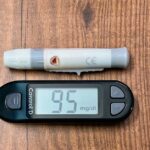
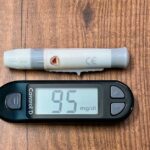
This is the question most people type into a search bar. Here is the direct answer. For a person without diabetes, a normal fasting blood sugar is 70 to 99 mg/dL. Fasting means no food or drink besides water for at least eight hours. A reading of 100 to 125 mg/dL is called impaired fasting glucose or prediabetes. A reading of 126 mg/dL or higher on two separate tests indicates diabetes.
After meals, blood sugar rises. Two hours after eating, a normal level is below 140 mg/dL. Between 140 and 199 mg/dL is prediabetes. At 200 mg/dL or higher, diabetes is diagnosed. These ranges come from the American Diabetes Association and are widely accepted worldwide.
Blood sugar fluctuates throughout the day. It is lowest in the morning before breakfast and highest about an hour after a meal. Exercise, stress, illness, and even sleep quality can shift these numbers temporarily.
What Is the Difference Between Fasting and Post-Meal Blood Sugar?
Fasting blood sugar tells you how your body manages glucose when no food is coming in. Your liver releases stored glucose during the night to keep your brain and organs running. A healthy fasting number means your body is sensitive to insulin and can keep glucose in check without food.
Post-meal blood sugar shows how well your body processes the carbohydrates you just ate. After a meal, your pancreas releases insulin. Insulin helps cells absorb glucose from the blood. If your cells resist insulin or your pancreas cannot keep up, glucose stays in the blood longer. That is why post-meal numbers above 140 mg/dL signal a problem.
Both numbers matter. Some people have normal fasting levels but high post-meal numbers. Others have the opposite pattern. Doctors typically look at both to get the full picture.
What Is a Normal A1C Level?
A1C is a blood test that shows your average blood sugar over the past two to three months. It measures how much glucose sticks to hemoglobin in your red blood cells. The result is given as a percentage.
A normal A1C is below 5.7 percent. Prediabetes is 5.7 to 6.4 percent. Diabetes is 6.5 percent or higher. For most adults with diabetes, the target A1C is below 7 percent. That target may be adjusted for older adults or people with other health conditions.
A1C is more stable than daily finger-stick readings. It does not swing with meals or exercise. That makes it useful for tracking long-term control. But it can be misleading if you have anemia or certain hemoglobin variants. Talk to your doctor about which test fits your situation.



What Factors Cause Blood Sugar to Go Outside the Normal Range?
Many things push blood sugar higher or lower than normal. Carbohydrate intake is the biggest driver. Foods high in refined carbs and sugar raise blood glucose quickly. Fiber, protein, and fat slow that rise.
Physical activity lowers blood sugar because muscles use glucose for energy. Even a short walk after a meal can help. Stress raises blood sugar because cortisol and adrenaline signal your liver to release stored glucose. Illness and infection do the same thing.
Medications affect blood sugar too. Steroids like prednisone raise it. Some blood pressure drugs and statins can also increase glucose levels. If you take any prescription medication, check whether it affects blood sugar.
Sleep matters more than most people realize. Poor sleep lowers insulin sensitivity. One night of bad sleep can raise your fasting blood sugar the next morning. Chronic sleep deprivation is linked to higher A1C levels.
How Do Doctors Measure Average Blood Sugar?
Doctors use several tools. The fasting plasma glucose test is a single blood draw after eight hours without food. The oral glucose tolerance test measures your blood sugar before and two hours after drinking a sugary solution. This test is common during pregnancy to check for gestational diabetes.
The A1C test is the standard for long-term monitoring. It does not require fasting. A random plasma glucose test can be done anytime and a result above 200 mg/dL with symptoms of diabetes is diagnostic.
Continuous glucose monitors are becoming more common. These devices track glucose every few minutes through a sensor placed under the skin. They are most often used by people with type 1 diabetes but some people with prediabetes or type 2 diabetes use them too. They show patterns that finger-stick tests miss, like overnight lows or post-meal spikes.
What Is the Difference Between Hypoglycemia and Hyperglycemia?
Hypoglycemia means low blood sugar. It is generally defined as below 70 mg/dL. Symptoms include shakiness, sweating, confusion, dizziness, and hunger. Severe hypoglycemia can cause unconsciousness or seizures. It is most common in people with diabetes who take insulin or certain oral medications.
Hyperglycemia means high blood sugar. It is above 130 mg/dL fasting or above 180 mg/dL after meals for someone with diabetes. Symptoms include frequent urination, excessive thirst, blurred vision, and fatigue. Over time, chronic hyperglycemia damages blood vessels, nerves, and organs.
Both conditions are serious. Hypoglycemia needs immediate treatment with fast-acting sugar like juice or glucose tablets. Hyperglycemia needs a longer-term plan involving medication, diet, and activity adjustments. If you experience either regularly, talk to your healthcare provider.
Can You Improve Your Blood Sugar Without Medication?
Yes, for many people. Lifestyle changes can significantly lower blood sugar. Weight loss of even five to ten percent of body weight improves insulin sensitivity. Regular exercise, especially a mix of aerobic and resistance training, helps muscles take up glucose more efficiently.
Dietary changes matter most. Reducing refined carbohydrates and added sugars has the biggest impact. Eating more fiber from vegetables, legumes, and whole grains slows glucose absorption. Protein and healthy fats at meals help keep blood sugar steady.
Sleep and stress management are often overlooked. Improving sleep hygiene and finding ways to manage chronic stress can lower both fasting and post-meal glucose levels. These changes do not work overnight but consistent effort over weeks and months produces measurable results.
Some people with prediabetes can return their blood sugar to normal with lifestyle changes alone. Others need medication. There is no shame in needing help. The goal is to keep blood sugar in a safe range by whatever means works for your body.
What Blood Sugar Numbers Should You Watch for If You Have Diabetes?
If you have diabetes, your targets may differ from the normal ranges for people without the condition. The American Diabetes Association recommends fasting blood sugar between 80 and 130 mg/dL. Post-meal blood sugar should be below 180 mg/dL. A1C should be below seven percent.
These targets are not one-size-fits-all. Older adults, people with long-standing diabetes, or those with other health conditions may have different goals. Your doctor will set targets based on your age, diabetes duration, and risk of hypoglycemia.
The most important number to watch is the trend. A single high reading is not a crisis. Repeated high readings or a rising A1C mean your current plan needs adjustment. Track your numbers and share them with your healthcare team at every visit.
Frequently Asked Questions
What is a normal blood sugar level for a person without diabetes?
A normal fasting blood sugar is 70 to 99 mg/dL and a normal level two hours after eating is below 140 mg/dL.
What blood sugar level is considered prediabetes?
Fasting blood sugar of 100 to 125 mg/dL or an A1C of 5.7 to 6.4 percent indicates prediabetes.
Can drinking water lower blood sugar?
Drinking water helps your kidneys flush excess glucose through urine, which can lower blood sugar slightly, but it does not treat the underlying cause of high glucose.
Is 200 blood sugar normal after eating?
No, a blood sugar of 200 mg/dL or higher two hours after eating is a sign of diabetes and warrants a follow-up with your doctor.
