
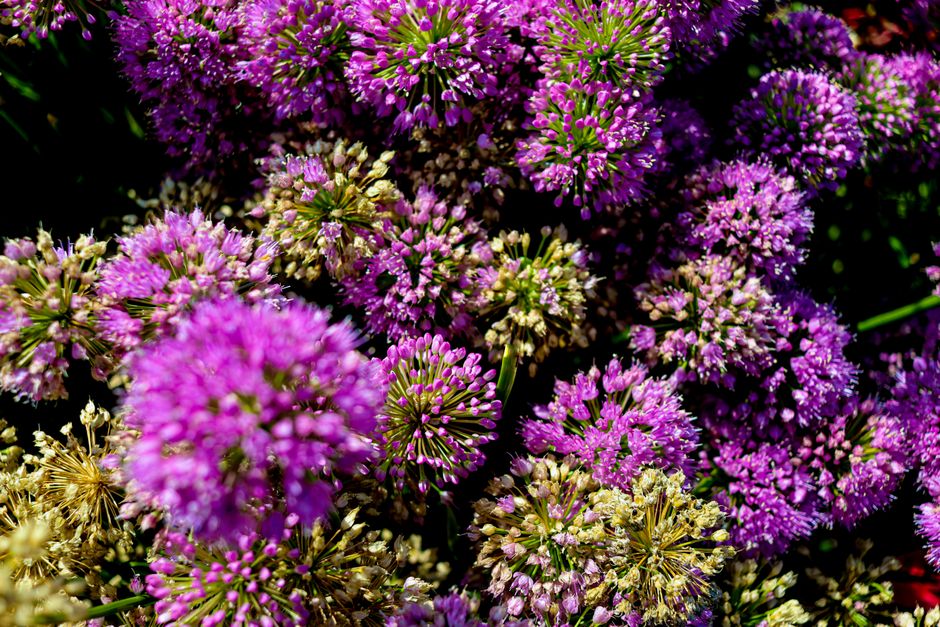
An allium allergy is an immune system reaction to vegetables in the allium family, which includes onions, garlic, leeks, chives, shallots, and scallions. Symptoms range from mild skin irritation and digestive upset to, in rare cases, a severe allergic reaction called anaphylaxis. The condition is uncommon compared to other food allergies, but it can be managed effectively by identifying trigger foods, reading labels carefully, and working with an allergist.
What Is An Allium Allergy Symptoms? Causes And Management
Allium allergy is a true food allergy, meaning the immune system mistakenly treats proteins in allium vegetables as a threat. When you eat or touch these foods, the body releases histamine and other chemicals to fight off what it thinks is an invader. That chemical release causes the symptoms you feel.
This is different from food intolerance. An intolerance, like the digestive discomfort some people get from raw onions, does not involve the immune system. An allergy does. The distinction matters because the risks and the treatment approach are different.
What Are the Most Common Symptoms?
Symptoms typically appear within minutes to a couple of hours after eating or handling allium vegetables. They can range from mild to severe.
- Skin reactions: hives, itching, redness, or eczema-like patches. Contact dermatitis can occur when handling raw garlic or onions directly.
- Digestive symptoms: nausea, stomach cramps, vomiting, or diarrhea.
- Oral allergy symptoms: tingling or itching in the mouth, lips, or throat.
- Respiratory symptoms: sneezing, runny nose, or asthma-like wheezing in some cases.
- Severe reactions: swelling of the face or throat, difficulty breathing, dizziness, or a drop in blood pressure. These signs point to anaphylaxis and require emergency care.
Some people experience symptoms only when eating raw alliums, while cooked forms cause no problem. Cooking changes the proteins, and some people tolerate them once denatured by heat. Others react to all forms, including powdered garlic and onion in processed foods.
What Causes an Allium Allergy?
The cause is an immune system error. Immunoglobulin E (IgE) antibodies target specific proteins found in allium vegetables. When you eat the food again, those antibodies trigger histamine release, producing allergy symptoms.
The specific proteins involved are not fully mapped out. Research has identified several potential allergenic proteins in garlic and onion, but the picture is incomplete. This means that skin prick tests and blood tests may not always detect the allergy reliably.
Cross-reactivity is a real concern. People allergic to one allium often react to others because the proteins are similar across the family. Some people with allium allergy also react to asparagus, which shares certain protein structures. This is not universal, but it is worth knowing if you have a confirmed diagnosis.
A condition called pollen-food syndrome can also cause mouth and throat itching with raw alliums. This happens when the immune system confuses allium proteins with birch pollen proteins. Symptoms are usually mild and limited to the mouth area.



How Is an Allium Allergy Diagnosed?
Diagnosis starts with a detailed history. Your doctor will ask what you ate, when symptoms started, and how quickly they appeared. Keeping a food diary is genuinely useful here.
Allergy testing can help but has limits. Skin prick tests and specific IgE blood tests can support the diagnosis, but false negatives occur. Some people with a clear history of reactions test negative on both. The gold standard is an oral food challenge, where you eat the suspected food under medical supervision. This is done in a clinic with emergency equipment on hand.
If you suspect an allium allergy, do not attempt a food challenge at home. If you have had a severe reaction, the risk is too high.
How Is an Allium Allergy Managed?
Strict avoidance is the primary management strategy. This sounds simple, but alliums hide in many foods.
Garlic and onion powder appear in almost every savory processed food. Soups, sauces, marinades, spice blends, snack foods, and prepared meals commonly contain them. Deli meats and sausages often include garlic powder. Even some salt products contain onion powder.
Reading ingredient labels is essential. In the United States, the Food Allergen Labeling and Consumer Protection Act does not require alliums to be listed as major allergens. Onion and garlic must appear in the ingredient list when used, but they can appear under names like “natural flavoring” or “spices.” This makes avoidance harder than with major allergens like peanuts or milk.
Eating out requires direct communication. Ask the kitchen whether dishes contain garlic or onion in any form. Ask about stocks and broths, which are often onion-based. Ask about cooking surfaces and utensils, because cross-contact is possible.
What About Garlic and Onion Supplements?
Garlic and onion are sold as dietary supplements, often for cardiovascular or immune claims. If you have a confirmed allium allergy, these are not safe. Supplements can contain concentrated allium proteins, and no clinical evidence suggests they are safe for allergic individuals.
The evidence for most allium supplement health claims is modest at best. Some research has looked at garlic for blood pressure and cholesterol, but results are mixed. None of this matters if you are allergic. Avoidance applies to supplements just as it does to food.
Can You Outgrow an Allium Allergy?
Outgrowing a food allergy depends on the food. Allergies to milk, egg, soy, and wheat are often outgrown in childhood. Allergies to peanuts, tree nuts, fish, and shellfish are more likely to persist. Data on allium allergy specifically is limited because the condition is uncommon.
Some people report that their sensitivity changes over time. This is anecdotal. The safest approach is periodic re-evaluation with an allergist, who can determine whether a supervised food challenge is appropriate.
What Should You Do If You Have a Severe Reaction?
Anaphylaxis is a medical emergency. If you develop throat swelling, trouble breathing, dizziness, or vomiting after eating alliums, call emergency services immediately. If you have been prescribed epinephrine, use it right away. Do not wait to see if symptoms improve.
Epinephrine is the first-line treatment for anaphylaxis. Antihistamines do not stop anaphylaxis. They can treat mild itching or hives, but they are not a substitute for epinephrine in a severe reaction.
If you have had a severe reaction, your allergist may prescribe an epinephrine auto-injector. Carry it with you at all times. Make sure family members and close coworkers know how to use it.
Are There Alternative Foods or Cooking Substitutes?
Avoiding alliums does not mean giving up flavor. Several options can replace the savory depth that onion and garlic provide.
- Asafoetida (hing): a spice used in Indian cooking that provides a garlic-onion-like flavor when cooked in oil. It is derived from a different plant family and is generally well tolerated, but check with your allergist first.
- Celery and celery root: provide savory, aromatic notes in soups and stews.
- Fennel: offers a mild, sweet anise flavor that works in many dishes.
- Leeks and chives: not safe if you are allergic to the entire allium family. Only use these if your allergist has confirmed you tolerate them.
- Smoked paprika, cumin, and turmeric: add depth and warmth without allium content.
Experimenting with these substitutes can make avoidance feel less restrictive. Many cuisines, including some regional Indian and Japanese cooking styles, use alliums sparingly or not at all.
What Is the Prognosis for Someone with an Allium Allergy?
Most people with allium allergy manage the condition successfully with avoidance. The condition does not typically worsen over time, though individual experiences vary. For most, the main challenge is not the severity of reactions but the constant vigilance required to avoid hidden sources.
The prognosis depends on the severity of your initial reactions. People with mild symptoms like contact hives may only need to avoid handling raw alliums. People with a history of anaphylaxis face a higher ongoing risk and should carry epinephrine.
Work with an allergist to develop a personalized management plan. This is not a condition to self-manage based on internet research. A specialist can confirm the diagnosis, assess your risk, and guide you on safe foods and emergency preparedness.
Frequently Asked Questions
Can you be allergic to onions but not garlic?
Yes, it is possible, but many people react to both because the proteins are similar. An allergist can help determine which specific alliums trigger your symptoms.
Is an allium allergy the same as an onion intolerance?
No. An allergy involves the immune system and can cause severe reactions. An intolerance causes digestive discomfort but does not involve an immune response.
Can cooking onions or garlic make them safe to eat?
Some people tolerate cooked alliums because heat changes the proteins, but this is not true for everyone. Only a doctor can determine if cooked forms are safe for you.
What should I do if I accidentally eat garlic and have a reaction?
For mild symptoms, an antihistamine may help, but contact a doctor for guidance. If you have trouble breathing, throat swelling, or dizziness, use epinephrine if prescribed and call emergency services immediately.
