
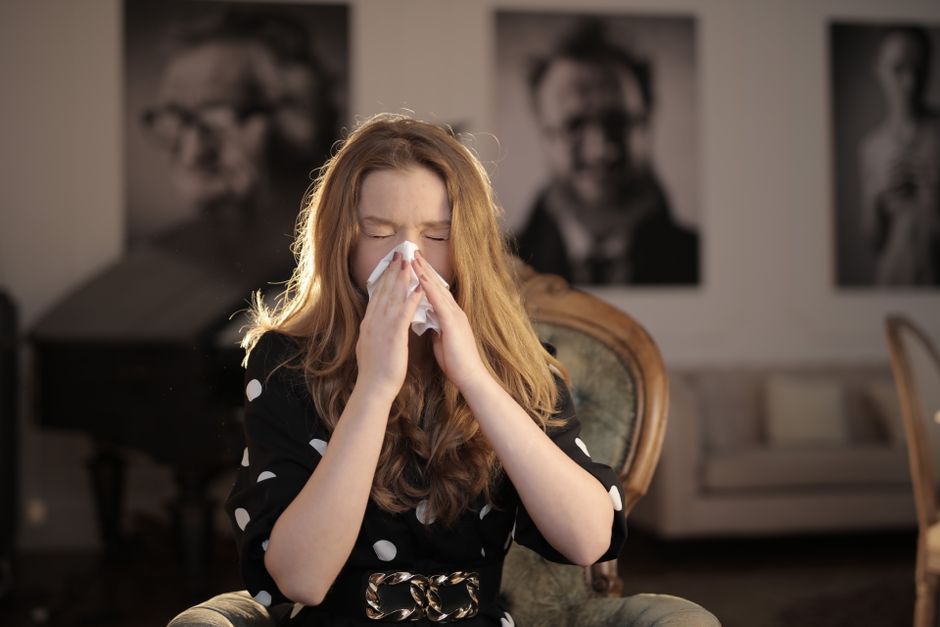
An allergy cough is a dry, persistent cough triggered by your immune system’s response to a substance you are allergic to, such as pollen, dust mites, or pet dander. Unlike a cough from a cold or flu, it is not caused by an infection. Instead, your body releases histamine and other chemicals, which cause inflammation and irritation in your airways, leading to the urge to cough.
This type of cough can be frustrating because it often lasts for weeks or months, especially during allergy season. Understanding the difference between an allergy cough and other types of coughs is the first step toward finding real relief. The symptoms and causes are specific, and recognizing them can help you manage the condition more effectively.
What Is An Allergy Cough Symptoms And Causes
An allergy cough is a reflex action triggered by irritation in the throat and upper airways. When you inhale an allergen, your immune system mistakenly identifies it as a threat. This sets off a chain reaction that leads to inflammation and mucus production, which stimulates the cough reflex.
The cough is typically dry and hacking. It often worsens at night, in the early morning, or during specific activities like cleaning or spending time outdoors. It is a symptom of allergic rhinitis (hay fever) or allergic asthma, not a disease on its own.
What Does an Allergy Cough Feel Like?
Most people describe an allergy cough as a tickle or a scratchy sensation deep in the throat. The cough is usually non-productive, meaning it does not bring up mucus or phlegm. It can be persistent and may come in fits that are hard to stop.
Because the cough stems from inflammation, it often feels like no amount of throat clearing helps. You may also notice that your voice becomes hoarse after prolonged coughing. The sensation is driven by post-nasal drip, where excess mucus from your nasal passages drips down the back of your throat, triggering the cough reflex.
How Are Allergy Cough Symptoms Different From a Cold?
The key difference is the presence of other symptoms. A cold usually comes with a runny nose, body aches, low-grade fever, and fatigue. An allergy cough rarely causes a fever. Instead, it is accompanied by itchy eyes, sneezing, and a clear, watery nasal discharge.
Duration is another clue. A cold typically resolves within 7 to 10 days. An allergy cough persists as long as you are exposed to the allergen, which can be several weeks or months. If a cough lasts longer than three weeks, allergies become a more likely cause than a viral infection.
Timing matters too. Allergy symptoms often appear at the same time each year, such as in spring or fall. Cold symptoms can appear at any time and are more common in winter months.





What Causes an Allergy Cough?
The most common triggers are environmental allergens. These include:
- Pollen from trees, grasses, and weeds
- Dust mites found in bedding, upholstery, and carpets
- Pet dander from cats, dogs, and other furry animals
- Mold spores in damp areas like basements and bathrooms
- Irritants like cigarette smoke, strong perfumes, and air pollution
When you inhale these particles, your immune system releases histamine. Histamine causes blood vessels to dilate and fluid to leak into surrounding tissues. This leads to swelling in the nasal passages and airways, which narrows the space for air to flow. The body responds by coughing to clear the perceived obstruction.
Why Does an Allergy Cough Get Worse at Night?
Nighttime is often the worst time for an allergy cough. Several factors contribute to this. Lying down makes post-nasal drip more noticeable because gravity no longer helps drain mucus forward. The mucus pools at the back of the throat, irritating the cough reflex.
Your bedroom is also a common source of allergens. Dust mites thrive in pillows, mattresses, and blankets. If you are allergic to them, you are constantly exposed while you sleep. Additionally, cortisol levels, which have natural anti-inflammatory effects, drop during the night, which can make allergy symptoms feel more intense.
Can Allergies Cause a Cough That Produces Mucus?
Yes, but it is less common. While the classic allergy cough is dry, some people do cough up clear, thin mucus. This happens when post-nasal drip is heavy. The mucus is usually clear and watery, not thick or yellow.
If the mucus becomes yellow, green, or thick, it may indicate a secondary infection like sinusitis or bronchitis. Sinusitis can develop when allergy-induced swelling blocks the drainage channels of the sinuses, trapping bacteria. If your cough produces discolored mucus, you should consult a healthcare provider.
In people with allergic asthma, the cough may be accompanied by wheezing and shortness of breath. This is a more serious condition that requires proper medical management. It is not the same as a simple throat irritation cough.
How Do You Know If It Is an Allergy Cough or Asthma?
Allergic asthma is a specific condition where allergens trigger asthma symptoms, including coughing. The cough in asthma is often worse with exercise, cold air, or laughter. It is frequently accompanied by chest tightness and a whistling sound when breathing out.
A simple allergy cough without asthma does not cause wheezing or significant breathing difficulty. If you experience shortness of breath, chest pain, or wheezing alongside your cough, you should be evaluated for asthma. Skin prick tests or blood tests for specific IgE antibodies can confirm which allergens are causing your symptoms.
What Are the Best Ways to Relieve an Allergy Cough?
Treatment focuses on two goals: reducing exposure to the allergen and managing the immune response. Avoiding the trigger is the most effective strategy, though it is not always possible. Keeping windows closed during high pollen counts, using HEPA filters, and washing bedding in hot water can reduce allergen levels in your home.
Over-the-counter antihistamines like cetirizine, loratadine, or fexofenadine block histamine receptors and reduce the inflammatory response. These are most effective when taken daily during allergy season rather than only when symptoms appear. Nasal corticosteroid sprays like fluticasone or triamcinolone reduce nasal inflammation and post-nasal drip, which is often the direct cause of the cough.
Decongestants can help dry up nasal passages, but they are not recommended for long-term use. Saline nasal rinses are a drug-free option that physically flushes allergens and excess mucus from the nasal passages. For persistent symptoms, allergen immunotherapy, commonly known as allergy shots or sublingual tablets, can change how your immune system responds over time.
When Should You See a Doctor for an Allergy Cough?
Most allergy coughs can be managed at home with over-the-counter medications and allergen avoidance. However, you should seek medical advice if the cough lasts more than three weeks despite treatment. You should also see a doctor if you have trouble breathing, chest pain, or you are coughing up blood.
A persistent cough can also be a sign of other conditions, including gastroesophageal reflux disease (GERD), chronic sinusitis, or even medication side effects like those from ACE inhibitors used for blood pressure. A doctor can help identify the true cause and recommend appropriate treatment.
If you have a known allergy and your cough is accompanied by wheezing or shortness of breath, do not delay seeking care. Allergic asthma is manageable but requires a proper diagnosis and treatment plan.
Frequently Asked Questions
How long does an allergy cough last?
An allergy cough lasts as long as you are exposed to the allergen, which can be several weeks or months. It typically resolves when the allergen is removed or the season changes.
Can allergies cause a cough without a runny nose?
Yes, a dry cough can be the only symptom of an allergy. Some people experience isolated airway inflammation without the classic nasal symptoms.
Does Benadryl stop an allergy cough?
Benadryl can reduce the cough by blocking histamine, but it may cause drowsiness. Non-drowsy antihistamines like loratadine or cetirizine are often preferred for daytime use.
Is an allergy cough worse in the morning or night?
It is often worse at night due to lying down and increased post-nasal drip. Morning symptoms can also spike because allergens settle in bedding overnight.
