
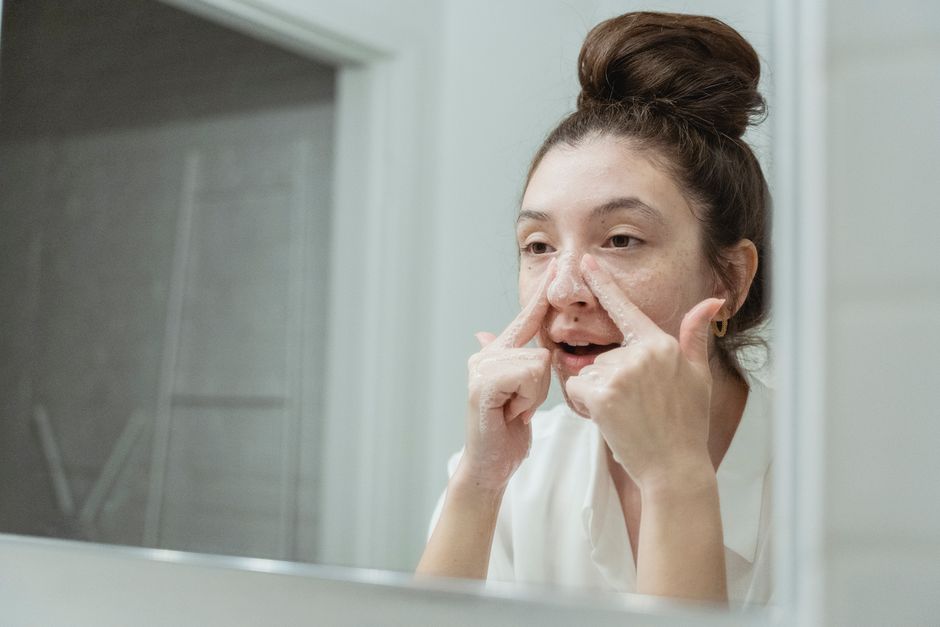
Adapalene gel is a topical retinoid medication used to treat acne. It is a third-generation retinoid, available in the US both by prescription and, in a 0.1% strength, over the counter. Adapalene works by normalizing how skin cells shed inside the hair follicle and by reducing inflammation, which helps prevent the blocked pores that lead to acne lesions.
What Is Adapalene Gel?
Adapalene is a synthetic compound derived from naphthoic acid. It binds to specific retinoic acid receptors in skin cells, similar to how naturally occurring vitamin A derivatives act, but its chemical structure is different from older retinoids like tretinoin.
That structural difference matters. Adapalene is more stable in light than tretinoin, which is one reason it can be formulated in over-the-counter products. It is also generally better tolerated than first-generation retinoids, though “better tolerated” does not mean “no irritation.”
In the US, adapalene gel comes in two regulatory categories. The 0.1% concentration is available without a prescription for people aged 12 and older. Higher strengths, typically 0.3%, require a prescription. The gel is the most common formulation, though adapalene also exists as a cream and a lotion.
How Does Adapalene Gel Work on Acne?
Acne starts with a blocked follicle. Dead skin cells shed faster than normal and clump together with sebum, plugging the pore. Bacteria called Cutibacterium acnes multiply in that environment, and the immune system responds with inflammation — the redness, swelling, and tenderness of a pimple.
Adapalene interrupts the first step. It speeds up and normalizes skin cell turnover so cells are less likely to stick together and block the follicle. By keeping pores clear, it reduces the conditions that let acne form. Adapalene also has direct anti-inflammatory effects in the skin, which is separate from its effect on cell turnover.
This mechanism explains something people often find confusing: adapalene is not a spot treatment. It does not quickly flatten a pimple that already exists. It works by preventing new lesions from forming, which is why it is applied to the whole affected area rather than just to individual spots.
What Is Adapalene Gel Used For?
Adapalene is approved for the treatment of acne vulgaris — the common form of acne that includes blackheads, whiteheads, and inflamed pimples. It is used on the face, and some formulations are also used on the chest and back.
It is effective for both non-inflammatory acne (comedones) and inflammatory acne, though it is often combined with other treatments for inflammatory cases. Benzoyl peroxide and topical antibiotics are common partners. Combining adapalene with benzoyl peroxide is a well-established approach, and some products combine both ingredients in a single gel.
Adapalene is not a treatment for rosacea, eczema, or fungal acne, and using it on those conditions can worsen irritation. It also is not designed for wrinkles or sun damage the way some prescription retinoids are studied for photoaging. Any anti-aging use is outside its approved indication.
Prescription vs Over-the-Counter Adapalene
The active ingredient is the same. What differs is the concentration and the regulatory pathway.
| Feature | OTC adapalene | Prescription adapalene |
|---|---|---|
| Typical strength | 0.1% | 0.1% or 0.3% |
| Availability | No prescription needed (US, age 12+) | Requires a clinician |
| Common forms | Gel, cream, lotion | Gel, cream, lotion |
| Best for | Mild to moderate acne | Moderate acne, or when 0.1% is not enough |
The 0.1% over-the-counter strength has been studied in clinical trials and is considered effective for mild to moderate acne. The 0.3% prescription strength offers a higher dose for people who need more, but it also tends to cause more irritation.
One point worth knowing: the US Food and Drug Administration approved OTC adapalene in 2016, making it the first prescription-strength retinoid available without a prescription in the US. That change made a proven acne ingredient far more accessible, though it also means people use it without a clinician’s guidance on how to start it safely.
How Should Adapalene Gel Be Used?
Adapalene is applied once daily, usually at night, to clean, dry skin. A thin layer over the entire affected area is enough. More product does not work faster and tends to increase irritation.
Starting slowly is standard advice. Some clinicians recommend using it every other night or a few times a week at first, then building up to daily as the skin adjusts. Applying a moisturizer before or after adapalene — sometimes called the “retinoid sandwich” — is a common way to reduce dryness, though it is a comfort strategy rather than a proven way to boost effectiveness.
Because adapalene makes skin more sensitive to sunlight, daily sunscreen is important. It should not be used on broken, sunburned, or eczematous skin. People who are pregnant or planning pregnancy should talk to a clinician before use — see the safety section below.
What Side Effects Should You Expect?
The most common side effects are skin-related and local: dryness, peeling, redness, stinging, and burning at the application site. These are expected effects of how retinoids work, not signs of an allergy, and they usually settle as the skin adjusts.
There is also a predictable early phase some people call “purging.” In the first weeks of use, skin can look worse before it looks better, because adapalene speeds up the surfacing of existing clogged pores. This is different from a true allergic reaction or from irritation caused by using too much product too fast.
True allergic reactions are uncommon but possible. Signs include swelling, severe redness, or blistering, and these warrant stopping use and seeking medical advice. Adapalene is generally well tolerated compared with older retinoids, but individual tolerance varies widely.
How Long Does Adapalene Take to Work?
Adapalene is not fast. Visible improvement typically takes several weeks, and full benefit can take a few months of consistent use. This timeline is one of the most common reasons people give up on it too early.
The early weeks are often the hardest. Dryness and purging can make it feel like the product is not working or is making things worse. Steady, consistent use — rather than stopping and restarting — is what allows the skin to adjust and the acne to improve.
If there is no meaningful improvement after a few months of regular use, that is a reasonable point to talk with a clinician about whether adapalene is the right choice or whether another approach is needed.
Is Adapalene Gel Safe During Pregnancy?
Topical adapalene is a retinoid, and retinoids as a class carry warnings around pregnancy. The evidence for topical adapalene specifically is limited, and the cautious clinical position is to avoid it during pregnancy and breastfeeding unless a clinician advises otherwise.
This is an area where the honest answer is that the data are not strong enough to declare it safe. Systemic absorption of topical adapalene is low, but “low” is not “none,” and the consequences of getting it wrong are serious. Anyone who is pregnant, trying to conceive, or breastfeeding should raise this with their clinician before using adapalene.
No clinical guidelines establish a safe use protocol for adapalene in pregnancy. That absence of guidance is itself the reason for caution.
Adapalene vs Other Retinoids
Adapalene is often compared with tretinoin, the older prescription retinoid. Both treat acne by normalizing cell turnover. Tretinoin has a longer track record and is more extensively studied for photoaging, while adapalene is generally better tolerated and more stable in light.
Which is “better” depends on the goal and the skin. For acne, both are effective, and tolerance often decides the choice. For anti-aging, tretinoin has more evidence behind it, though adapalene is sometimes used off-label for this purpose. The evidence comparing them head-to-head for acne is mixed, and neither is universally superior.
Adapalene is also sometimes confused with isotretinoin, the oral retinoid for severe acne. They are not the same. Isotretinoin is a systemic drug with serious risks and strict monitoring requirements. Adapalene is a topical product with local effects.
Frequently Asked Questions
Can I use adapalene gel every day?
Yes, once daily is the standard use, usually at night. If your skin is sensitive, starting every other night and building up is a common approach.
Does adapalene gel bleach or thin the skin?
No, adapalene does not bleach skin or permanently thin it. It can cause temporary dryness and peeling while the skin adjusts.
Can I use adapalene with benzoyl peroxide?
Yes, combining them is a well-established approach for acne, and some products contain both. Using them together can increase dryness, so introduce them gradually.
Is adapalene safe while breastfeeding?
The cautious clinical position is to avoid it during breastfeeding unless a clinician advises otherwise. The evidence for topical adapalene in breastfeeding is limited, so discuss it with your clinician first.
