
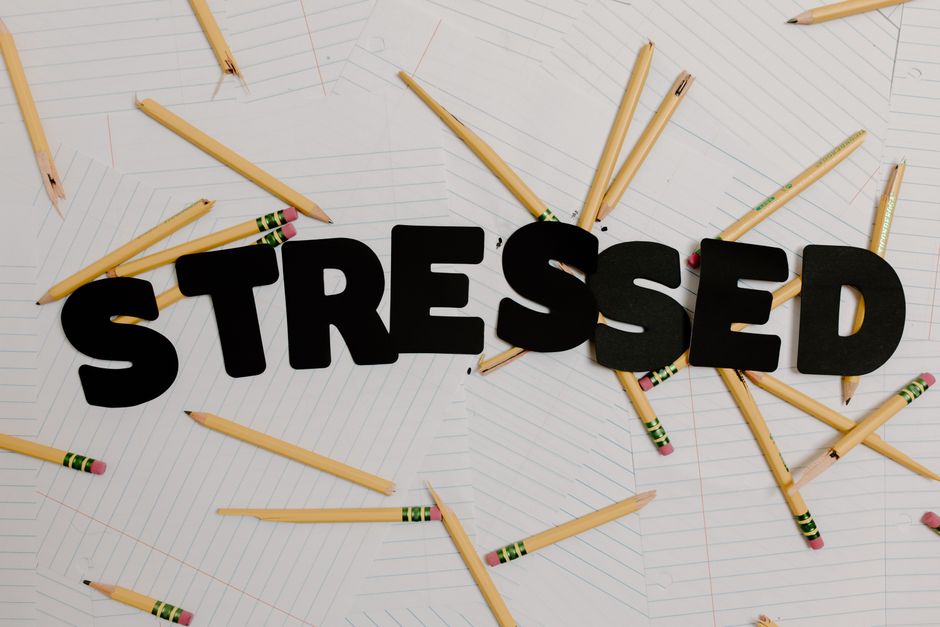
Academic stress is the mental and emotional strain students feel when the demands of school feel heavier than their ability to cope. It comes from grades, deadlines, exams, and the pressure to perform. This article explains what causes it, how it affects the body and mind, and which strategies actually help reduce it.
What Is Academic Stress Causes Effects And What Helps?
Academic stress is a specific type of stress tied to education. It is not laziness or weakness. It is a real physiological response to perceived threats like failing a test or disappointing a parent. When the brain registers this threat, the body releases cortisol and adrenaline. These hormones prepare you to fight or flee.
Short bursts of this response can improve focus. That is why a little nervousness before an exam can sharpen attention. Problems start when the stress does not turn off. Constant deadlines and pressure keep the stress response running for weeks or months. That chronic state is what damages health and learning.
What Causes Academic Stress?
The causes are rarely a single event. Most students face a pile of pressures that build over time.
Heavy workload is the most common trigger. Multiple assignments due the same week, back-to-back exams, and long study hours leave little room for rest. The brain needs downtime to consolidate memory. Without it, learning actually gets worse.
Fear of failure drives much of the distress. Students who tie their self-worth to grades feel every test is a judgment on their value as a person. This perfectionism makes small setbacks feel catastrophic.
High expectations from parents, teachers, or the students themselves add another layer. When the bar is set at straight A’s or top-tier university admission, anything less feels like failure. Some research suggests that pressure from parents specifically predicts higher stress levels in adolescents.
Poor time management is both a cause and a symptom. Many students do not know how to break large projects into smaller steps. They procrastinate, which creates a last-minute panic that makes the work worse and the stress stronger.
Social comparison amplifies everything. Seeing classmates post perfect grades or study schedules online makes students feel behind. This comparison is often distorted, but it still triggers real stress.
Test anxiety deserves special mention. It is a distinct condition where the fear of exams interferes with performance. Students who have it often know the material but blank out during the test. The physical symptoms — sweating, racing heart, nausea — happen before and during the exam.
How Academic Stress Affects the Body
Stress does not stay in the head. It travels through the entire body.
Sleep disruption is one of the first signs. High cortisol levels make it hard to fall asleep and stay asleep. A student who studies late into the night often gets less restorative deep sleep. That makes memory consolidation worse, which increases anxiety about the material, which makes sleep worse. It is a vicious cycle.
Digestive problems are common. Stress changes how the gut moves and how it absorbs nutrients. Some students lose their appetite. Others binge-eat high-sugar comfort foods. Both patterns leave the brain under-fueled exactly when it needs steady glucose.
Headaches and muscle tension appear from prolonged physical stress. The shoulders, neck, and jaw carry much of the body’s tension. Students who sit hunched over laptops for hours make this worse.
Weakened immune function is well documented. Chronic stress suppresses parts of the immune response. This is why students often get sick during finals week or right after a major deadline passes. The body finally crashes when the acute stressor ends.
Cardiovascular strain matters even in young people. Repeated spikes in blood pressure and heart rate put wear on the system. Most students recover once stress drops. But chronic patterns in school can set habits that persist into adulthood.





How Academic Stress Affects the Mind
The psychological effects are just as physical as the bodily ones.
Anxiety is the most direct result. It can be general — a constant low hum of worry — or specific to tests and grades. In severe cases, it becomes a diagnosable anxiety disorder.
Depression is a real risk. Students under chronic academic stress report more depressive symptoms. The hopelessness comes when effort does not seem to produce results. A student who studies hard and still fails begins to believe trying is pointless.
Cognitive function drops under sustained stress. Working memory suffers. Attention wanders. Problem-solving becomes rigid. The student is not imagining this — the prefrontal cortex, which handles complex thinking, is directly impaired by high cortisol levels.
Burnout is the end stage of prolonged academic stress. It includes emotional exhaustion, cynicism about school, and a feeling of reduced accomplishment. Burnout is not just being tired. It is a state where the student has no emotional fuel left to engage with learning.
Some students turn to unhealthy coping methods. Energy drinks, stimulant misuse, alcohol, or self-isolation can feel like solutions. They all make the underlying problem worse.
What Actually Helps Reduce Academic Stress
Not every popular stress-relief tip works. Some are marketing noise. The strategies below have the strongest evidence behind them.
Sleep is the foundation. No study technique, supplement, or app can compensate for chronic sleep loss. Most adults need 7-9 hours per night. Teenagers often need 8-10. Protecting sleep time is not laziness — it is the most effective cognitive enhancement available. Consistent sleep and wake times matter more than total hours alone.
Physical movement directly lowers stress hormones. Exercise burns off the adrenaline and cortisol that build up during stressful periods. It also triggers endorphin release, which improves mood. A 20-minute walk between study sessions can reset focus better than scrolling on a phone.
Structured study methods reduce the chaos that feeds stress. Breaking large tasks into small, specific actions helps. Instead of “study for biology,” the task becomes “review chapter 4 flashcards for 25 minutes.” This approach, sometimes called chunking, makes the work feel manageable.
Active recall is a learning technique with strong evidence. Instead of rereading notes, students test themselves on the material. This is harder in the moment but produces better retention. The difficulty itself is a sign the brain is building stronger memory pathways.
Scheduled breaks are not optional. The brain has limited attention capacity. Working for 25-50 minutes followed by a short break is more effective than marathon sessions. During breaks, the brain consolidates what was just learned. Skipping breaks means losing that consolidation time.
Mindfulness and breathing exercises have solid evidence for reducing stress. These techniques activate the parasympathetic nervous system, which counteracts the stress response. A simple practice is slow breathing — inhale for four counts, exhale for six. Doing this for a few minutes before an exam can lower physical symptoms of anxiety.
Social connection is a biological stress buffer. Talking to friends, family, or classmates releases oxytocin, which counteracts cortisol. Isolation makes stress worse. Even a brief conversation with someone who listens can lower perceived stress levels.
When Academic Stress Needs Professional Help
Some stress is manageable with lifestyle changes. Some is not. Knowing the difference matters.
Signs that professional help is needed include:
- Sleep problems lasting more than two weeks despite good sleep habits
- Loss of interest in activities that used to bring pleasure
- Withdrawal from friends and family
- Panic attacks — sudden episodes of intense fear with physical symptoms
- Thoughts of self-harm or suicide
- Inability to eat or dramatic weight changes
- Stress that interferes with basic daily functioning
These symptoms warrant a conversation with a doctor, school counselor, or mental health professional. Therapy approaches like cognitive behavioral therapy have strong evidence for treating anxiety and stress-related conditions. Some students benefit from medication, evaluated by a psychiatrist or primary care provider.
If you or someone you know is having thoughts of self-harm, contact a crisis line immediately. In the US, call or text 988 to reach the Suicide and Crisis Lifeline. This is a free, confidential service available 24/7.
Schools increasingly offer counseling services. Many colleges have wellness centers with low-cost or free mental health support. Asking for help is not a sign of weakness. It is a practical step, like seeing a doctor for a broken bone.
The Role of Parents and Schools
Stress does not exist in a vacuum. The environment around the student matters enormously.
Parents who emphasize effort over grades reduce stress. When the message is “I care about how you learn, not just your report card,” students feel safer taking intellectual risks. Research consistently shows that this kind of support predicts better academic outcomes and lower stress.
Schools that pile on homework without considering the total load across classes create unnecessary stress. Some institutions have moved to homework-free weekends or later school start times based on evidence about sleep and learning. These changes help, but not every school has adopted them.
Students can advocate for themselves. Asking teachers for deadline extensions when genuinely overwhelmed is reasonable. Most educators prefer a student who communicates early over one who disappears and fails.
Frequently Asked Questions
Can academic stress cause physical illness?
Yes. Chronic stress suppresses immune function, which makes students more vulnerable to colds and infections. It also contributes to headaches, digestive problems, and sleep disorders.
How much sleep do students need to manage stress?
Teenagers need 8-10 hours per night and most adults need 7-9 hours. Protecting consistent sleep is one of the most effective stress management tools available.
Is test anxiety a real condition?
Yes. Test anxiety is a recognized condition where physical and emotional symptoms interfere with exam performance. It is treatable through therapy, relaxation techniques, and improved study strategies.
When should a student seek professional help for academic stress?
Seek help when stress interferes with daily functioning, causes persistent sleep problems, or leads to withdrawal from normal activities. Thoughts of self-harm require immediate crisis support — call or text 988 in the US.
