

A virgin pregnancy means a pregnancy that occurs without vaginal intercourse. The short answer is yes, it can happen — but not the way most people imagine. Pregnancy requires sperm to meet an egg. Whether that meeting happens through intercourse, assisted reproduction, or a rare set of circumstances involving sperm outside the vagina, the biology is the same. What pregnancy does not require is intercourse itself.
The phrase gets used in two very different ways. One is medical and factual. The other is cultural and often misleading. Separating them matters, because confusion here can lead to real mistakes about how pregnancy works and how to prevent or achieve it.
What Is A Virgin Pregnancy And Can It Really Happen?
Pregnancy without intercourse is possible, and it has been documented in medical literature. The key point is that virginity and fertility are not biologically connected. The hymen — the thin tissue at the vaginal opening — does not block sperm, and it does not determine whether a person can become pregnant.
For pregnancy to occur, three things are needed: a viable egg, viable sperm, and a way for the sperm to reach the egg. Intercourse is one route. It is not the only route.
Cases involving sperm exposure near the vaginal opening, without penetration, have been reported. These are uncommon. They depend on specific conditions being met at the same time. Understanding those conditions is more useful than debating labels.
The Biology Does Not Care About Virginity
Virginity is a social concept, not a medical one. There is no physical state called virginity that a doctor can confirm or measure. The hymen can stretch, tear, or remain intact for reasons that have nothing to do with sex — sports, tampon use, or normal development.
What matters for pregnancy is whether sperm reached an egg during the fertile window of the menstrual cycle. That is a biological event. It can happen with or without intercourse.
How Can Pregnancy Happen Without Intercourse?
Sperm are motile cells. When ejaculate is deposited near the vaginal opening, sperm can potentially travel into the vagina and through the cervix. Cervical mucus changes throughout the cycle, and around ovulation it becomes thinner and more receptive to sperm movement.
This is why “we didn’t actually have sex” is not a reliable form of contraception. The margin between external contact and vaginal exposure can be small, and sperm can be present in pre-ejaculate fluid in some men.
Routes That Can Lead to Pregnancy Without Intercourse
- Genital-to-genital contact where ejaculate or pre-ejaculate reaches the vaginal opening, sometimes called “splash pregnancy” in informal discussions
- Assisted reproduction including intrauterine insemination and in vitro fertilization, where sperm or embryos are placed directly
- Sperm transfer by hand or object that carries fresh semen to the vaginal area
- Incomplete or interrupted intercourse where penetration is brief or ejaculation occurs at the opening
Of these, assisted reproduction is by far the most common and the most reliably documented. The others are possible but depend on timing, sperm quality, and proximity.
One detail worth knowing: sperm survival outside the body is limited. Once semen dries or is exposed to air and room temperature, sperm lose motility quickly. This is why indirect exposure — like a shared towel or toilet seat — is not a realistic route to pregnancy.
Can You Get Pregnant From Sperm on Fingers or Objects?
This is one of the most common questions, and the honest answer is that it is possible in theory but rare in practice. The conditions have to line up.
For pregnancy to result from manual contact, fresh semen containing motile sperm would need to be introduced to the vaginal opening or inside the vagina shortly after ejaculation. If the semen has dried, or if the sperm have lost motility, the chance drops sharply.
Objects like toilet seats, bathtubs, and swimming pools are not routes to pregnancy. Sperm do not survive in chlorinated water, and they cannot travel from a surface into the body on their own.
The practical takeaway is this: the risk is not zero after direct genital contact with fresh semen, but it is not the same as intercourse. Many people overestimate indirect exposure and underestimate direct contact.




What About “Immortal” or Religious Virgin Births?
The term “virgin pregnancy” also appears in religious and cultural contexts. These are not medical claims, and they should not be confused with the biological question of whether pregnancy can occur without intercourse.
From a medical standpoint, there is no evidence that a human pregnancy can begin without sperm. Parthenogenesis — development of an embryo from an unfertilized egg — occurs in some animals, including certain reptiles, fish, and insects. It has not been confirmed in humans.
Some reported cases in popular media have involved confusion about what counts as intercourse, incomplete reporting, or assisted reproduction that was not disclosed. When these cases are examined closely, a sperm source is usually identified.
Why This Distinction Matters
Mixing religious narrative with biology creates confusion. A person who believes pregnancy is impossible without intercourse may take risks they would otherwise avoid. A person who believes pregnancy is possible from a toilet seat may carry unnecessary fear.
Both errors come from the same place: not understanding that the only requirement is sperm reaching an egg.
Does Virginity Affect Fertility?
No. There is no biological link between virginity and the ability to conceive. A person who has never had intercourse can have a normal menstrual cycle, ovulate regularly, and be fully fertile.
Fertility depends on hormones, egg quality, sperm quality, and reproductive anatomy. None of these are changed by whether someone has had sex.
This is why fertility testing and treatment do not require a sexual history in the way people sometimes assume. A doctor assesses ovulation, hormone levels, and anatomy — not virginity status.
How Reliable Is “Pulling Out” or Avoiding Intercourse?
Withdrawal, sometimes called the pull-out method, is not a reliable form of birth control. Pre-ejaculate fluid can contain sperm, and timing is difficult to control. Typical use leads to pregnancy more often than most people expect.
Avoiding intercourse entirely does prevent pregnancy from intercourse. But it does not prevent pregnancy from other forms of genital contact involving fresh semen.
If preventing pregnancy is the goal, the most reliable approaches are those with strong evidence behind them: hormonal contraception, intrauterine devices, condoms used correctly, and sterilization. Each has different effectiveness rates and side effect profiles, and a clinician can help match the choice to the person.
If achieving pregnancy is the goal, understanding the fertile window matters more than any label about virginity. Ovulation typically occurs about midway through the cycle, and the days just before and during ovulation are when conception is most likely.
What Should You Do If You Think It Happened?
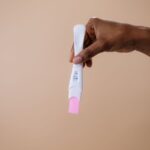
If there was genital contact involving fresh semen and pregnancy is a concern, a home pregnancy test can detect pregnancy around the time of a missed period. Testing too early can give a false negative because it takes time for the hormone hCG to build up.
If the test is positive and the situation is unexpected, a healthcare provider can confirm the pregnancy and discuss options. If the test is negative but a period is still late, retesting in a few days is reasonable.
There is no shame in asking a doctor about this. Clinicians have heard these questions before, and the biology is straightforward. The goal is accurate information, not judgment.
Frequently Asked Questions
Can you get pregnant without penetration?
Yes, it is possible if fresh semen reaches the vaginal opening and sperm travel into the vagina. This is uncommon but has been documented, and it depends on timing and sperm viability.
Can sperm on a toilet seat or in a pool cause pregnancy?
No. Sperm do not survive long outside the body, and they cannot travel from a surface or water into the vagina on their own.
Does being a virgin mean you cannot get pregnant?
No. Virginity is a social concept, not a biological one, and it has no effect on fertility. Pregnancy depends on sperm reaching an egg, not on whether intercourse occurred.
How soon can you take a pregnancy test after possible exposure?
Most home tests are most accurate around the time of a missed period, because it takes time for hCG levels to rise enough to be detected. Testing earlier can produce a false negative.
