
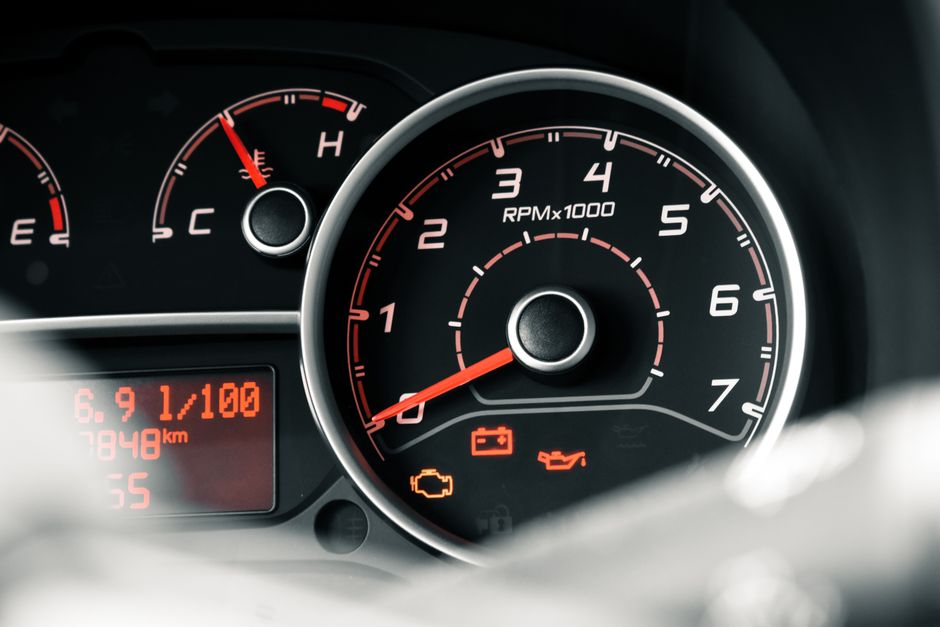
A vehicle speed sensor is a small electronic component that measures how fast your car’s wheels or transmission are turning and sends that information to the engine computer and other systems. Your car uses that speed signal for far more than the speedometer. It feeds the transmission’s shifting decisions, the anti-lock brakes, cruise control, and the odometer. When the sensor fails, several systems can misbehave at once, which is why a speed sensor problem often shows up as a strange cluster of symptoms rather than one clear warning.
What Is A Vehicle Speed Sensor And What Does It Do?
A vehicle speed sensor, often called a VSS, is a device that converts wheel or shaft rotation into an electrical signal the car’s computers can read. The engine control unit and transmission control unit use that signal to know how fast the vehicle is moving at any moment.
There are two common types. A magnetic (inductive) sensor uses a spinning toothed ring and a coil to generate a voltage that rises and falls with speed. A Hall-effect sensor uses a semiconductor and a magnetic field to produce a clean digital pulse. Many modern cars use wheel speed sensors at each wheel for anti-lock braking and stability control, and a separate output shaft sensor on the transmission for shift timing.
The signal does several jobs. It tells the speedometer what to display. It tells the transmission when to shift. It lets cruise control hold a steady speed. It feeds the odometer and trip meter. On many vehicles it also informs the anti-lock brake and traction control systems. One sensor’s output can ripple through all of these.
Where Is The Vehicle Speed Sensor Located?
Location depends on the design. On older vehicles, the VSS is often mounted on the transmission or transaxle, near the output shaft, and reads the rotation of a gear inside. On many newer cars, speed information comes from wheel speed sensors at each wheel hub, and there may be no single dedicated “vehicle speed sensor” at all.
Some vehicles also use a sensor on the differential or a vehicle speed sensor on the back of the instrument cluster. Because layouts vary so much between makes and models, the exact position is best confirmed with the service information for your specific vehicle. Guessing can lead to replacing the wrong part.
What Are The Symptoms Of A Bad Speed Sensor?
A failing speed sensor usually produces a recognizable pattern of symptoms. Because the signal feeds multiple systems, the warning signs often cluster together.
- A speedometer that reads zero, jumps around, or shows the wrong speed.
- The check engine light or a transmission warning light comes on.
- Harsh, delayed, or erratic gear shifts.
- Cruise control that will not engage or drops out on its own.
- The anti-lock brake or traction control light illuminates.
- An odometer that stops counting or counts incorrectly.
- On some vehicles, the engine may stumble or stall at low speed.
These symptoms are not unique to a speed sensor. A failing transmission, a wiring fault, or a bad wheel speed sensor can produce similar signs. That overlap is why a proper diagnostic scan matters more than symptom-matching alone.
What Causes A Speed Sensor To Fail?
Speed sensors are exposed to heat, vibration, road debris, and electrical stress, so failures are not unusual as vehicles age. The most common causes include:
- Wear and contamination. Metal shavings or dirt can coat the sensor tip and interfere with the magnetic signal.
- Damaged wiring. Cracked insulation, corroded connectors, or broken wires interrupt the signal.
- Failed sensor electronics. The internal coil or Hall-effect element can simply wear out.
- Damaged tone ring. The toothed wheel the sensor reads can crack or lose teeth.
Sometimes the sensor is fine and the problem is the wiring or connector. A technician who replaces the sensor without checking the circuit can chase the same fault twice.
How Is A Bad Speed Sensor Diagnosed?
Diagnosis starts with a scan tool that reads the car’s stored trouble codes. A code pointing to the vehicle speed sensor or a related circuit narrows the search, but a code is a starting point, not a final answer. It tells you which circuit the computer flagged, not always which part failed.
A technician will typically check the sensor’s electrical signal, inspect the wiring and connectors, and look at live speed data while the car is moving. Comparing the speed reading from the sensor against actual road speed helps confirm whether the sensor is reporting correctly. Physical inspection of the sensor tip and the tone ring can reveal contamination or damage that a scan alone would miss.
Can You Drive With A Bad Speed Sensor?
You can often drive, but it is not ideal. The vehicle may run and move, yet the transmission may shift poorly, the anti-lock brakes may be disabled, and the speedometer may be wrong. Those are safety-relevant systems.
A wrong or missing speed signal can affect how the transmission shifts and, on some vehicles, how the engine runs. Driving with a known fault risks further damage to the transmission over time and reduces the safety systems available to you. The cautious approach is to have it diagnosed promptly rather than defer it indefinitely.
How Much Does It Cost To Replace A Speed Sensor?
Replacement cost varies widely by vehicle and by which sensor has failed. A single wheel speed sensor on a common car is generally one of the less expensive repairs, while a transmission-mounted sensor on a vehicle with difficult access can cost more because of labor.
Part prices differ by make and model, and labor depends on location and accessibility. Rather than quote a figure that may not apply to your car, ask for an estimate specific to your vehicle. The diagnostic fee itself is often separate from the repair.
Can You Replace A Speed Sensor Yourself?
On some vehicles, yes. A wheel speed sensor or an easily reached transmission sensor can be a straightforward job for someone comfortable with basic car repair. The part usually unbolts or unclips, and the connector unplugs.
On other vehicles, the sensor is buried behind components that require significant disassembly. The job also requires clearing codes and confirming the fix with a scan tool. If you are not confident with electrical connectors and diagnostic tools, a professional repair is the safer choice. Replacing the wrong part wastes money and does not solve the problem.
How Long Do Speed Sensors Last?
There is no fixed service life. Speed sensors often last the life of the vehicle, but heat, vibration, contamination, and electrical wear cause some to fail earlier. Because durability depends so much on the vehicle and conditions, no reliable replacement interval exists, and sensors are generally replaced when they fail rather than on a schedule.
Keeping connectors clean and addressing warning lights early can help you catch a failing sensor before it affects other systems. Beyond that, there is no routine maintenance that reliably prevents sensor failure.
Why The Speed Signal Matters More Than You Might Think
Many drivers assume the speed sensor only runs the speedometer. In reality, the speed signal is one of the inputs the car’s computers rely on to coordinate shifting, braking assistance, and stability control. A single faulty signal can make several systems act up at once, which is why the symptoms can seem unrelated to each other.
That interconnected role is also why an accurate diagnosis matters. Replacing a sensor on a hunch can miss a wiring fault or a second failing sensor. The signal is small, but the systems depending on it are not.
Frequently Asked Questions
What happens when a vehicle speed sensor goes bad?
The speedometer may read wrong or stop working, the transmission may shift harshly, and warning lights for the engine, transmission, or anti-lock brakes may come on. Cruise control may also stop working.
Can a bad speed sensor cause transmission problems?
Yes. The transmission control unit uses the speed signal to decide when to shift, so a faulty signal can cause delayed, harsh, or erratic shifting. Persistent poor shifting can put extra wear on the transmission over time.
How do I know if my speed sensor or my wiring is the problem?
You usually cannot tell from symptoms alone, because both produce similar warning lights and behavior. A technician checks the sensor’s signal and inspects the wiring and connectors to isolate the actual fault.
Is it safe to drive with a bad speed sensor?
You can often drive, but anti-lock brakes, traction control, or cruise control may be disabled, and the transmission may shift poorly. Because these are safety-related systems, prompt diagnosis is the safer choice.
